

Home › Destinations › Upper Egypt › Sohag
Monastic Heritage · Upper Egypt
Sohag
Home to some of Egypt’s most remarkable early Christian monasteries, Sohag offers a fascinating journey into the history of Coptic monasticism, sacred art, and religious architecture.
Approx. 1,600
Years old
About this attraction
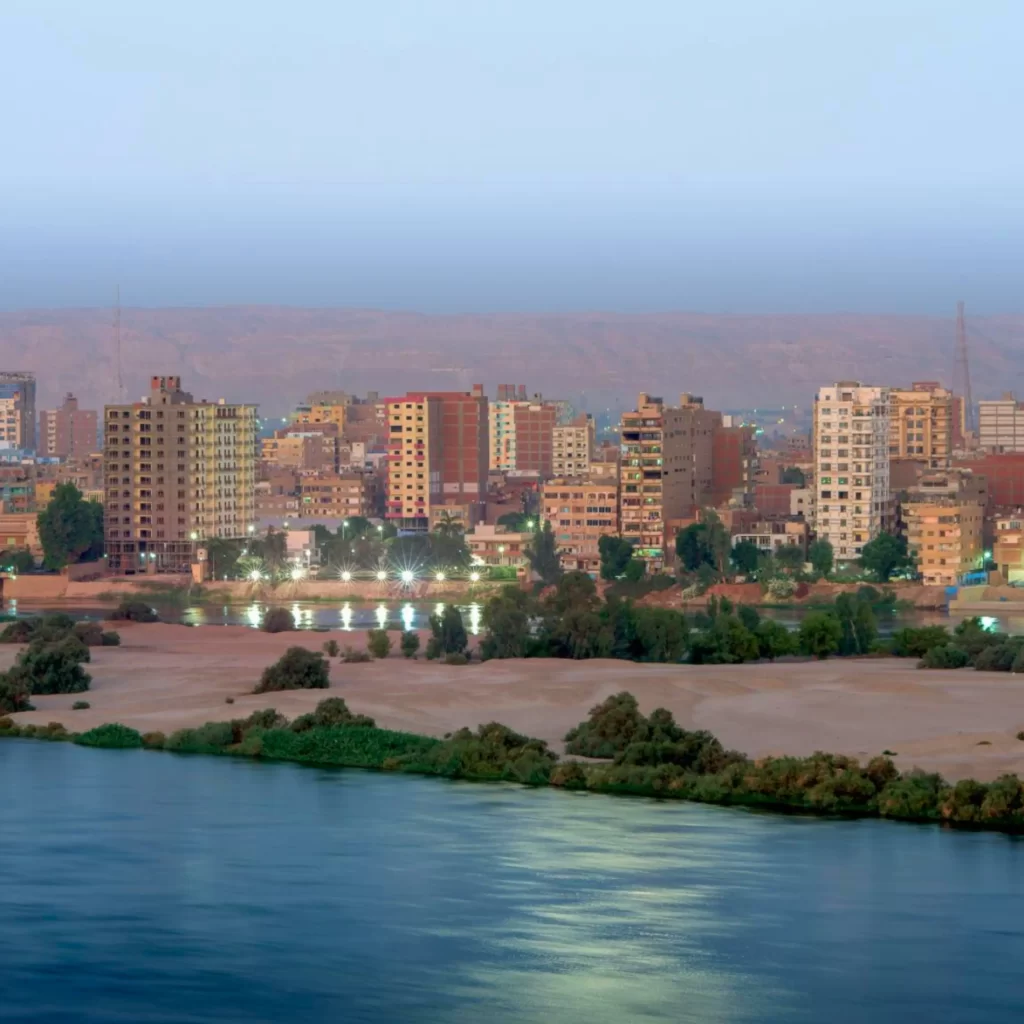
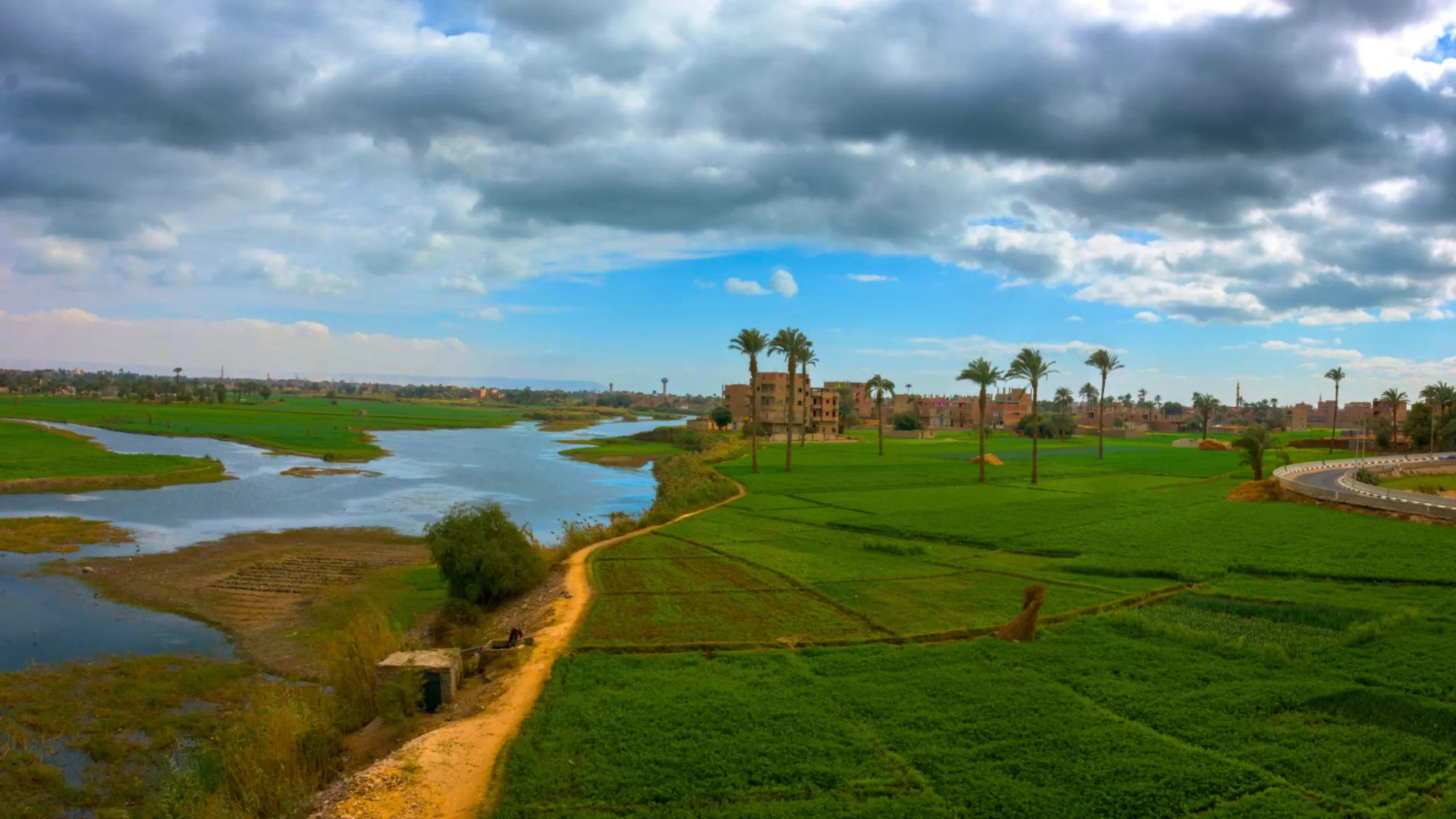
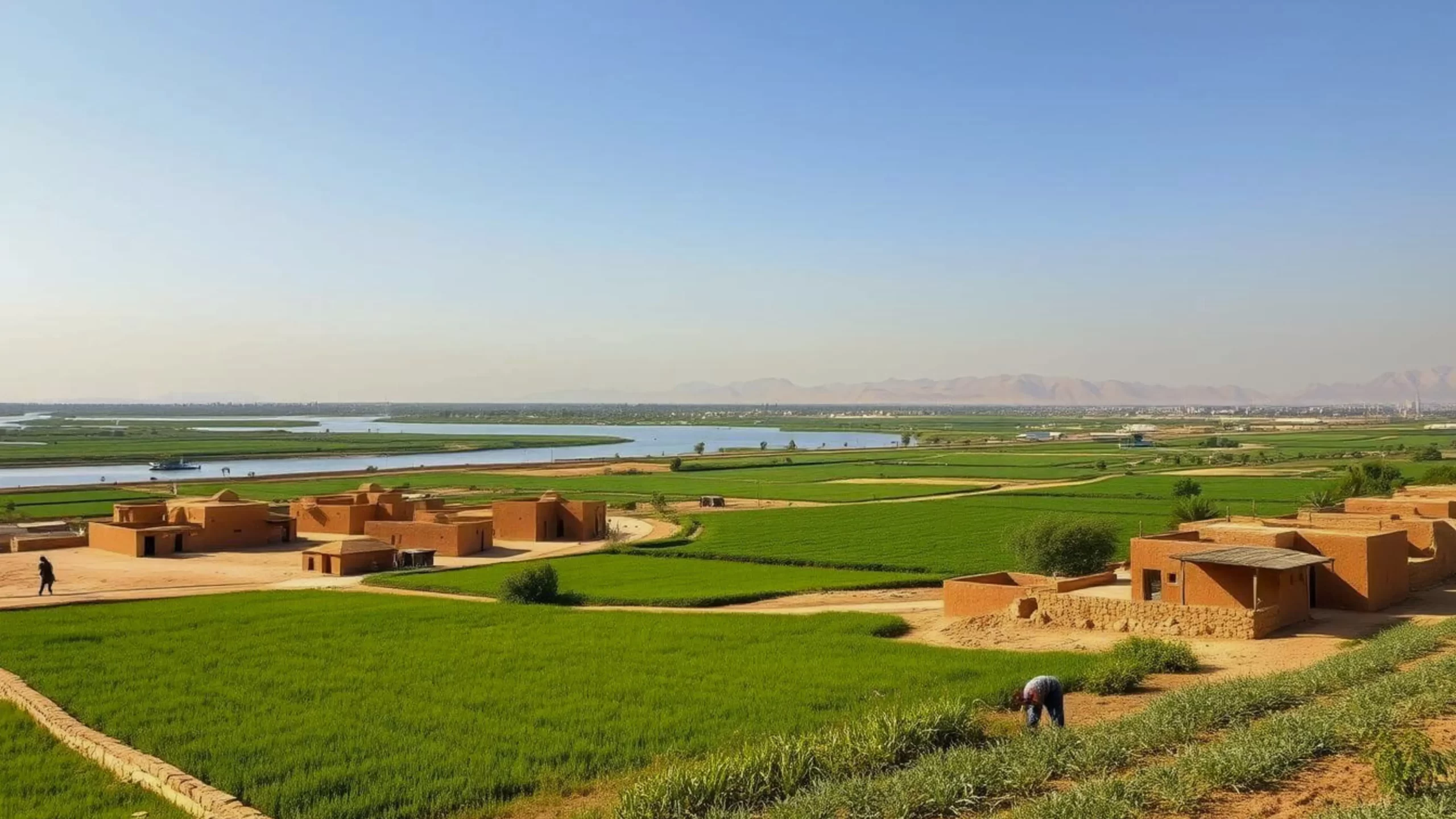
Located on the west bank of the Nile, Sohag is one of Egypt’s most important centers of early Christianity. The region is renowned for its historic monasteries, particularly the White Monastery of Saint Shenouta and the Red Monastery, both of which played a significant role in the development of Christian monastic life in Egypt.
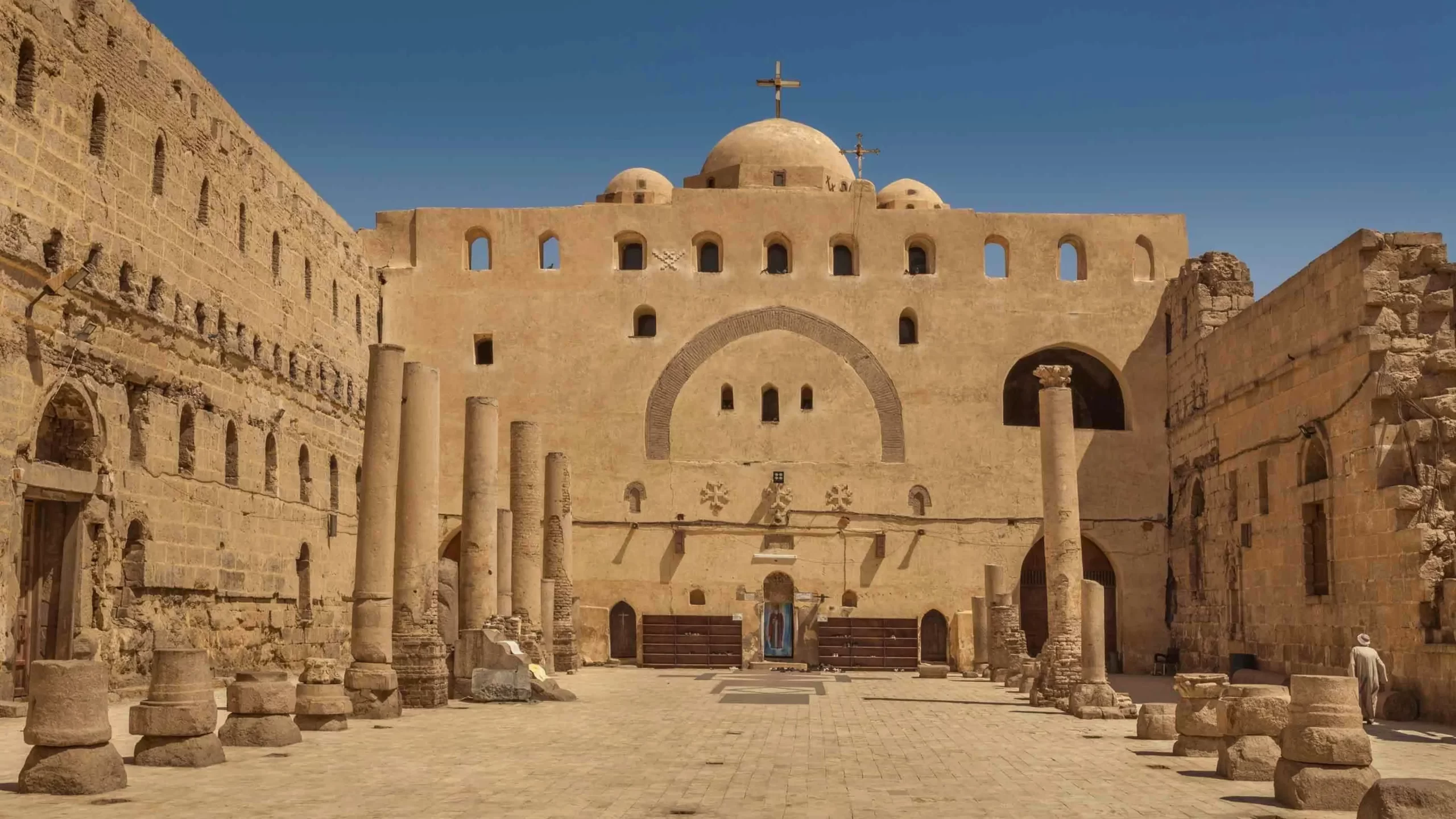
White Monastery of Saint Shenouta
The White Monastery takes its name from the white limestone used in its exterior walls. It was the center of a large monastic federation led by Saint Shenouta the Archimandrite, one of the most influential figures in the history of the Coptic Church.
Built during the 5th century AD, the monastery became a major center of religious scholarship and spiritual life. Saint Shenouta was one of the first prolific writers in the Coptic language, and his writings provide valuable insights into daily life and monastic traditions in Byzantine Egypt.
Although much of the monastery fell into ruin over the centuries, its church survives and still displays remarkable architectural features. Visitors can admire ancient columns, decorative capitals, surviving frescoes, and inscriptions dating back to the 12th century, which reveal the presence of Armenian pilgrims and monks.
The Red Monastery
One of the most important surviving monuments of early Christianity in Egypt, the Red Monastery dates to the 5th century AD and remains an active church today.
The monastery gets its name from the red brick used throughout much of its construction, complemented by white limestone walls and granite columns. Founded by Saint Bishoy, the monastery endured fires, invasions, and centuries of neglect before undergoing extensive restoration.
Between 2004 and 2014, a major international conservation project restored the church’s extraordinary wall paintings, many of which date from the 6th to 8th centuries AD. Today, visitors can experience one of the most beautifully preserved painted sanctuaries from Byzantine Egypt, with vivid colors and intricate decorative schemes that have been brought back to life.
The restored church provides a rare glimpse into the artistic and spiritual world of Egypt’s early Christian communities.
White Monastery
A monumental limestone monastery associated with Saint Shenouta, one of the most influential figures in Coptic history.
Red Monastery Paintings
Exceptionally preserved Byzantine wall paintings dating back over 1,300 years.
Early Christian Heritage
Explore two of the most significant monastic sites from the formative centuries of Christianity in Egypt.
“The monasteries of Sohag preserve some of the finest surviving examples of early Christian architecture and painting in Egypt, offering visitors an extraordinary window into the spiritual and artistic traditions of Late Antiquity.”
— Historical context note for guides
Visitor tips
Allow at least half a day to comfortably visit both monasteries.
Dress modestly as both sites are active religious institutions.
Photography may be restricted in certain areas; check with your guide before taking photos.
Bring water and sun protection, particularly during summer months.
Early morning visits offer cooler temperatures and better lighting for photography.
Visit Information
Hours: Generally 8:00 – 16:00
Entry Fees: Vary according to current regulations
Best Time: October – April
Duration: 3–4 Hours Average
Access: Mostly Flat
Discover Egypt's Christian Heritage
Combine Sohag with visits to Abydos, Assiut, and other important Coptic heritage sites for a deeper understanding of Egypt’s rich religious history.
Nearby attractions
Abydos Temple
Osiris · Sacred Pilgrimage Site
85 km north
Akhmim
Ancient Capital · Textile Heritage
10 km east
El Hawawish Necropolis
Rock-cut Tombs · Ancient Egypt
15 km north
Assiut Monasteries
Coptic Heritage · Desert Monasticism