

Home › Destinations › Cairo Region › Saqqara
Necropolis · Ancient Egypt
Saqqara
The vast necropolis of ancient Memphis and home to Egypt’s first pyramid. Saqqara preserves more than 4,500 years of history, from the earliest dynasties to the Coptic era.
Approx. 4,700
Years old
About this attraction
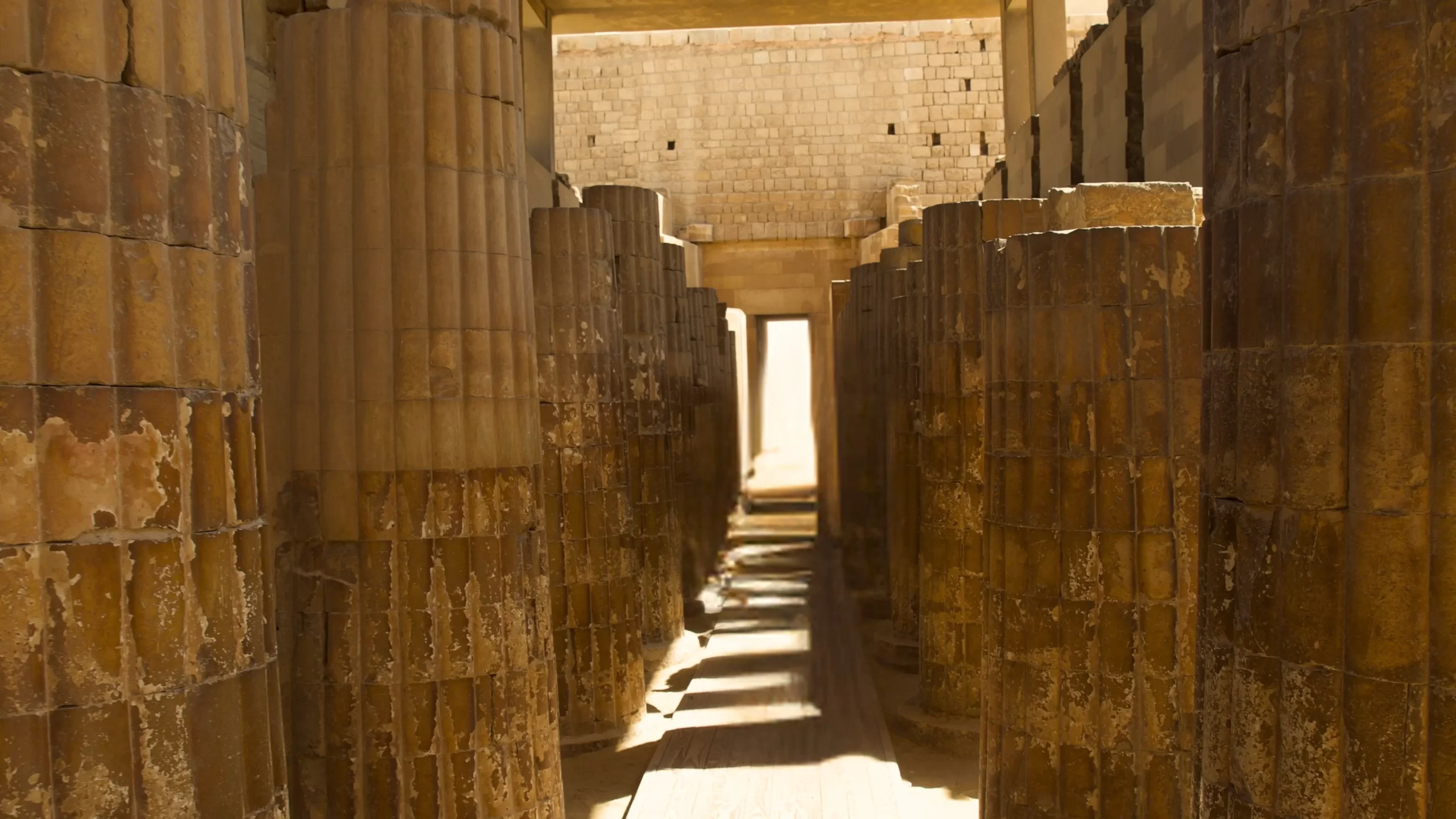
Saqqara is one of Egypt’s most important archaeological sites and the principal necropolis of ancient Memphis, the first capital of unified Egypt. Located approximately 30 km (19 miles) south of Cairo, the site extends over 7 km (4.4 miles) along the western bank of the Nile and continues to reveal new discoveries through ongoing excavations.
The history of Saqqara spans more than four millennia, from the First Dynasty around 3050 BC through the Coptic period in the 6th century AD. Pharaohs, nobles, priests, officials, and even sacred animals were buried here, creating one of the largest and most significant burial grounds in the ancient world.
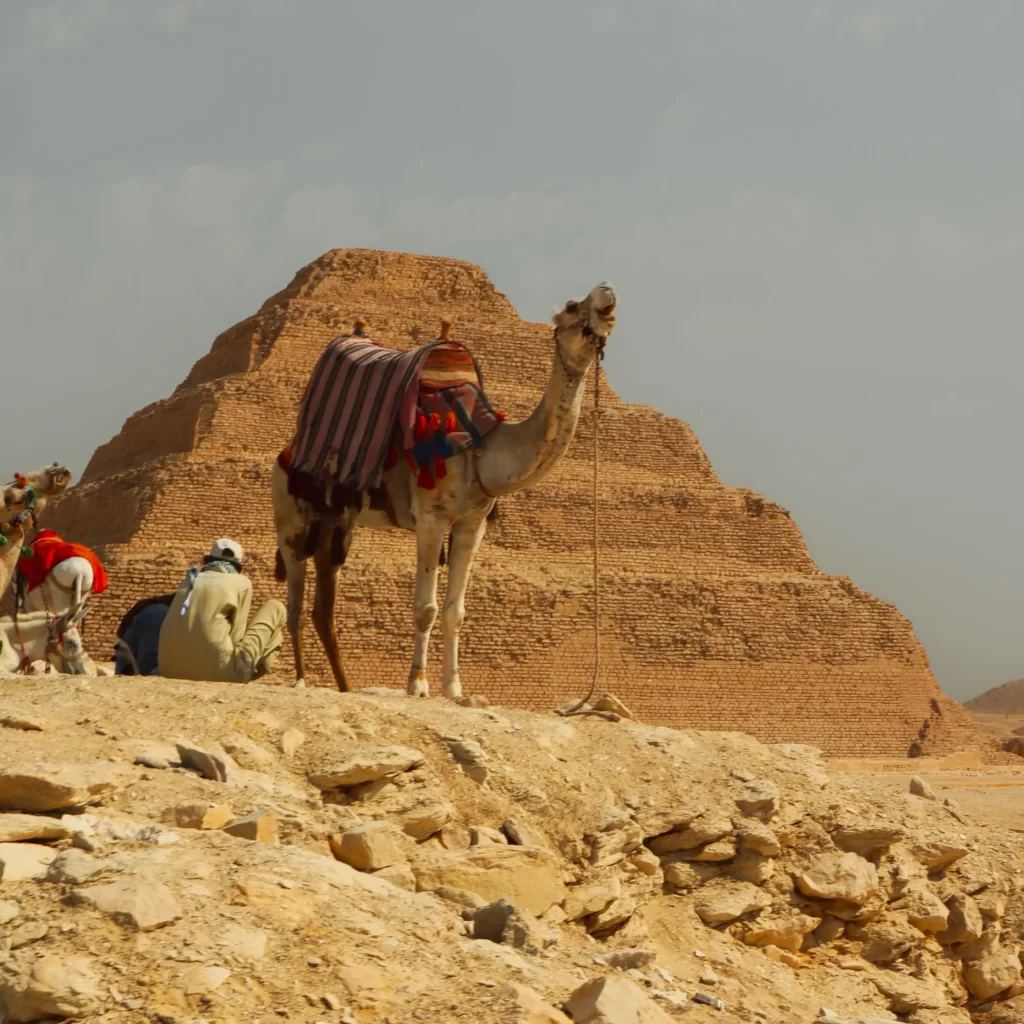
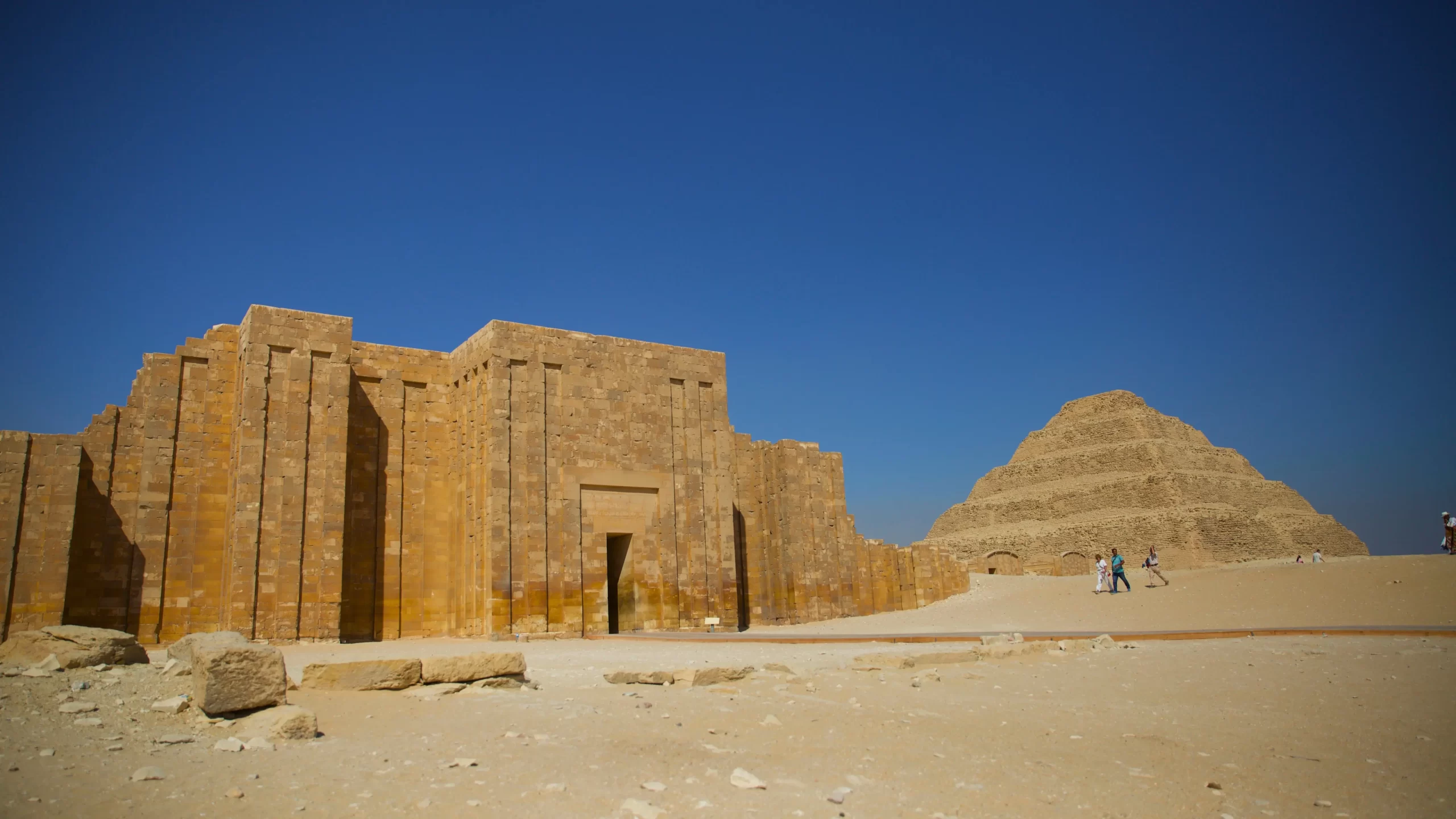
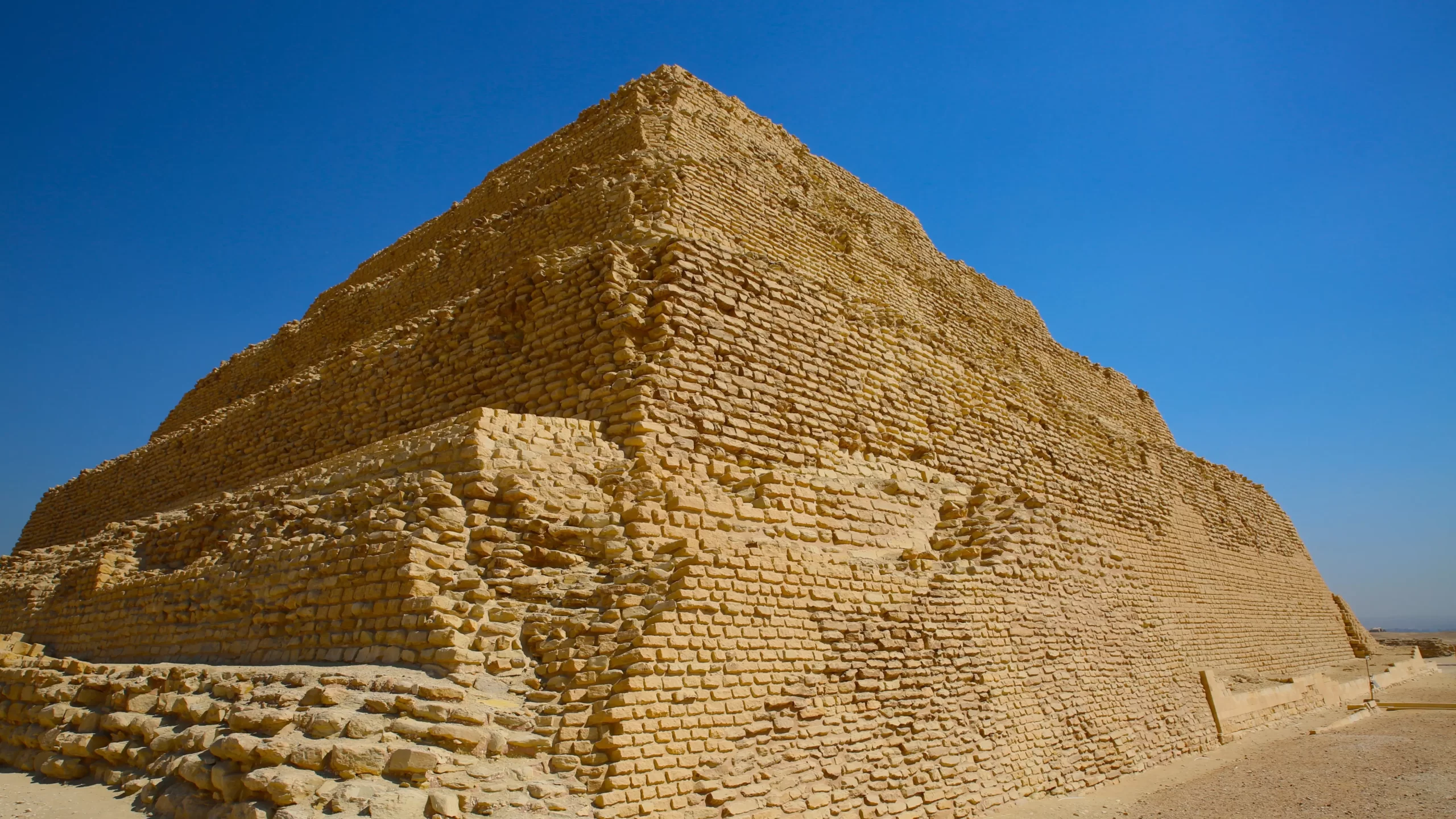
The site’s most famous monument is the Step Pyramid of King Djoser, designed by the architect Imhotep during the Third Dynasty. Rising 60 meters (197 feet) above the desert floor, it consists of six stacked mastabas and is considered the world’s first monumental stone building and the predecessor of the later true pyramids.
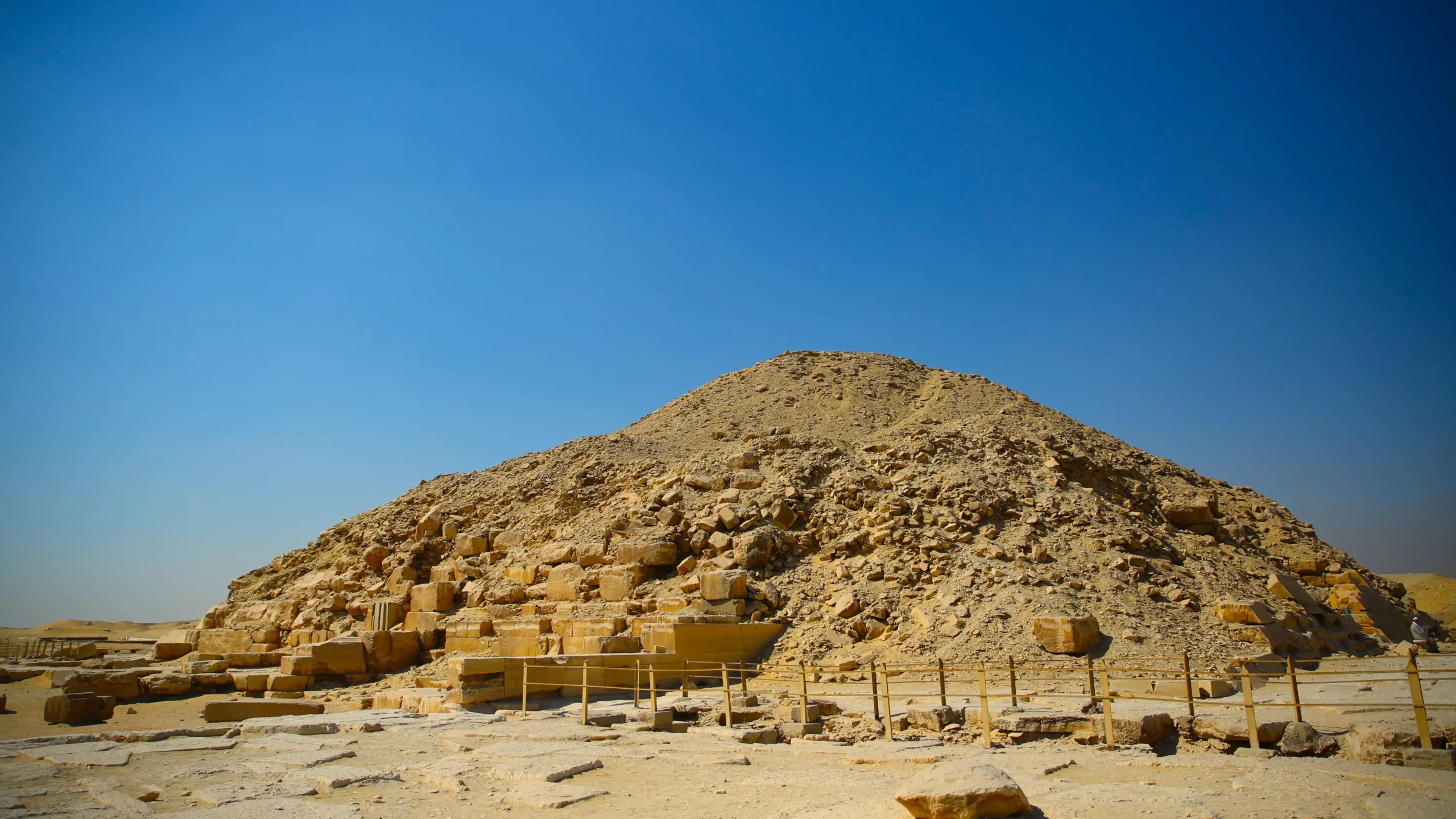
Among the eleven pyramids at Saqqara, the Pyramid of Teti is particularly notable. While modest in size, its interior contains some of the earliest known Pyramid Texts—religious inscriptions intended to guide the king through the afterlife. Visitors can also see Teti’s basalt sarcophagus within the burial chamber. Nearby stands the Pyramid of Unas, famous for being the first pyramid decorated with Pyramid Texts.
Saqqara is equally renowned for its richly decorated tombs of nobles and high officials. These tombs preserve remarkable scenes of daily life, agriculture, hunting, craftsmanship, religious ceremonies, and family activities. Notable examples include the tombs of Mereruka, Kagemni, Ti, Ptahhotep, Maya, Horemheb, and Tia, offering unique insights into ancient Egyptian society and beliefs about the afterlife.
Additional attractions within the complex include the Serapeum, the underground burial place of the sacred Apis bulls, and the Imhotep Museum, which displays artifacts discovered at the site and highlights the achievements of Egypt’s first known architect.
Saqqara forms part of the UNESCO World Heritage Site of Memphis and its Necropolis, recognized in 1979 for its outstanding importance to human history and architecture.
Step Pyramid of Djoser
The world's earliest monumental stone structure and the prototype for all later Egyptian pyramids, designed by the legendary architect Imhotep.
Pyramid Texts
The Pyramid of Teti and Pyramid of Unas contain some of the oldest religious writings in the world, carved directly onto their burial chamber walls.
Tombs of the Nobles
Beautifully preserved tombs featuring vivid scenes of daily life, agriculture, music, hunting, and religious rituals from over 4,000 years ago.
“Saqqara represents the evolution of ancient Egyptian funerary architecture over more than three thousand years. From simple mastabas to the world’s first pyramid, the site documents the development of royal and elite burial traditions better than anywhere else in Egypt.”
— Historical context note for guides
Visitor tips
Visit early in the morning to avoid the heat and enjoy the site before larger tour groups arrive.
Wear comfortable walking shoes, as exploring the complex involves considerable walking on uneven desert terrain.
Allow at least three hours to appreciate the major monuments and tombs.
Some tombs open and close periodically for conservation, so available visits may vary.
Photography opportunities are excellent throughout the site, particularly around the Step Pyramid complex.
Visit Information
Hours: 8:00 – 17:00
Entry Fees: Subject to Ministry of Tourism & Antiquities regulations
Best Time: October – April
Duration: 2–4 Hours Average
Access: Mostly Flat Terrain with Some Steps
Explore Ancient Egypt Beyond Giza
While the Giza Pyramids are Egypt’s most famous monuments, Saqqara reveals the origins of pyramid building and offers a deeper understanding of ancient Egyptian civilization through its pyramids, tombs, and ongoing archaeological discoveries.
Nearby attractions
Memphis Museum
Ancient Capital · Open-Air Museum
8 km north
Dahshur Pyramids
Bent Pyramid · Red Pyramid
12 km south
Giza Plateau
Great Pyramid · Sphinx
30 km north
Mit Rahina
Colossus of Ramesses II