

Home › Destinations › Cairo & Giza Region › Memphis
Open-Air Museum · Ancient Egypt
Memphis
The first capital of unified Egypt and one of the most important cities of the ancient world. Explore colossal statues, royal monuments, and the remains of a city that shaped Egyptian civilization for more than a millennium.
Approx. 5,000
Years old
About this attraction
Established by King Menes (Narmer), who united Upper and Lower Egypt around 3100 BC, Memphis served as the capital of ancient Egypt for more than 1,000 years. Strategically located at the point where the Nile Valley meets the Delta, the city became the political, religious, and administrative center of Egypt during much of its early history.
Although little remains of the once-great city, Memphis was once filled with magnificent temples, royal palaces, workshops, gardens, and administrative buildings. It was also the principal center of worship for Ptah, the creator god and patron deity of craftsmen and artisans.
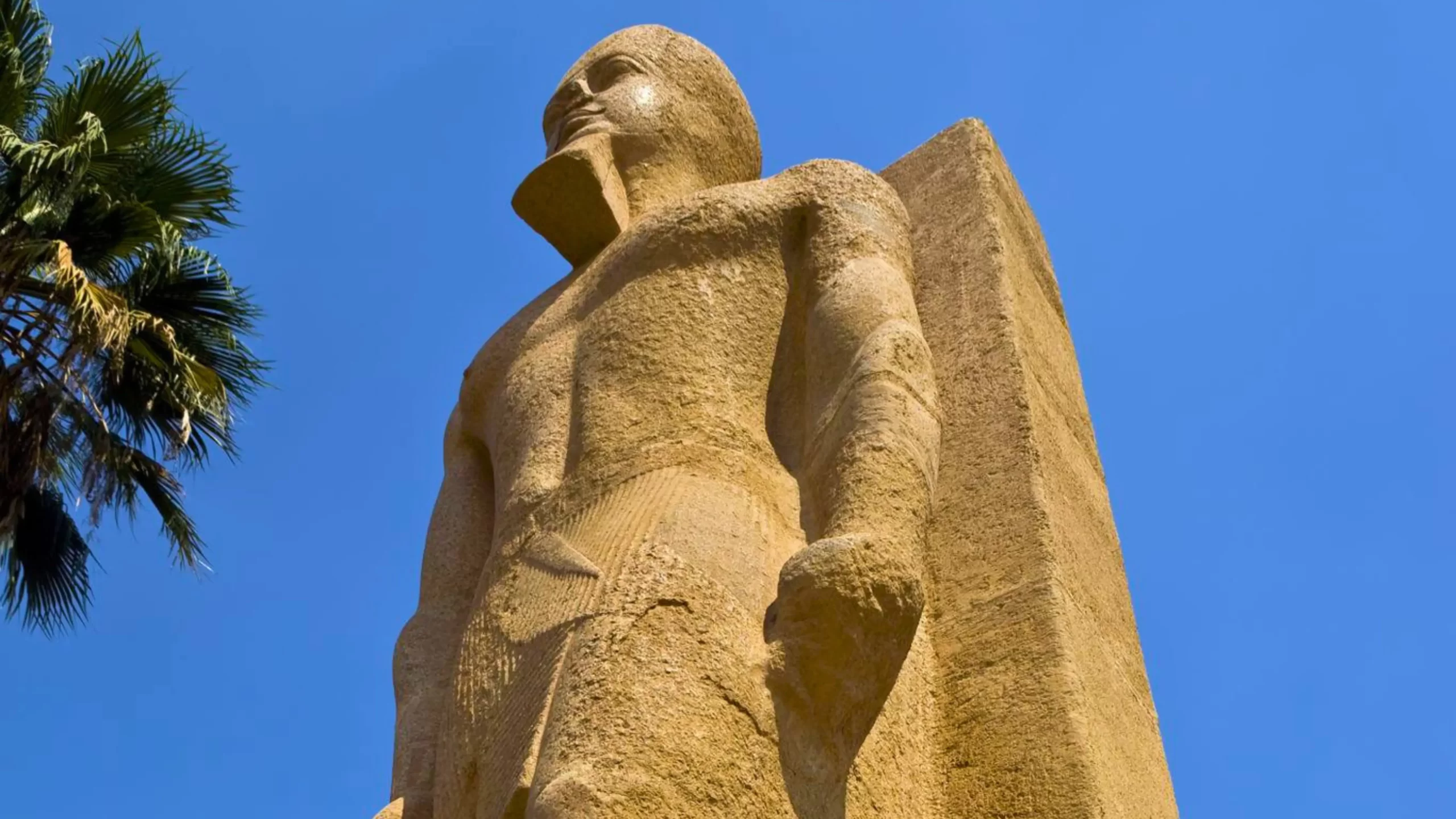
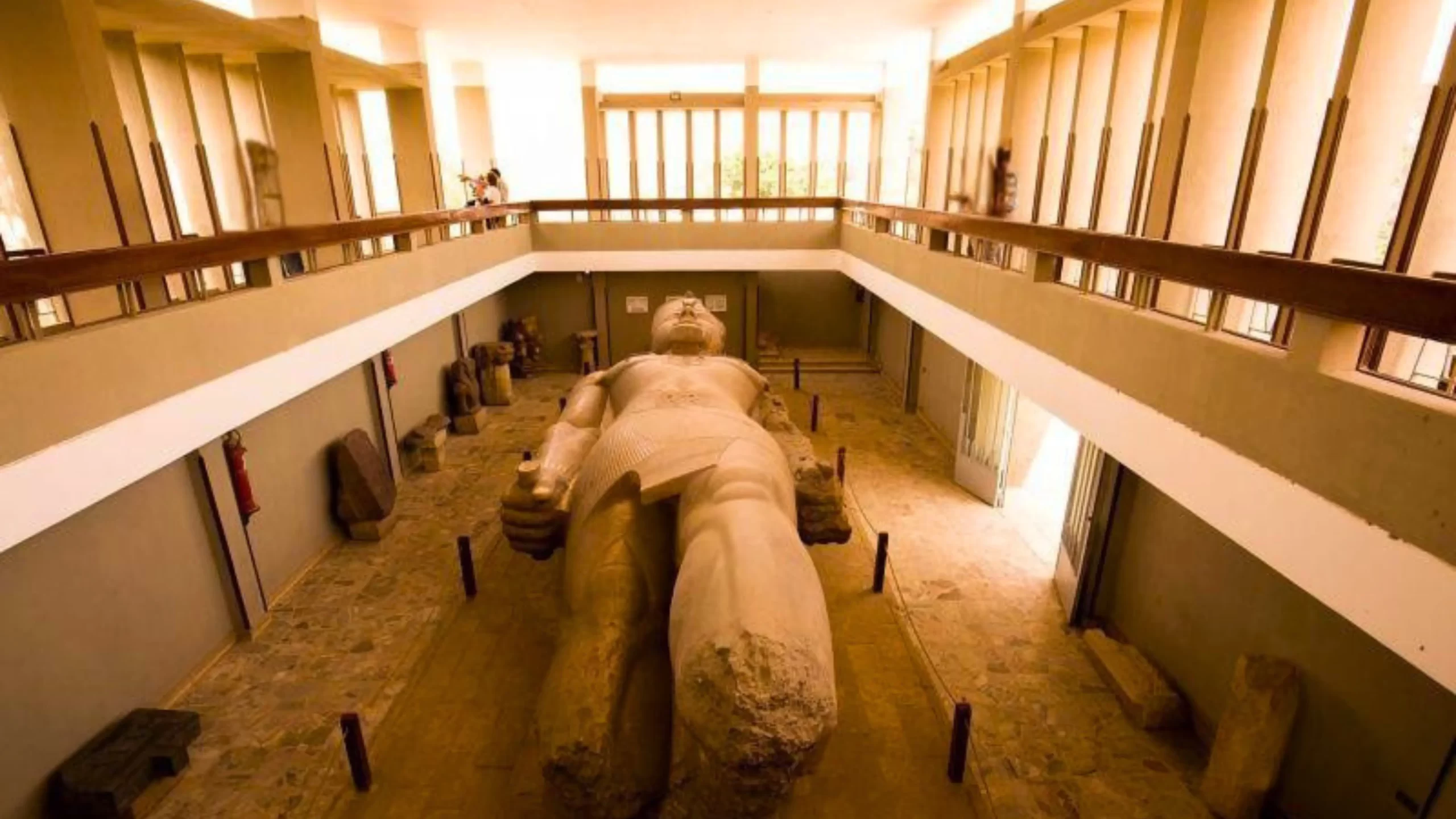
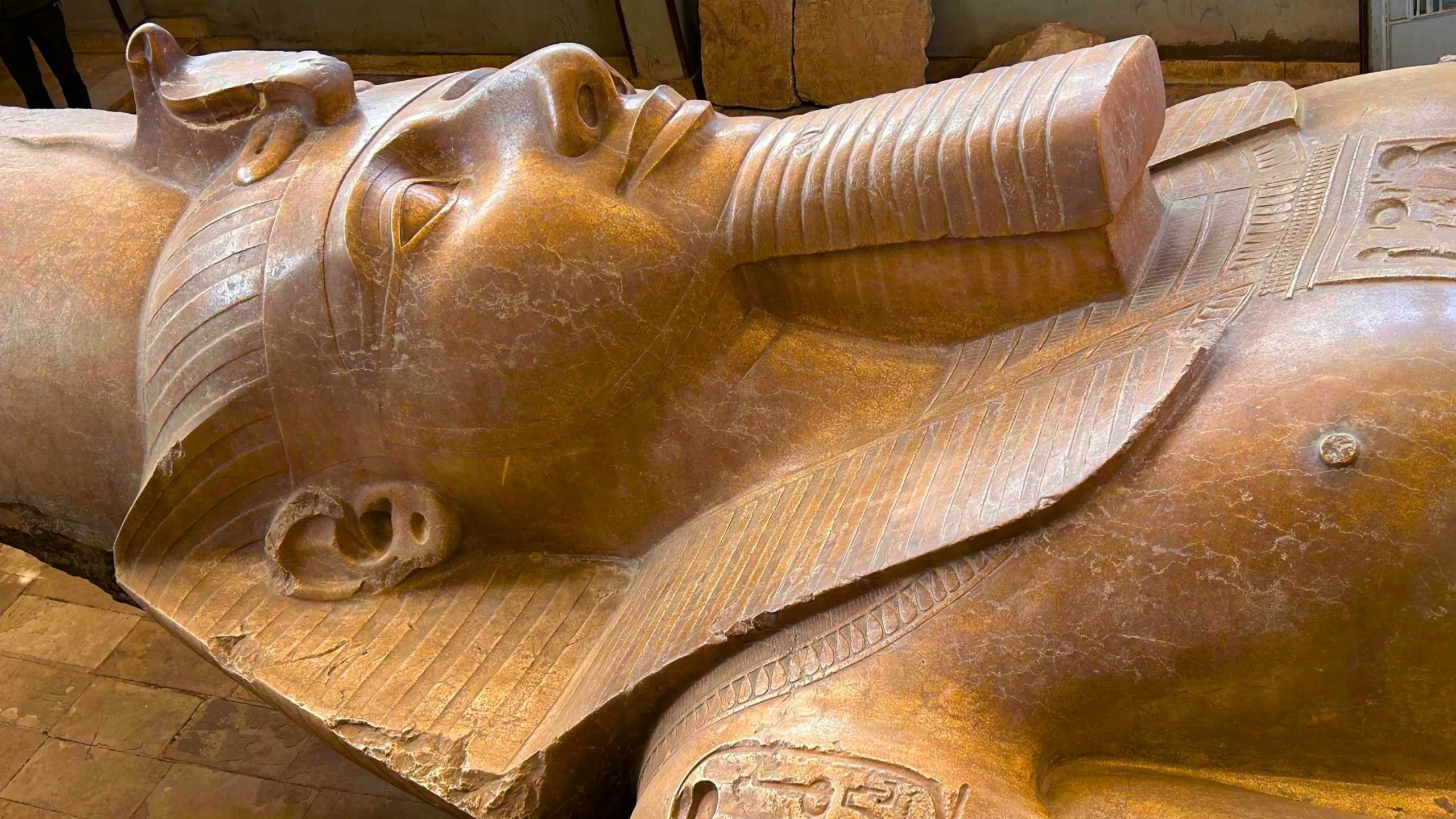
Today, visitors can explore the open-air museum and discover some of the most impressive remnants of this ancient capital. The highlight is the colossal limestone statue of Ramesses II, measuring approximately 12.8 meters (42 feet) in length. This masterpiece demonstrates the scale and artistic skill of Egypt’s New Kingdom sculptors.
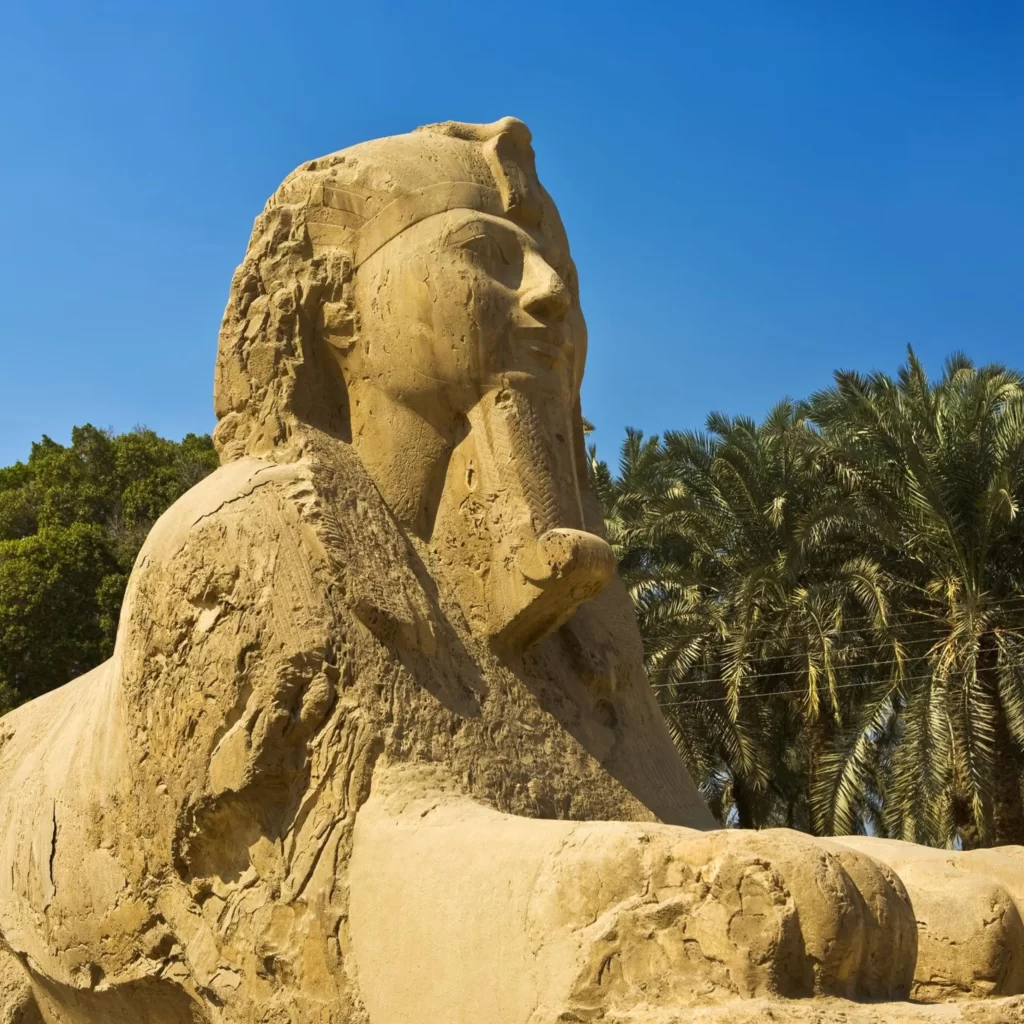
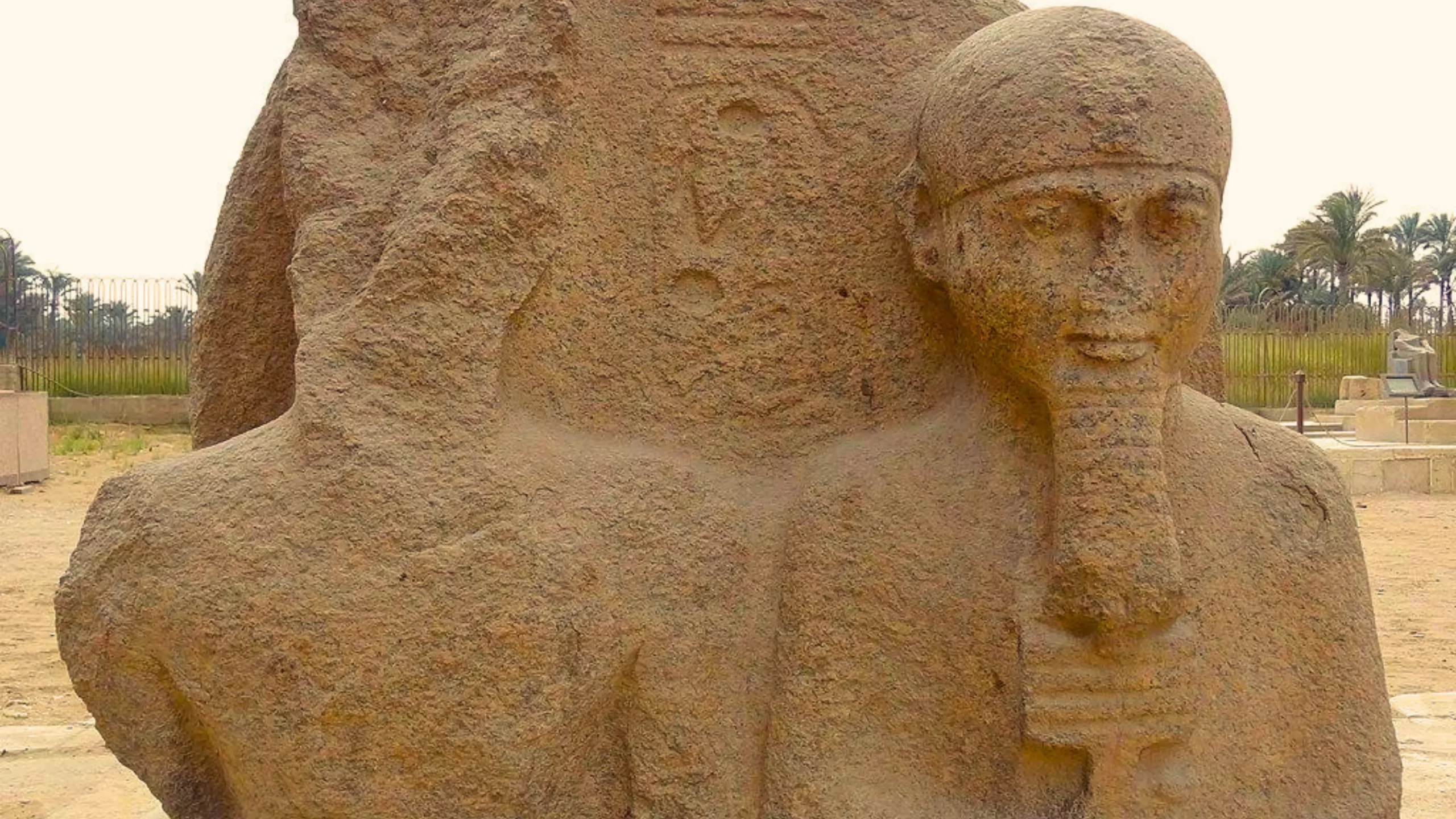
Another remarkable monument is the Alabaster Sphinx, carved from a single block of alabaster and believed to date from the New Kingdom period. Visitors can also see remains of the Temple of Ptah and various statues, stelae, and archaeological discoveries that provide insight into Memphis’s importance throughout Egyptian history.
In 1979, Memphis became part of the UNESCO World Heritage Site known as the Memphis and its Necropolis area, which also includes Saqqara, Dahshur, Abu Sir, and the Giza Plateau.
Memphis is commonly visited as part of a day trip from Cairo, often combined with Saqqara and Dahshur, making it one of the most important stops for understanding the origins of ancient Egyptian civilization.
Colossus of Ramesses II
A massive limestone statue measuring approximately 12.8 meters (42 feet), representing one of the finest surviving examples of royal sculpture from ancient Egypt.
Alabaster Sphinx
A rare and beautifully preserved sphinx carved from a single block of alabaster, weighing around 80 tons.
Temple of Ptah
Remains of the principal temple dedicated to Ptah, the patron god of Memphis and one of Egypt's most important deities.
“Memphis was the first great capital of a unified Egypt. For centuries it served as the political heart of the kingdom, connecting Upper and Lower Egypt while influencing religion, trade, and administration throughout the ancient world.”
— Historical context note for guides
Visitor tips
Combine your visit with Saqqara and Dahshur for a complete introduction to Egypt's earliest pyramids and royal monuments.
Visit early in the morning to avoid crowds and the midday heat.
Wear comfortable walking shoes, as some paths are uneven.
Bring water, sunscreen, and a hat, especially during summer months.
Don't miss the colossal statue of Ramesses II, one of the site's most iconic attractions.
Visit Information
Hours: 8:00 – 17:00
Entry Fees: Subject to Ministry of Tourism & Antiquities regulations
Best Time: October – April
Duration: 1 Hour Avg
Access: Mostly Flat
Discover the Birthplace of Ancient Egypt
Visit Memphis and walk through the remains of the city that once ruled one of the world’s greatest civilizations. Combine it with Saqqara and Dahshur for a journey through the origins of ancient Egyptian history.
Nearby attractions
Saqqara
Step Pyramid · Old Kingdom
8 km south
Dahshur
Bent Pyramid · Red Pyramid
20 km south
Giza Plateau
Pyramids & Sphinx
30 km north
Abu Sir
Royal Necropolis · Fifth Dynasty