

Home › Destinations › Upper Egypt › Luxor
Historic City · Upper Egypt
Luxor
The ancient city of Thebes, once the capital of Egypt’s empire and today known as the world’s greatest open-air museum.
Approx. 5000
Years of History
About this attraction
Luxor is one of the most extraordinary historical destinations in the world. Known in ancient times as Thebes, it served as the political, military, and religious capital of Egypt for more than 1,500 years. Throughout its long history it has been called Waset (“City of the Sceptre”), Ta Ipet (“The Shrine”), and the “City of One Hundred Gates.” The modern name Luxor comes from the Arabic word meaning “palaces.”
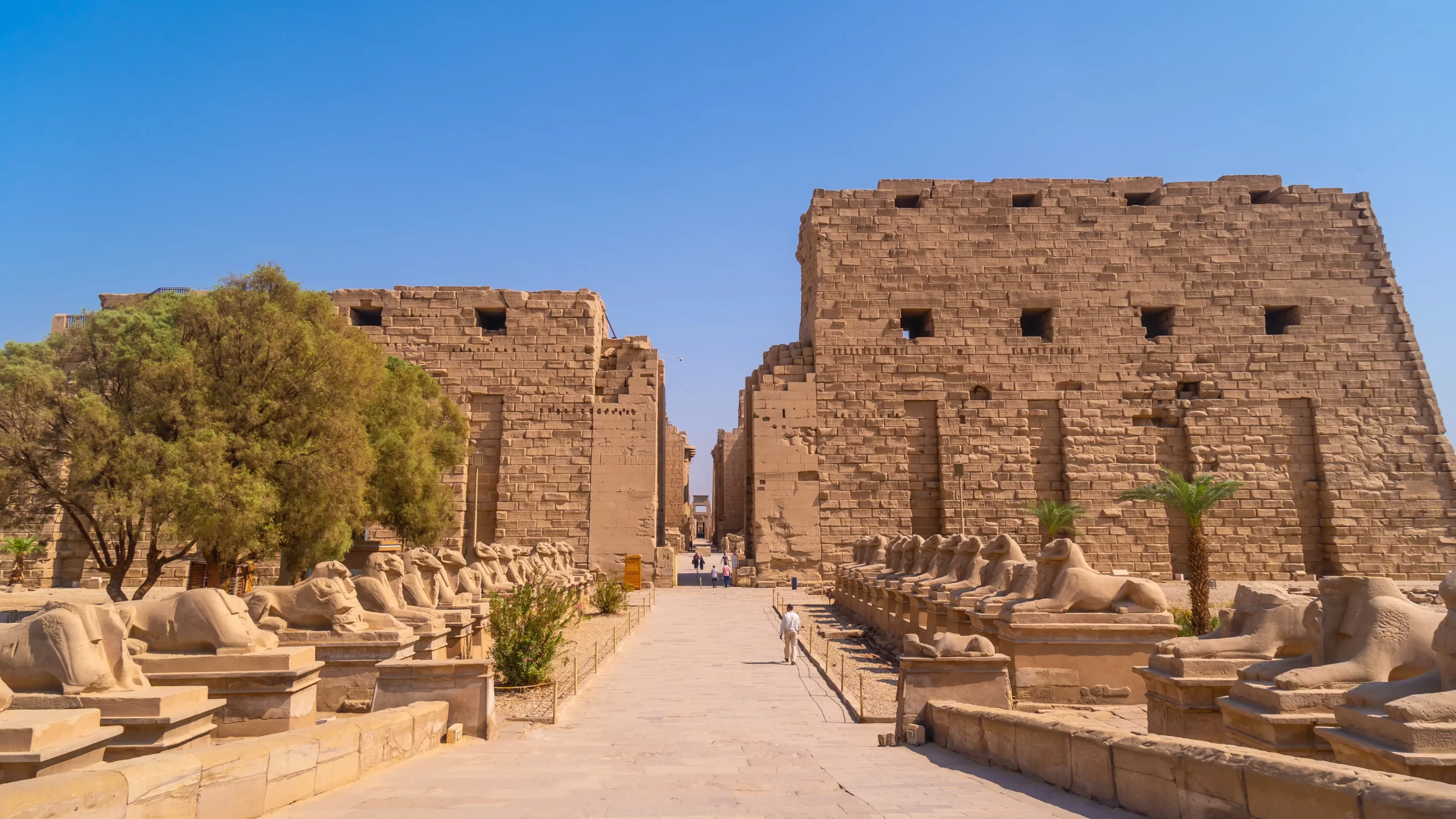
Situated on both banks of the Nile, Luxor is home to an unrivalled collection of temples, tombs, monuments, and archaeological treasures. The city contains some of Ancient Egypt’s most iconic sites, including Karnak Temple, Luxor Temple, the Valley of the Kings, the Valley of the Queens, Hatshepsut Temple, and the Colossi of Memnon.
The eastern bank was traditionally associated with life and the living, while the western bank became the realm of the dead, where kings, queens, and nobles were buried in elaborate tombs hidden within the desert cliffs.
Today, Luxor remains one of Egypt’s most important tourism destinations, attracting visitors from around the world who come to explore thousands of years of history preserved along the Nile.
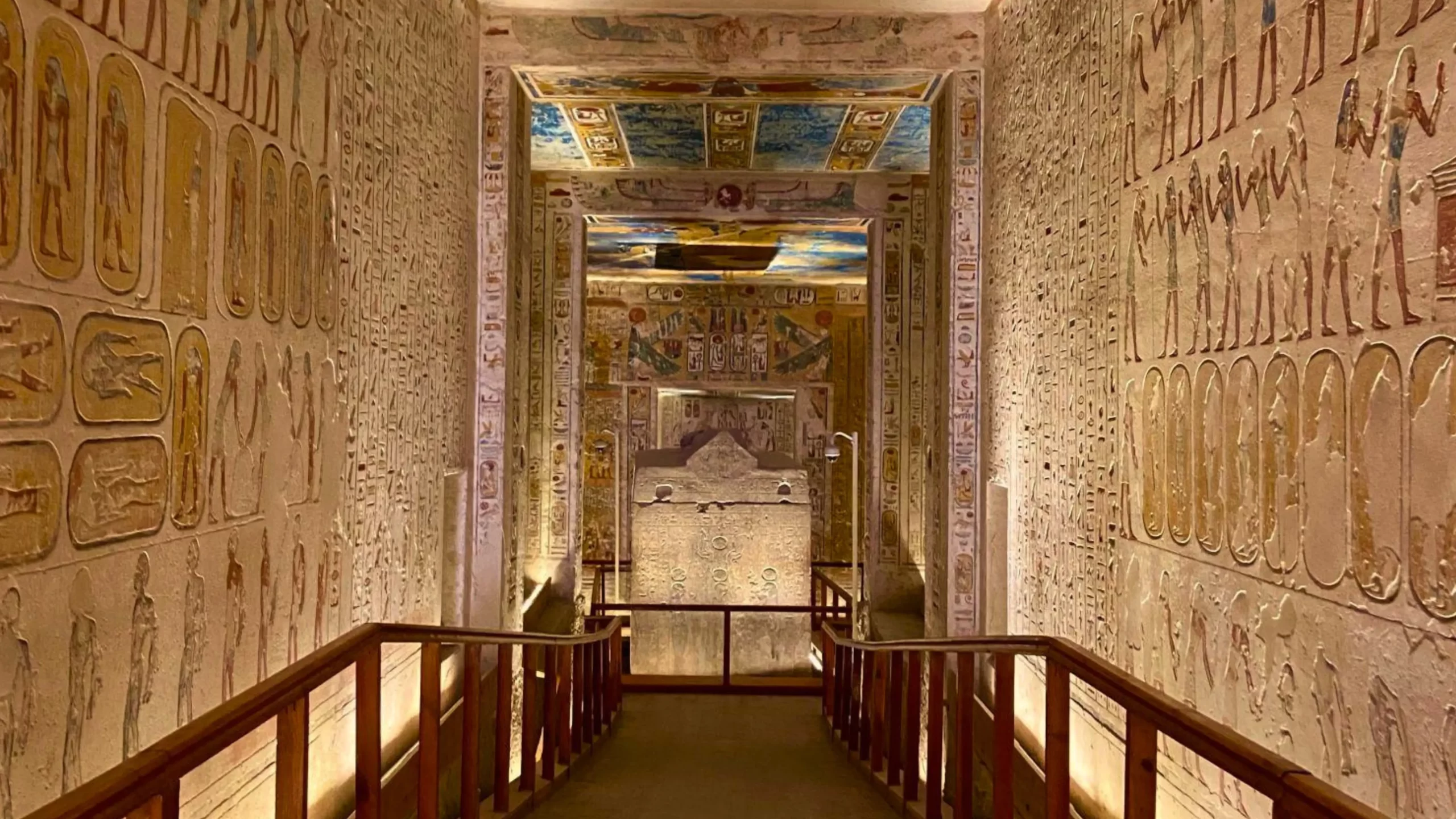
Valley of the Kings
Hidden among the desert mountains of the West Bank lies the Valley of the Kings, one of the world's most famous archaeological sites and a UNESCO World Heritage Site.
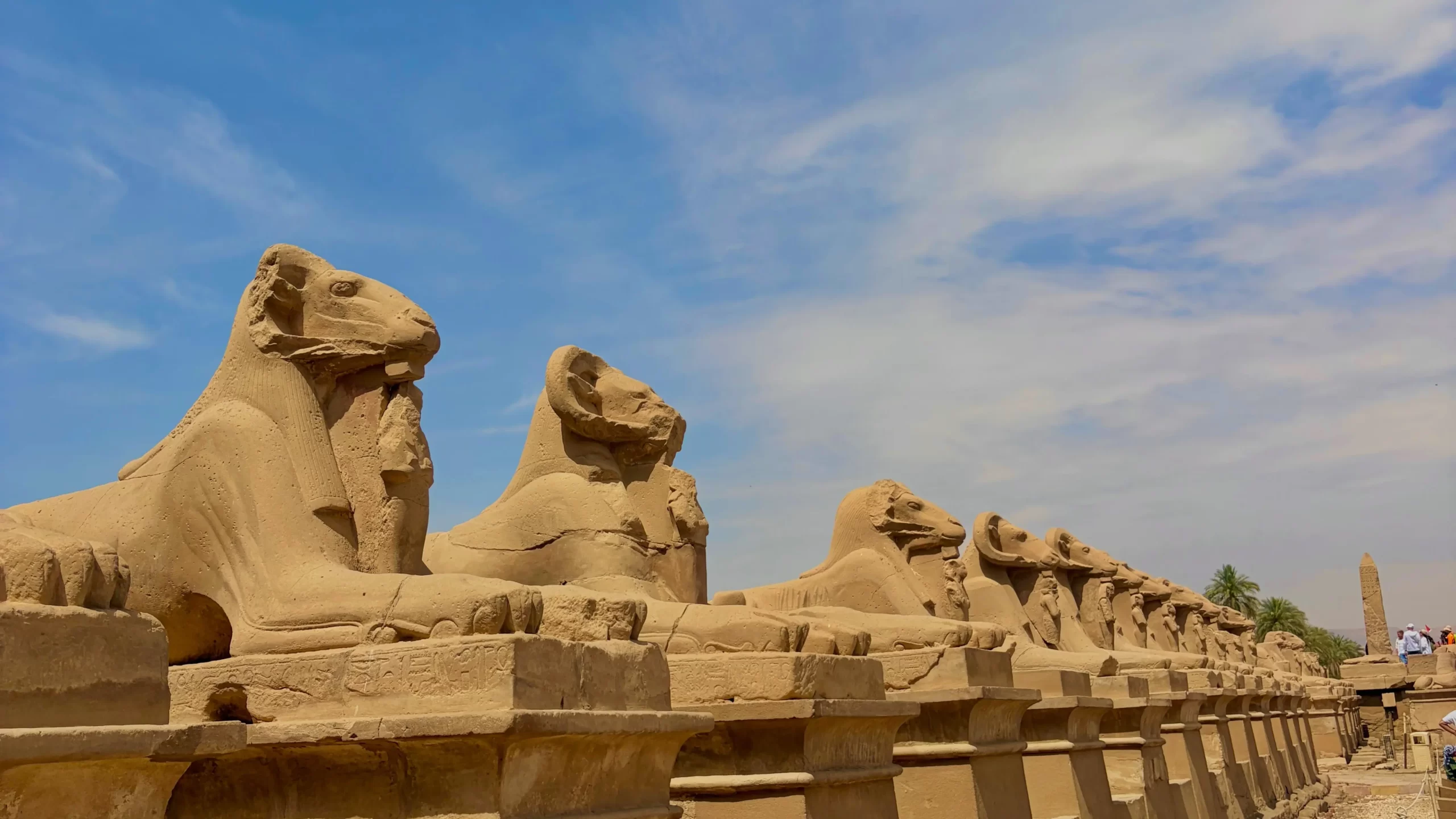
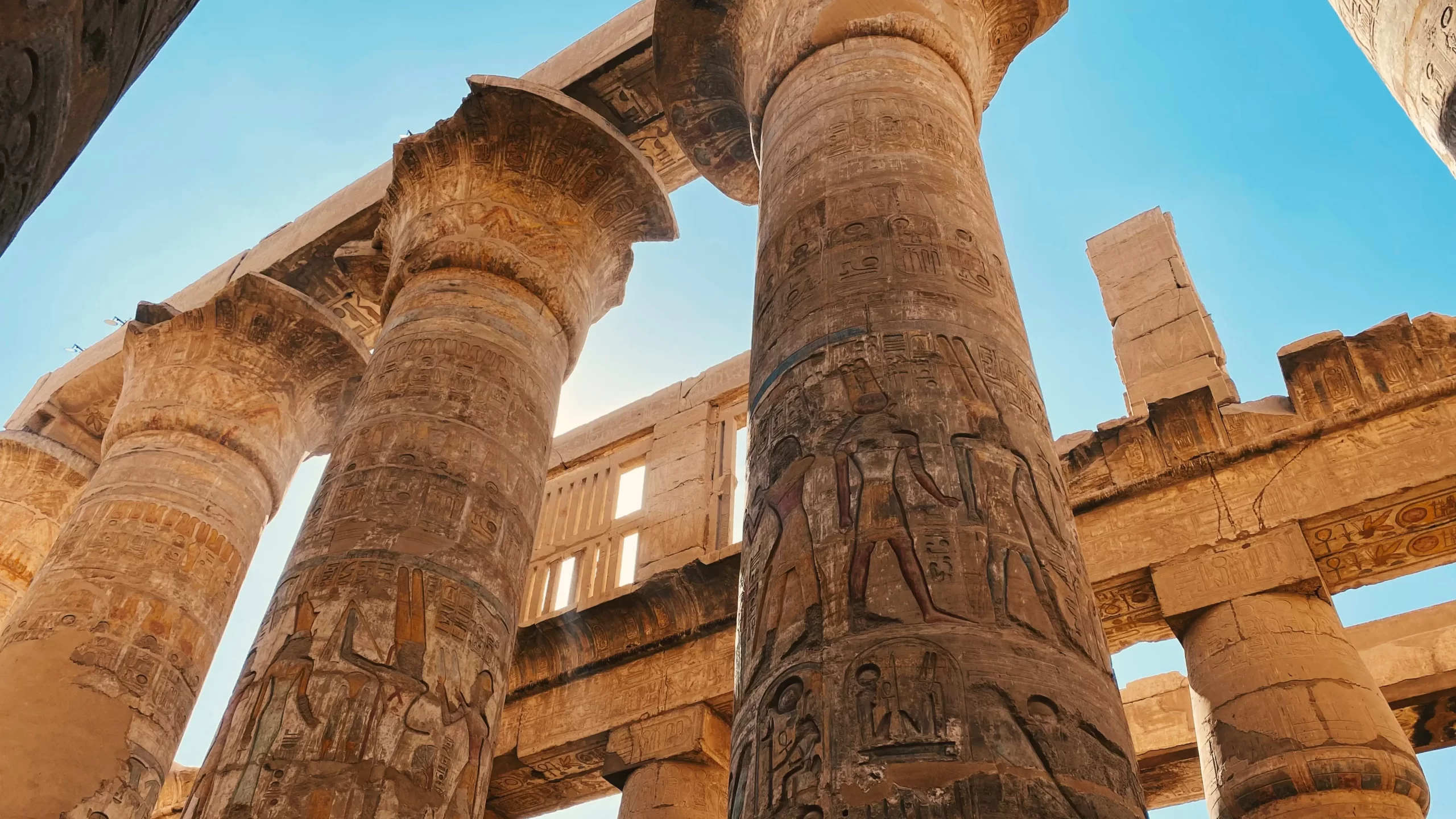
Karnak Temple
The largest religious complex ever built in ancient Egypt, Karnak covers more than 100 hectares and was continuously expanded by pharaohs for nearly 2,000 years.
Luxor Temple
Located in the heart of modern Luxor, Luxor Temple was connected to Karnak by the famous Avenue of Sphinxes. The temple remains particularly impressive at sunset and after dark when illuminated.
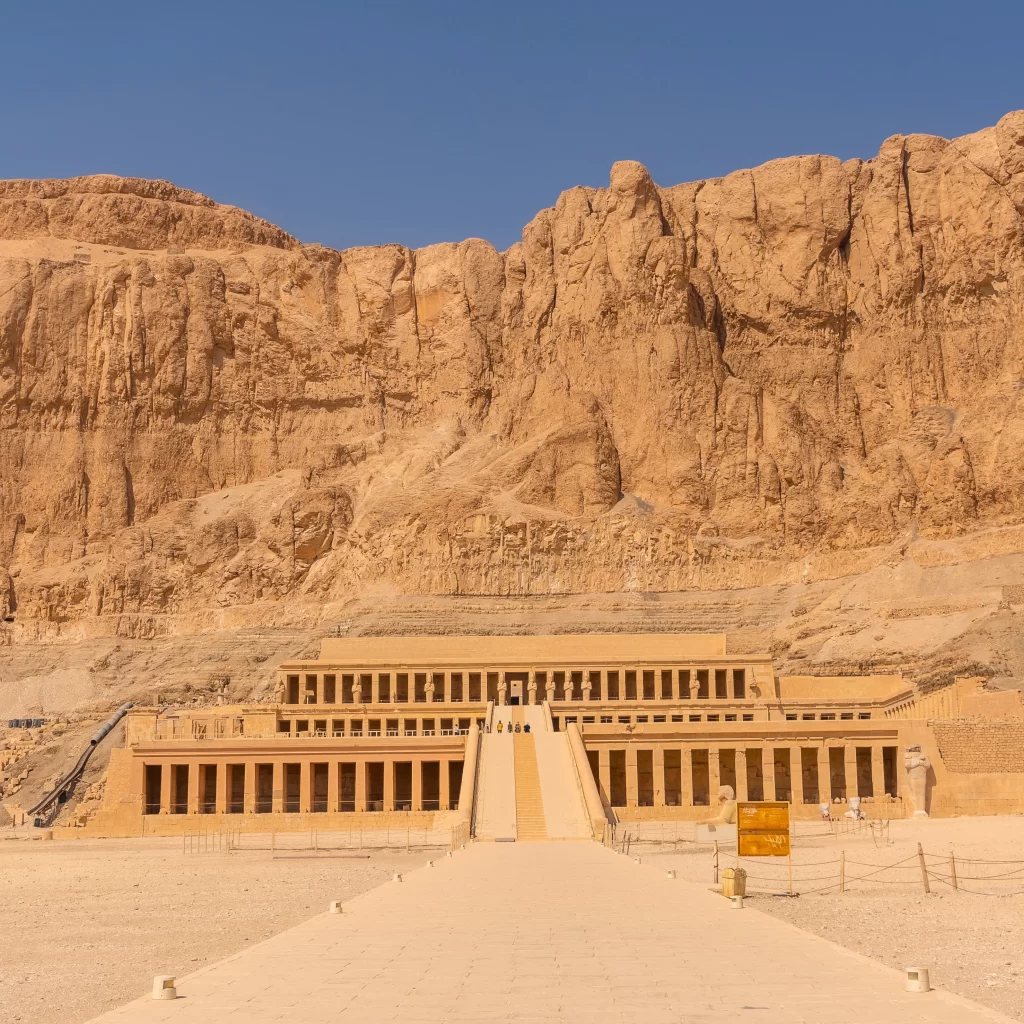
Temple of Hatshepsut
Built beneath the towering cliffs of Deir el-Bahari, the Temple of Hatshepsut is considered one of the masterpieces of ancient Egyptian architecture.
Colossi of Memnon
Standing guard over the West Bank for more than 3,300 years, the Colossi of Memnon are two massive statues of Pharaoh Amenhotep III.
Deir el-Medina
This remarkably preserved village was home to the craftsmen and artisans responsible for creating the royal tombs in the Valley of the Kings and Valley of the Queens.
“Few places on earth offer such a concentration of history. Luxor was once the heart of an empire, and today its temples, tombs, and monuments tell the story of nearly three millennia of Egyptian civilization.”
— Historical context note for guides
Visitor tips
Start your sightseeing early in the morning, especially during summer months.
Allow at least two full days to properly explore Luxor's major sites.
Wear comfortable walking shoes as many sites involve uneven stone surfaces.
Luxor Temple is particularly beautiful at sunset and after dark
Consider visiting both the East and West Banks to fully appreciate the city's historical significance.
Visit Information
Hours: Most sites 6:00 – 17:00
Entry Fees: Vary by site
Best Time: October – April
Duration: 2–3 Days
Access: Mostly Flat, Some Uneven Surfaces
Explore Luxor with Dahabiya Nile Sailing
Luxor marks either the beginning or end of many Nile journeys. Discover the temples, tombs, and monuments of ancient Thebes before continuing your voyage along the Nile
Nearby attractions
Valley of the Queens
Royal Tombs · New Kingdom
5 km west
Dendera Temple
Hathor · Best Preserved Reliefs
65 km north
Abydos Temple
Osiris · Pilgrimage Site
170 km north
Esna Temple
Khnum · Greco-Roman Temple