

Home › Destinations › Luxor Region › Dendera
Temple · Upper Egypt
Dendera Temple Complex
One of Egypt’s best-preserved temples, famous for its vibrant ceiling paintings, the Temple of Hathor, and the legendary Dendera Zodiac.
Approx. 2,000
Years old
About this attraction
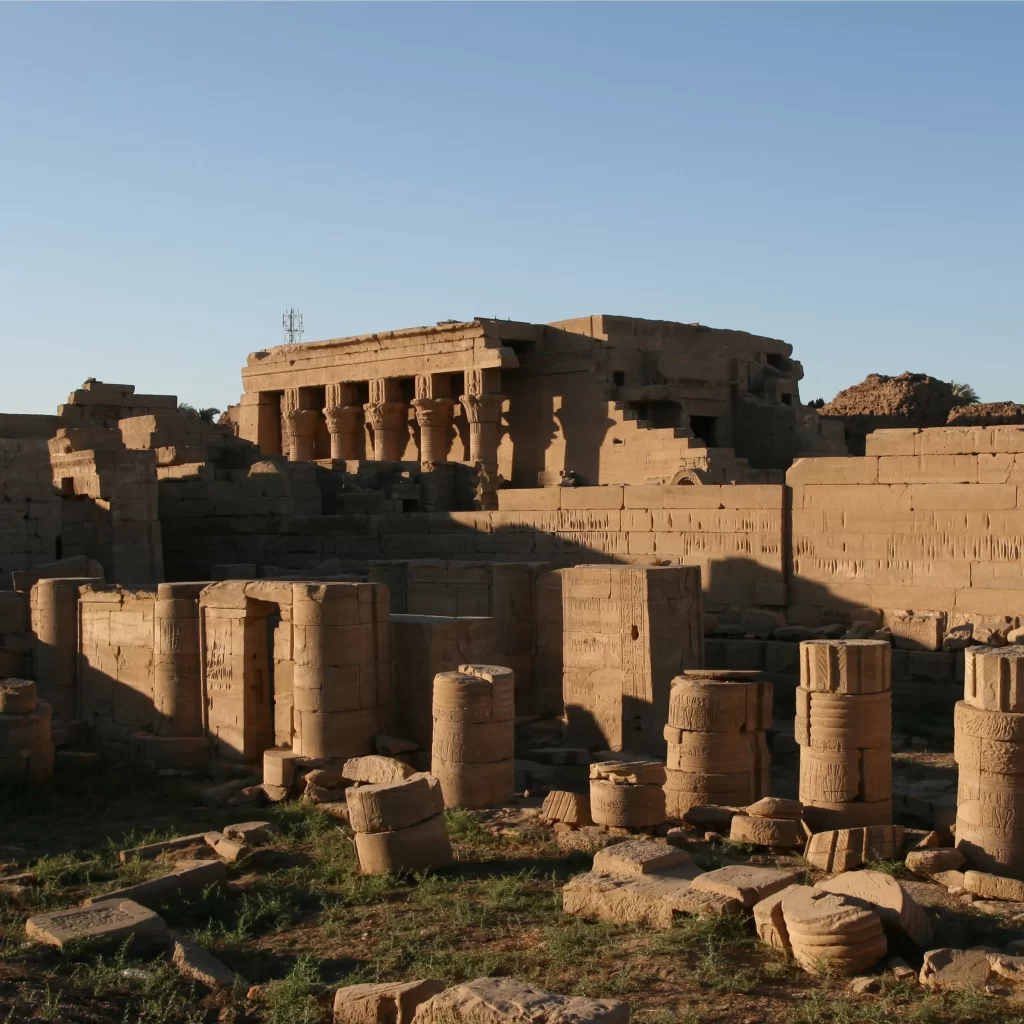
Located on the west bank of the Nile approximately 80 kilometers north of Luxor, Dendera is one of the most remarkable temple complexes in Egypt. Covering nearly 40,000 square meters, the site is dominated by the magnificent Temple of Hathor, goddess of love, beauty, music, and motherhood.
Although the present temple dates mainly to the first century BC and was expanded during the Ptolemaic and Roman periods, archaeological evidence indicates that religious structures existed here as early as the Old Kingdom. Pharaoh Pepi I is believed to have built one of the earliest sanctuaries on the site, while remains from the New Kingdom and Late Period have also been discovered.
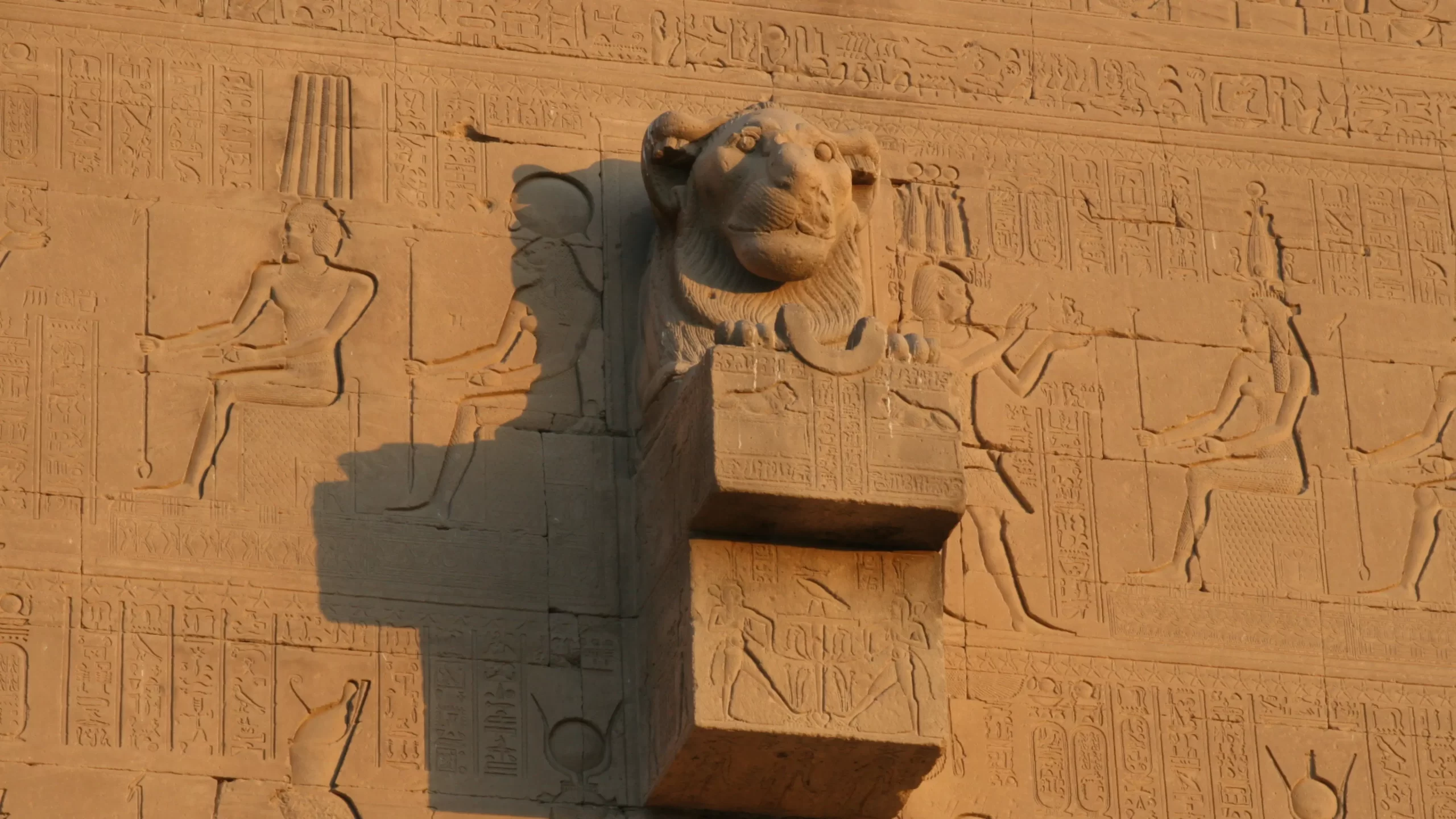
Following extensive restoration work, Dendera has become famous for its exceptionally preserved colors. Visitors can admire vibrant ceiling decorations that provide one of the clearest examples of how richly painted ancient Egyptian temples once appeared.
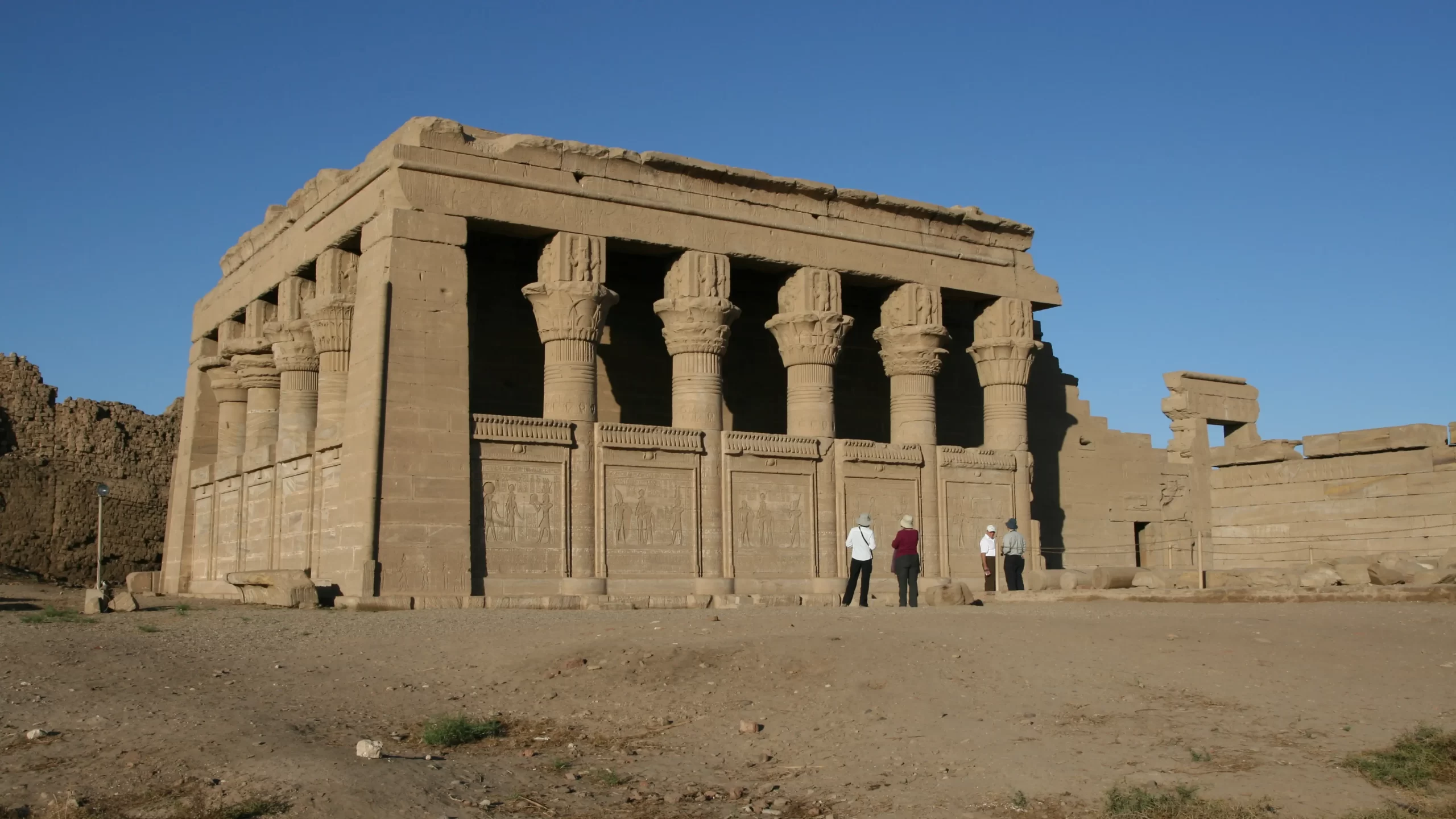
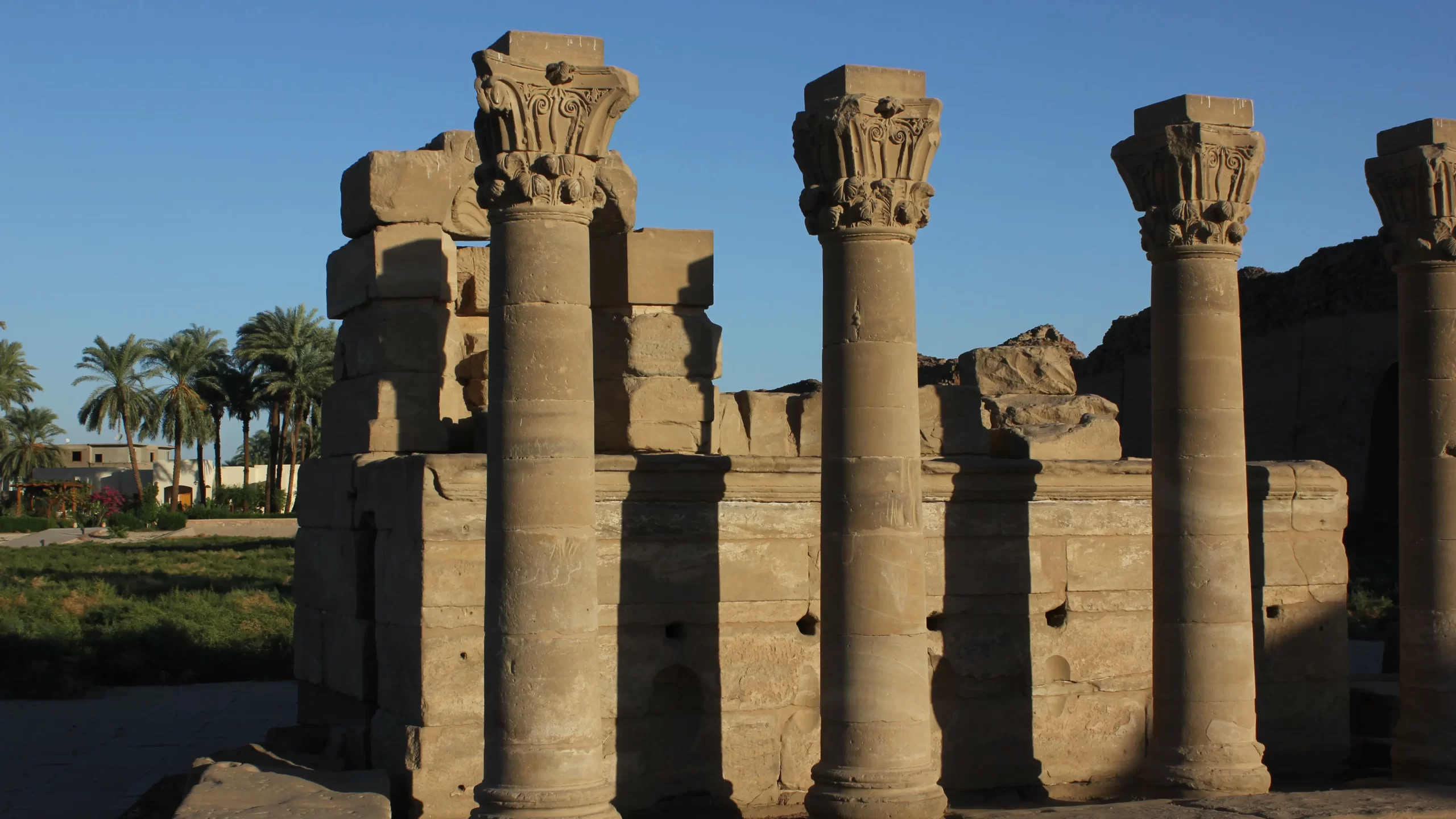
The complex contains several important monuments including the Temple of Hathor, Roman gateways built by Emperors Domitian and Trajan, birth houses (Mammisi), a chapel dedicated to Isis, and the remains of a Coptic Christian basilica dating to the 5th century AD.
One of the temple’s most famous features was the Dendera Zodiac, an astronomical relief depicting the constellations and heavens. The original was removed in 1820 and is now displayed in the Louvre Museum in Paris, while a replica remains at the temple.
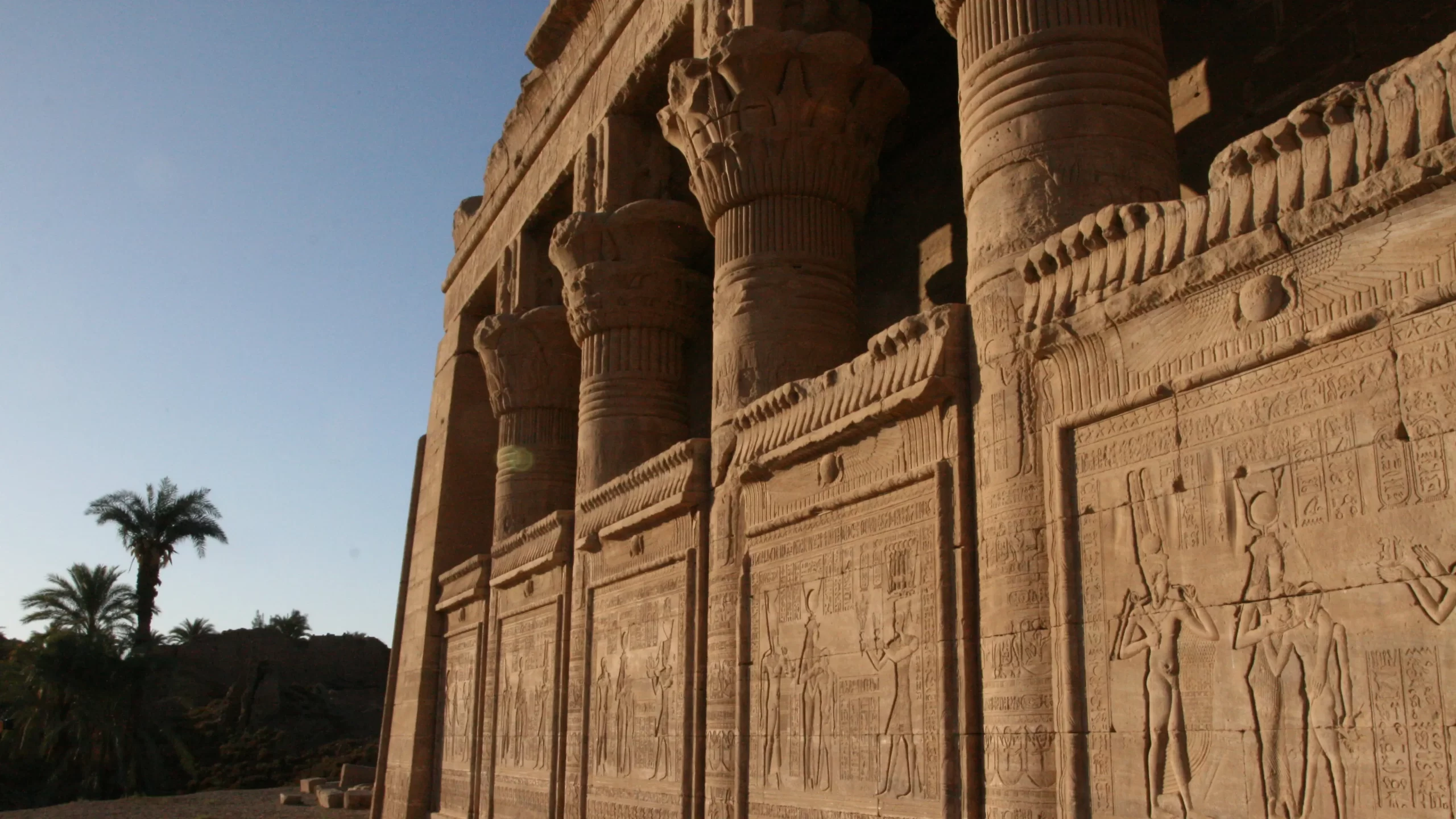
Visitors can also see one of the most famous depictions of Cleopatra VII and her son Caesarion carved on the exterior walls, making Dendera one of the few places in Egypt where representations of the last pharaoh survive.
Temple of Hathor
Dedicated to Hathor, goddess of love, music, joy, and motherhood, the temple features massive columns topped with Hathor-headed capitals and some of the most colorful reliefs in Egypt.
The Dendera Zodiac
One of the most celebrated astronomical representations from ancient Egypt, illustrating the zodiac signs and celestial bodies. The original relief is preserved in Paris, while a replica can be viewed on-site.
Cleopatra and Caesarion Reliefs
Rare carvings depicting Cleopatra VII and her son Caesarion adorn the temple's exterior walls, offering a unique glimpse into Egypt's final pharaonic dynasty.
“Dendera preserves some of the finest surviving temple decoration in Egypt. Its brilliantly colored ceilings and astronomical scenes reveal the sophistication of Egyptian religious beliefs during the Ptolemaic and Roman periods.”
— Historical context note for guides
Visitor tips
Look up frequently—the temple's ceilings contain some of the most vivid surviving colors in Egypt.
Visit early in the morning for softer light and fewer visitors.
Bring a camera; the restored artwork offers exceptional photography opportunities.
Wear comfortable shoes, as the complex covers a large area.
Don't miss the rooftop area and chapels if they are open during your visit.
Visit Information
Hours: 6:00 – 17:00
Entry Fees: According to current Ministry of Tourism rates
Best Time: October – April
Duration: 2–3 Hours Average
Access: Mostly Flat
Discover Dendera from Luxor
Dendera is one of the most rewarding day excursions from Luxor, offering visitors the chance to experience some of the best-preserved temple art in Egypt. Combine it with a visit to Abydos for a deeper exploration of ancient Egyptian religion and history.
Nearby attractions
Abydos Temple
Osiris · Sacred Pilgrimage Site
70 km north
Karnak Temple
Amun-Ra · Largest Temple Complex
80 km south
Luxor Temple
Royal Ceremonial Temple
82 km south
Valley of the Kings
Royal Tombs · New Kingdom