

Home › Destinations › Cairo region › Islamic Cairo
Historic Street · Old Cairo
Al-Mu’izz Street
One of the most remarkable open-air museums of Islamic architecture in the world. A living street where medieval history and everyday Cairo life coexist.
Approx. 1000+
Years old
About this attraction
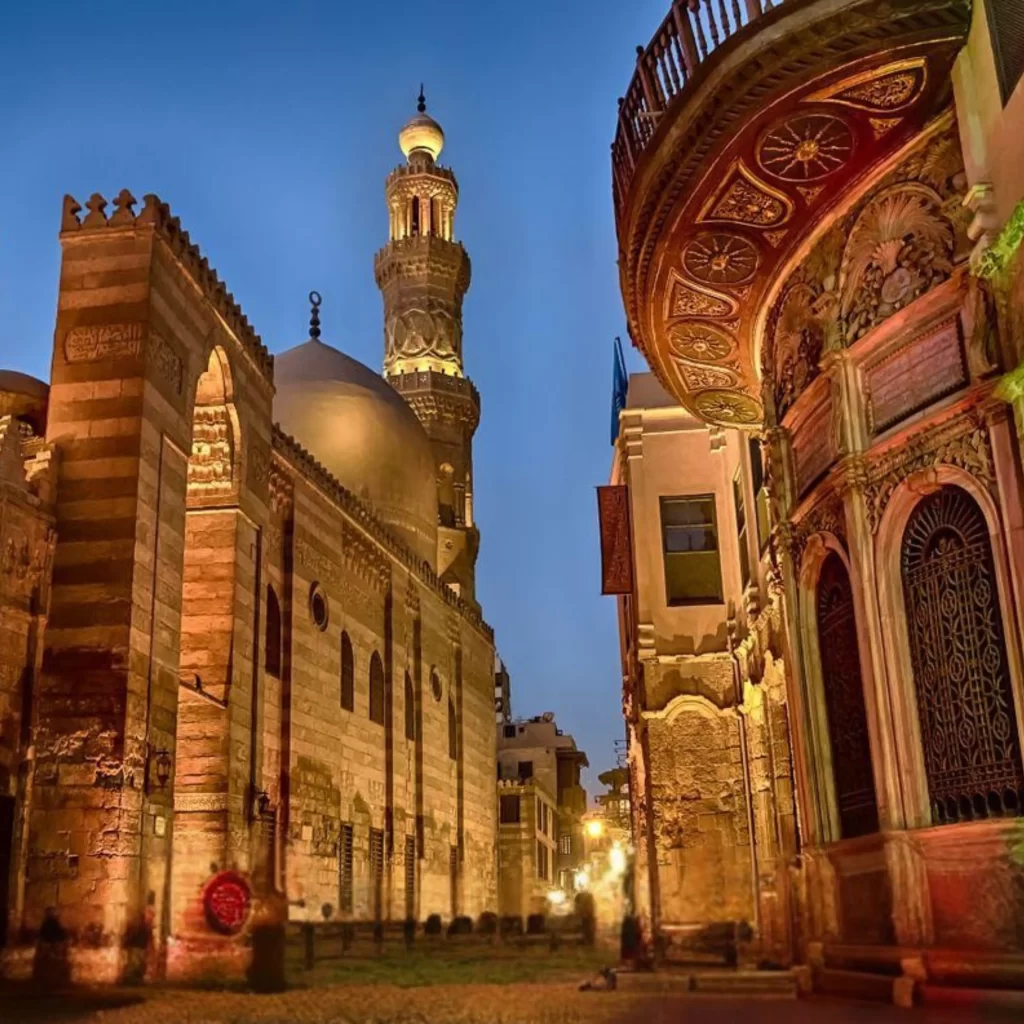
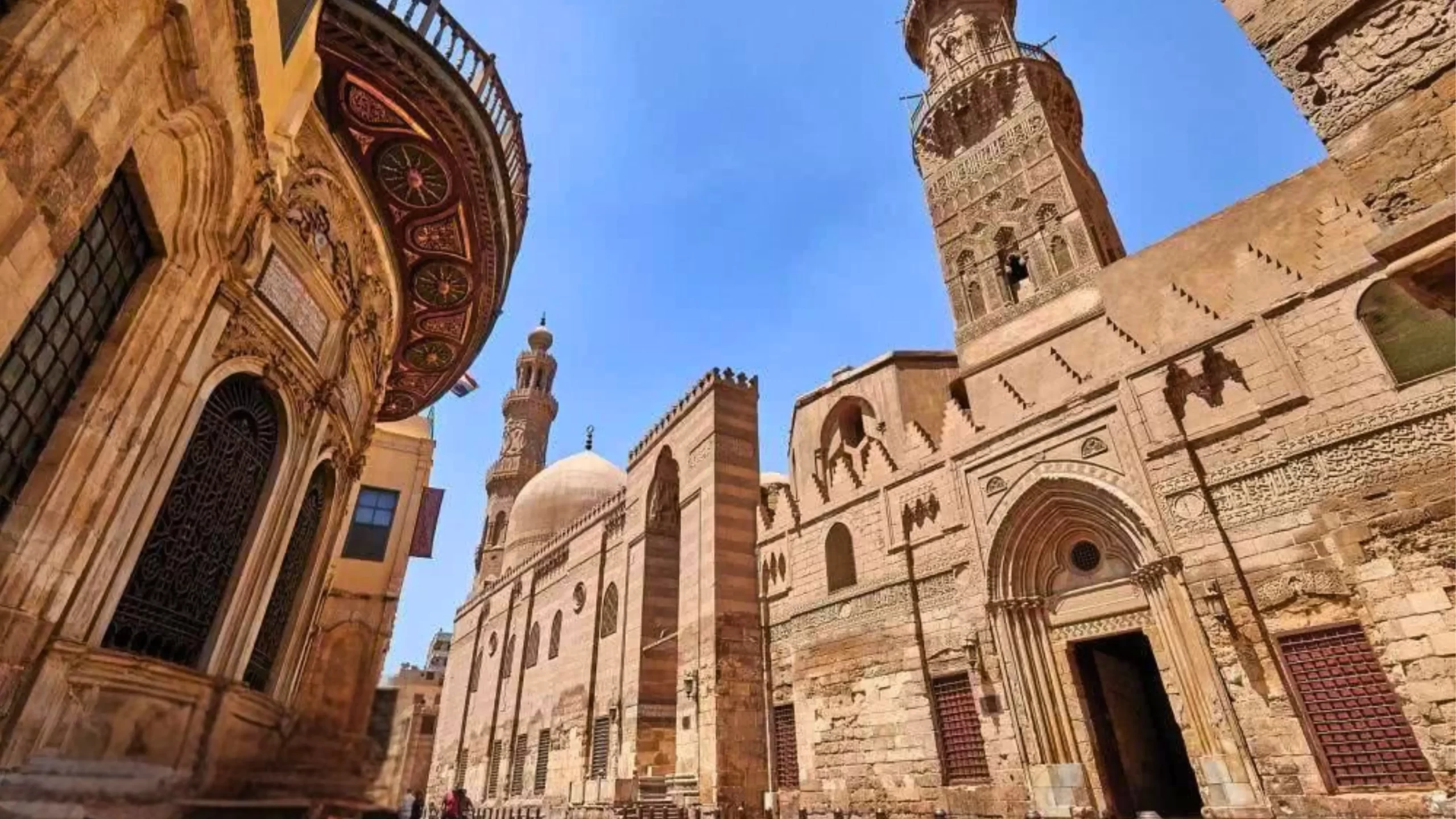
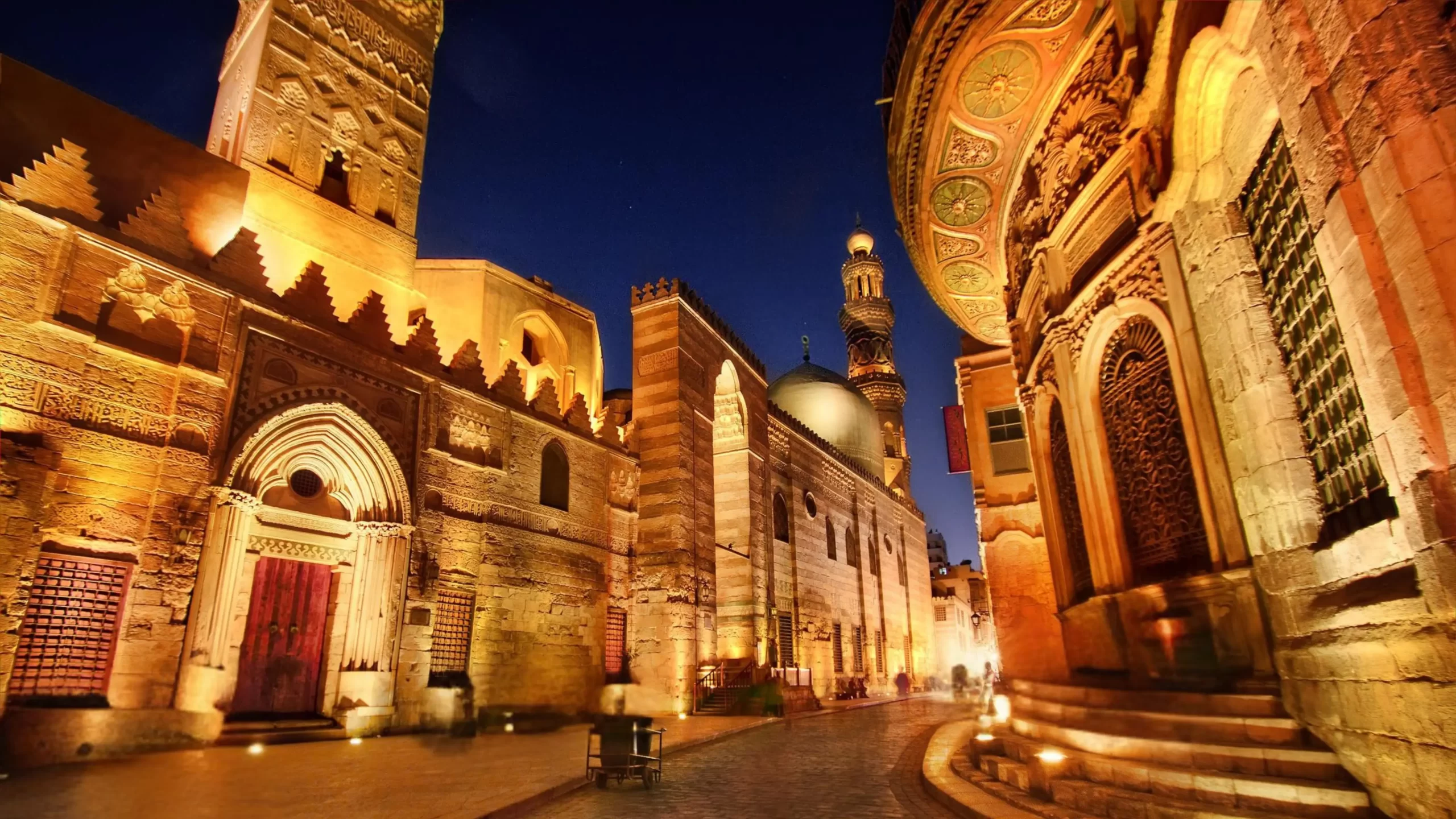
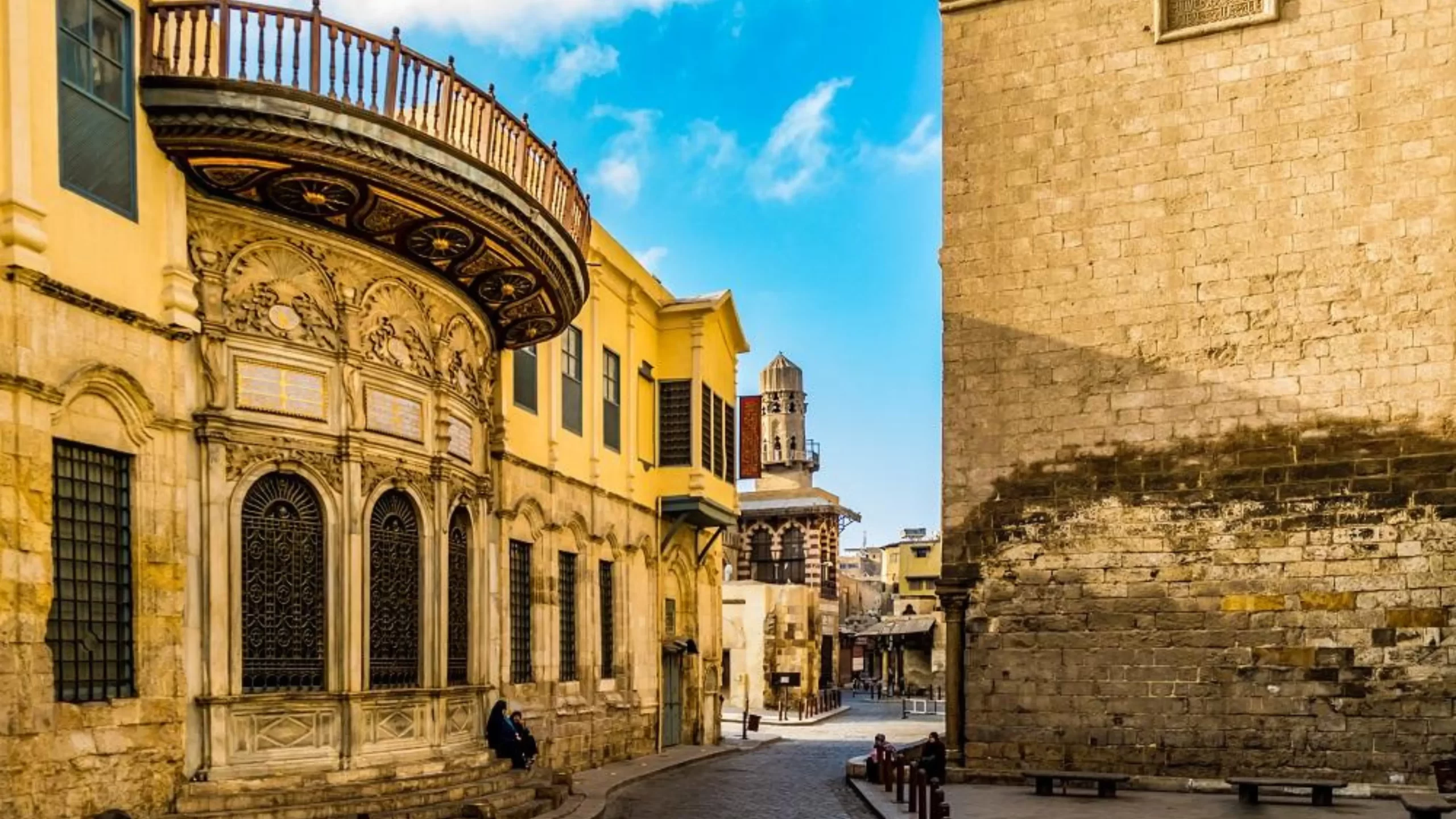
Al-Mu’izz Street is the historic spine of Islamic Cairo and one of the best-preserved collections of medieval Islamic architecture in the world. Established when Islamic Cairo became the capital of Egypt in 969 AD under the Fatimid Caliph Al-Mu’izz, the street was originally the main ceremonial and commercial axis of the city.
Today, walking along Al-Mu’izz Street feels like stepping into an open-air museum. The area is filled with some of Cairo’s most important monuments, including mosques such as Al-Azhar Mosque and University, madrasas (Islamic schools), beautifully decorated historic houses, mausoleums, sabils (public water fountains), wikalas (caravanserais for merchants), Sufi lodges, synagogues, and traditional markets.
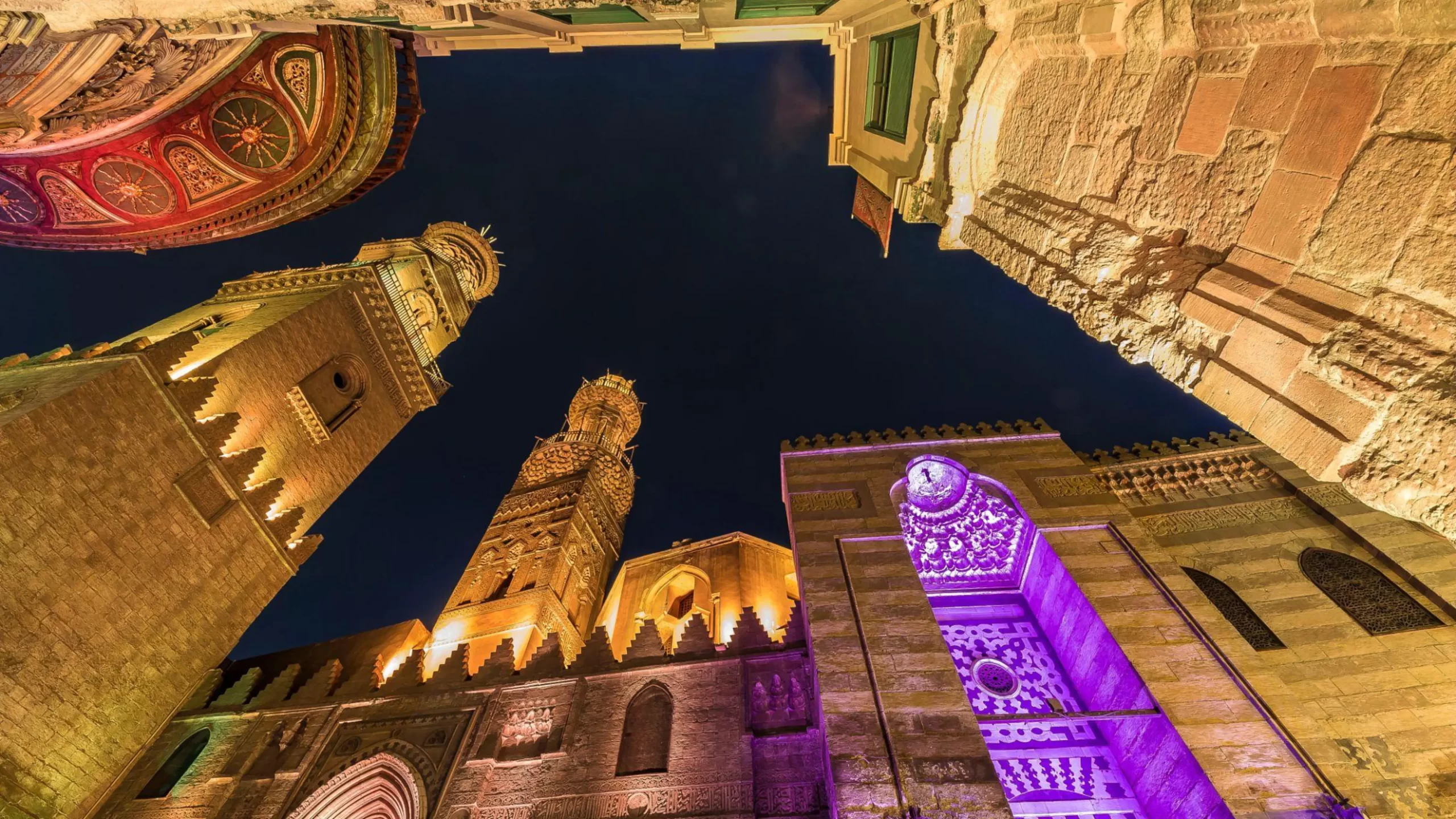
The street reflects centuries of architectural evolution, showcasing intricate stone carvings, wooden mashrabiyas, domes, and minarets that define Cairo’s identity as the “City of 1,000 Minarets.” Many of these buildings remain preserved in their original form, making it one of the richest Islamic heritage corridors in the world.
Medieval Cairo was once a walled city, and several of its historic gates still stand nearby, including Bab al-Nasr, Bab al-Futuh, and Bab Zuweila. These gates once controlled access to the city and now serve as powerful reminders of Cairo’s defensive and political history.
Beyond its monuments, Al-Mu’izz Street is still a living part of Cairo. The area is filled with local shops and traditional markets where visitors can witness daily life and discover crafts such as tent-making (appliqué), metalwork, and handmade souvenirs. This blend of history and living culture makes it one of the most authentic walking experiences in Cairo.
Islamic architectural masterpieces
Mosques, madrasas, sabils, and wikalas from different Islamic eras.
Historic city gates
Bab al-Nasr, Bab al-Futuh, Bab Zuweila — remnants of medieval Cairo’s fortifications.
The City of 1,000 Minarets
A nickname earned due to the dense concentration of mosques and Islamic monuments.
“The street represents one of the most complete surviving ensembles of Islamic architecture in the world, but what we see today is the result of centuries of development — primarily from the Fatimid, Ayyubid, Mamluk, and Ottoman eras. Each dynasty contributed its own architectural identity, creating a layered urban fabric where mosques, madrasas, sabils, and caravanserais coexist in remarkable harmony. This blending of styles reflects Cairo’s long-standing role as a cultural, religious, and commercial capital of the Islamic world.”
— Historical context note for guides
Visitor tips
Best explored on foot to fully appreciate architectural details
Visit early morning or late afternoon for better light and fewer crowds
Wear comfortable shoes due to cobblestone and uneven streets
Take time to explore side alleys for hidden gems and artisan workshops
Ideal for photography, especially around gates and mosque courtyards
Visit Information
Hours: Open 24/7 (monuments may have specific opening hours)
Entry Fees: Free street access (some monuments require tickets)
Best Time: Oct - Apr
Duration: 2–3 hours recommended
Access: Walking tour only
Experience Islamic Cairo the way it was meant to be explored
All our Cairo heritage tours include Al-Mu’izz Street as a key cultural stop. Walk through centuries of history where every corner tells a story of faith, trade, and architectural brilliance.
Nearby attractions
Bab Zuweila
Historic Gate · Medieval Cairo skyline views
0.8 km
Khan El Khalili Bazaar
Market · Traditional shopping experience
0.5 km
Al-Azhar Mosque
Islamic learning · One of Cairo’s oldest mosques
0.6 km
El Hussein Mosque
Spiritual landmark · Religious heart of Islamic Cairo