
Home › Destinations › Aswan Region › Nubian Villages
Cultural Experience · Upper Egypt
Nubian Villages
Discover one of the world’s oldest living cultures through authentic village visits, local traditions, and the enduring heritage of Nubian communities along the Nile.
Approx. 9000
Years of history
About this attraction
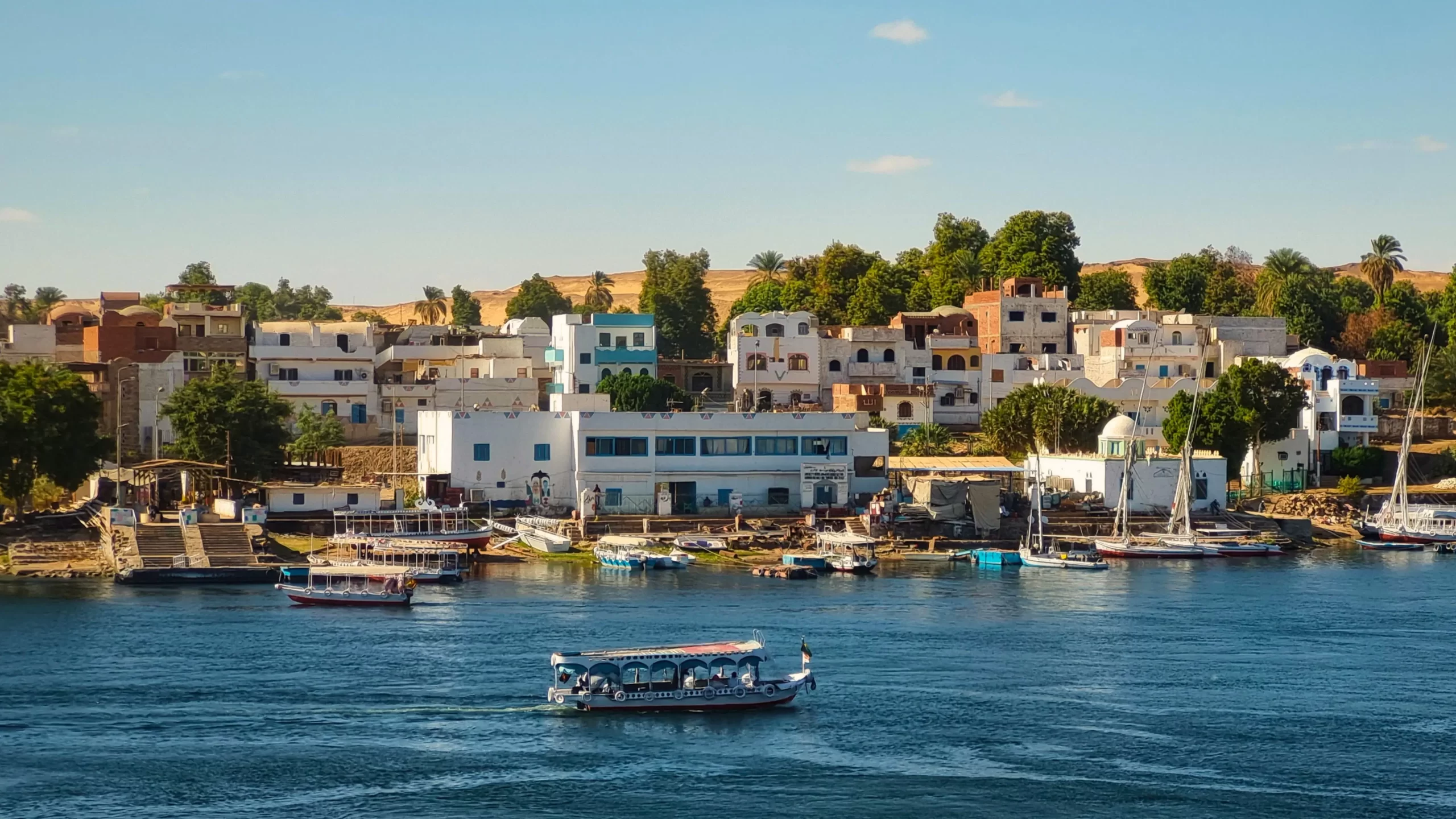
A visit to a Nubian village offers a unique opportunity to experience a side of Egypt rarely seen by visitors. Depending on your itinerary, you may visit communities such as Daraw, Al Kobanaya, or other villages located along the Nile between Aswan and Kom Ombo. These visits provide an introduction to Nubian culture, traditions, language, music, architecture, and daily life.
The Nubian civilization is one of the oldest in the Nile Valley. Archaeological evidence suggests that communities living in the region evolved from African Nile Valley civilizations as early as 7,000 BC, contributing to the development of Nubian, Ancient Egyptian, and Kushite civilizations. Throughout history, Nubia served as an important cultural bridge between sub-Saharan Africa and Egypt.
Today, Egypt’s Nubian communities are primarily located north of Lake Nasser near Aswan and Kom Ombo. Many families were displaced during the construction of the Old Aswan Dam and later the High Dam in the twentieth century. The creation of Lake Nasser submerged 44 Nubian villages, forcing thousands of people to leave their ancestral lands and relocate to newly established settlements.
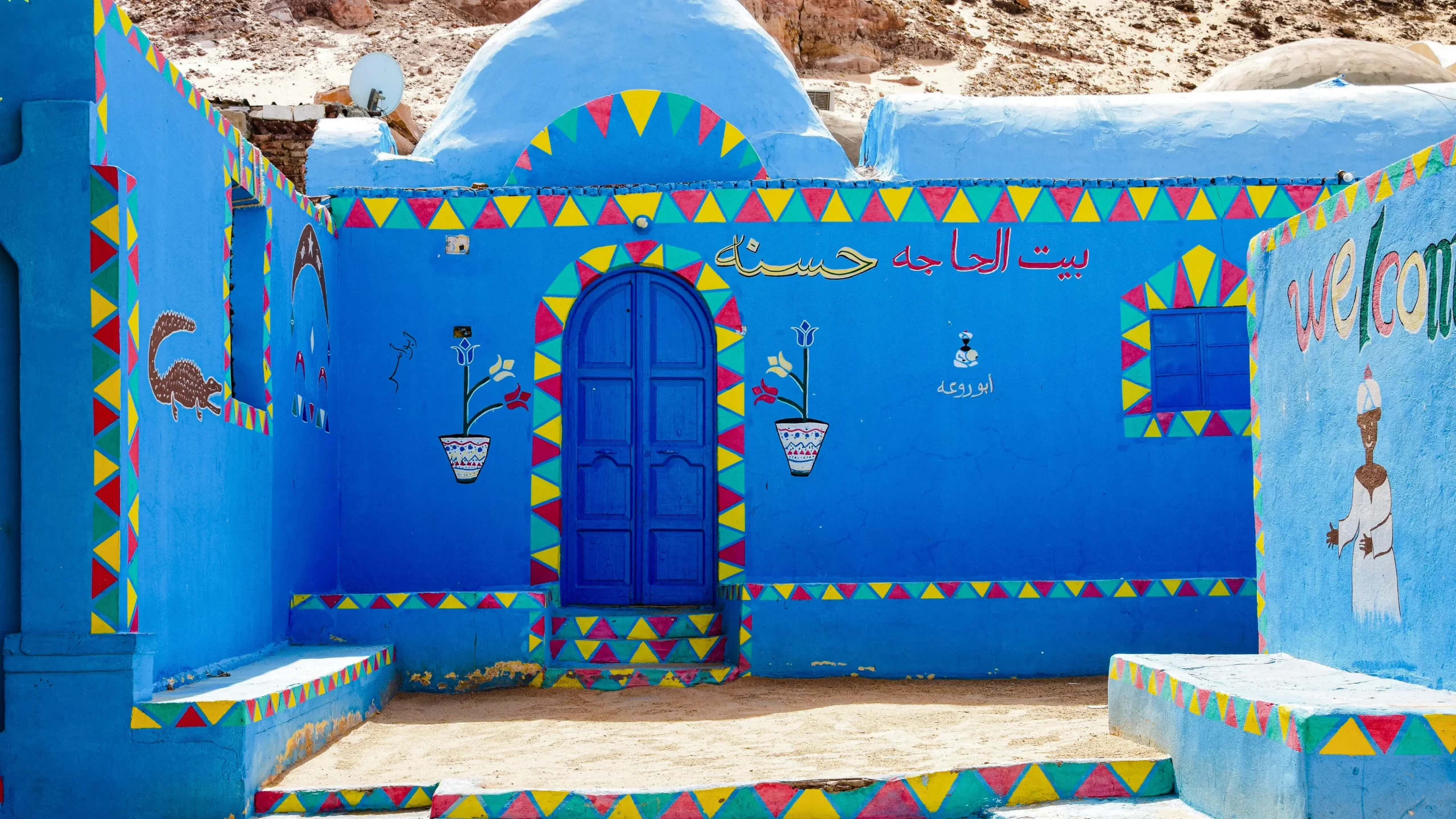
Despite these challenges, Nubian culture remains vibrant. Visitors can learn about traditional customs, local crafts, music, cuisine, and architecture while interacting directly with community members. Some villages remain largely untouched by mass tourism, providing a genuine cultural experience and insight into contemporary Nubian life.
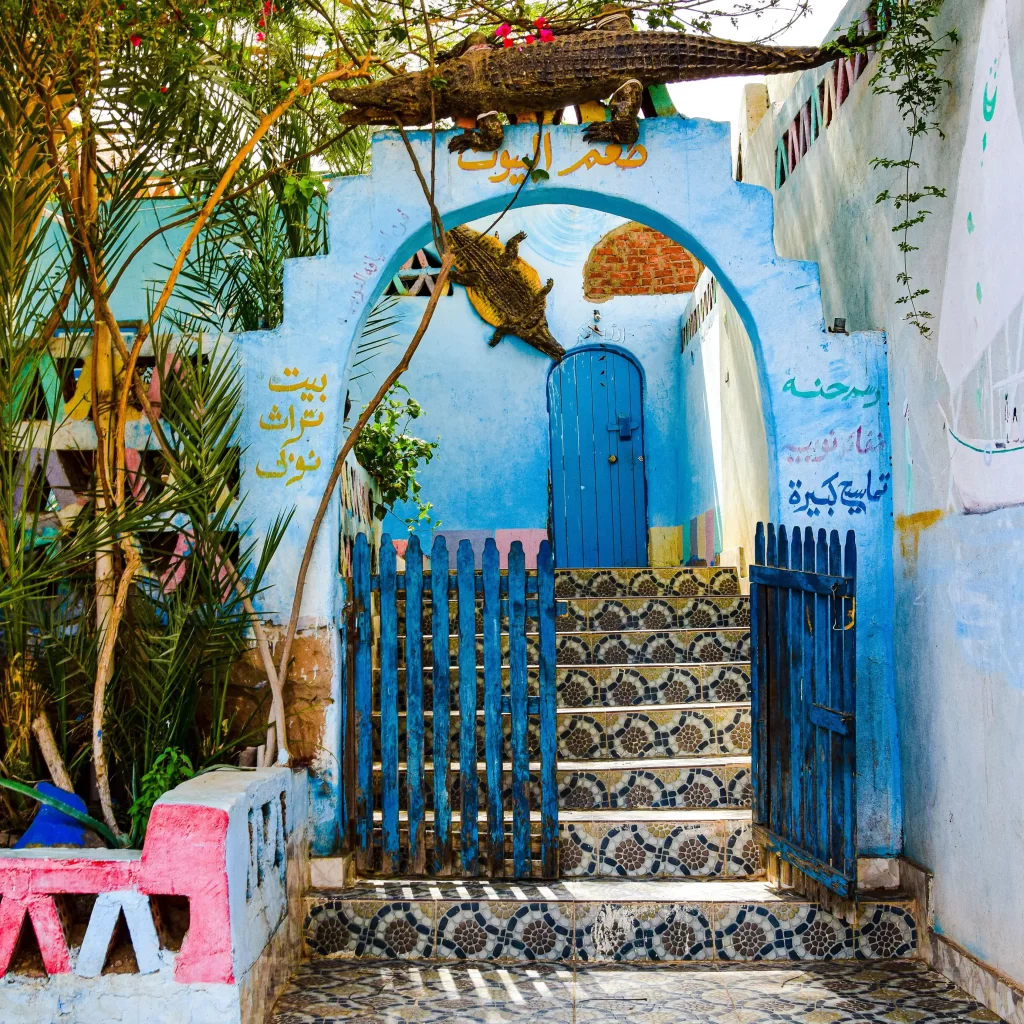
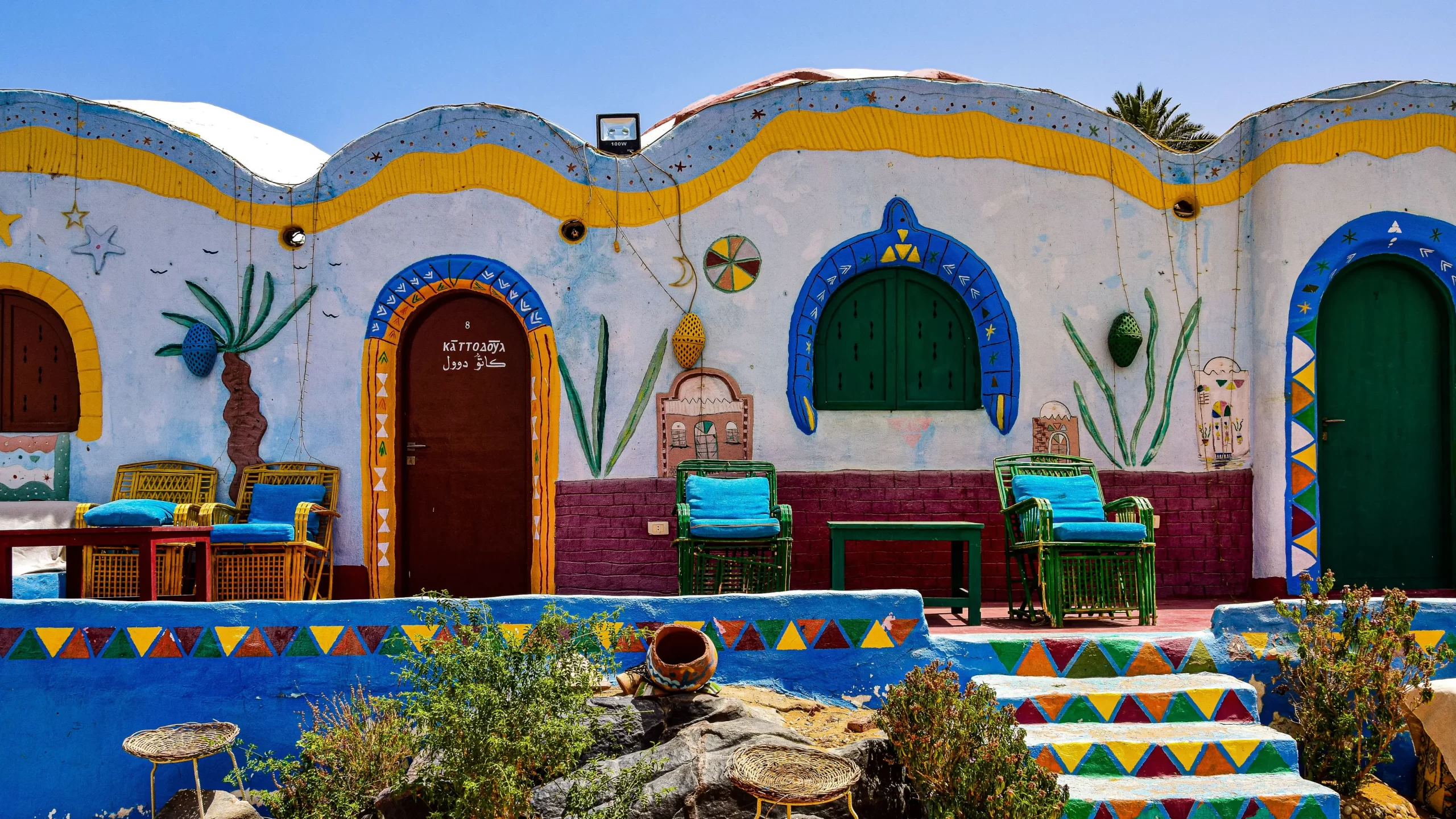
Depending on the village visited, guests may walk through colorful streets, visit local homes, learn basic Nubian and Arabic phrases, enjoy traditional hospitality, and discover the stories of a people whose heritage stretches back thousands of years. Some visits may also include historical sites connected to Nubia’s ancient past, including archaeological discoveries and important cultural landmarks.
The High Dam relocation
The construction of the Aswan High Dam in the 1960s resulted in the relocation of thousands of Nubians and the flooding of dozens of historic villages beneath Lake Nasser.
Living Nubian culture
Visitors can experience traditional music, crafts, architecture, food, and hospitality preserved through generations.
Ancient Nile heritage
Nubia was home to powerful kingdoms that influenced the history of Egypt and the wider Nile Valley for thousands of years.
“While many visitors know Nubia through colorful houses and riverside villages, its true significance lies in its role as one of Africa’s oldest civilizations and its enduring cultural resilience despite displacement and modernization.”
— Historical context note for guides
Visitor tips
Take time to interact with local residents and ask questions about daily life, traditions, and family history.
Dress respectfully, especially when visiting homes and community spaces.
Bring cash if you wish to purchase locally made crafts, textiles, or souvenirs.
Ask your guide about Nubian language, traditions, and the impact of the High Dam on local communities.
Photography is generally welcomed, but always ask permission before taking close-up photos of people.
Visit Information
Hours: Flexible depending on itinerary
Entry Fees: Usually included in tour programs
Best Time: Oct - Apr
Duration: 1–3h Avg
Access: Mostly Flat
Experience authentic Nubian culture during your Nile journey
Many of our Dahabiya itineraries include visits to Nubian villages, offering meaningful cultural encounters beyond Egypt’s famous monuments.
Nearby attractions
Daraw Town
Local Markets · Authentic Egyptian Life
15 km north
Philae Temple
Isis · Island setting
20 km south
Nubian Museum
History · Nubian Heritage Collection
Aswan City
Gharb Soheil Nubian Village
Nubian Culture · Colorful Riverside Community