

Home › Destinations › Nile Delta region › Rosetta (Rasheed)
City · Lower Egypt
Rosetta (Rasheed)
A historic Nile Delta city where the Nile meets the Mediterranean Sea, famous for the discovery of the Rosetta Stone that unlocked the secrets of Ancient Egyptian hieroglyphics. A peaceful destination filled with gardens, orchards, palm groves, and Ottoman-era architecture.
Approx. 1200+
Years old
About this attraction
Rosetta, known in Egypt as Rasheed, is one of the most historically significant cities in the Nile Delta. Its strategic location at the point where the Nile meets the Mediterranean Sea made it a major trade hub throughout medieval and early modern history, connecting Egypt with Europe and the wider Mediterranean world.
The city became world-famous due to the discovery of the Rosetta Stone in 1799, which played a crucial role in deciphering Ancient Egyptian hieroglyphics. This discovery transformed our understanding of ancient civilization and remains one of the most important archaeological breakthroughs in history.
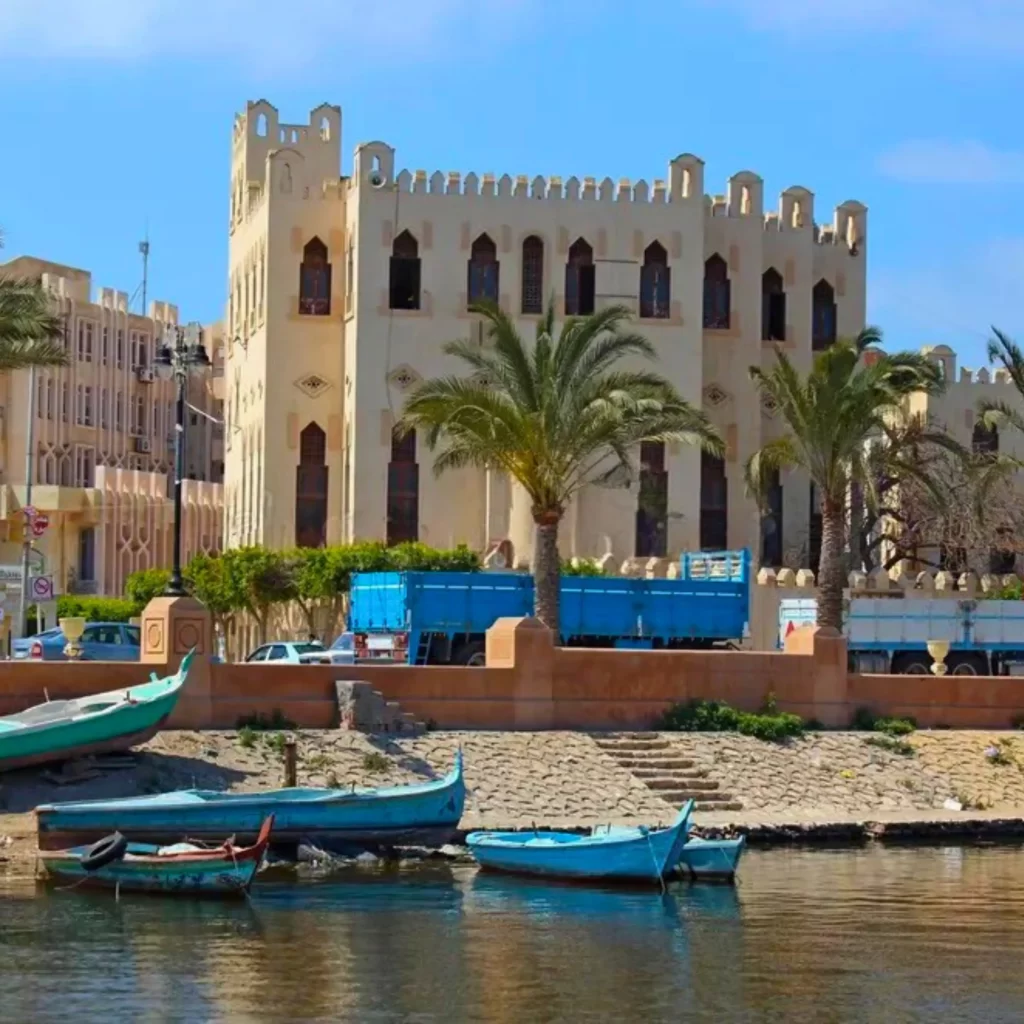
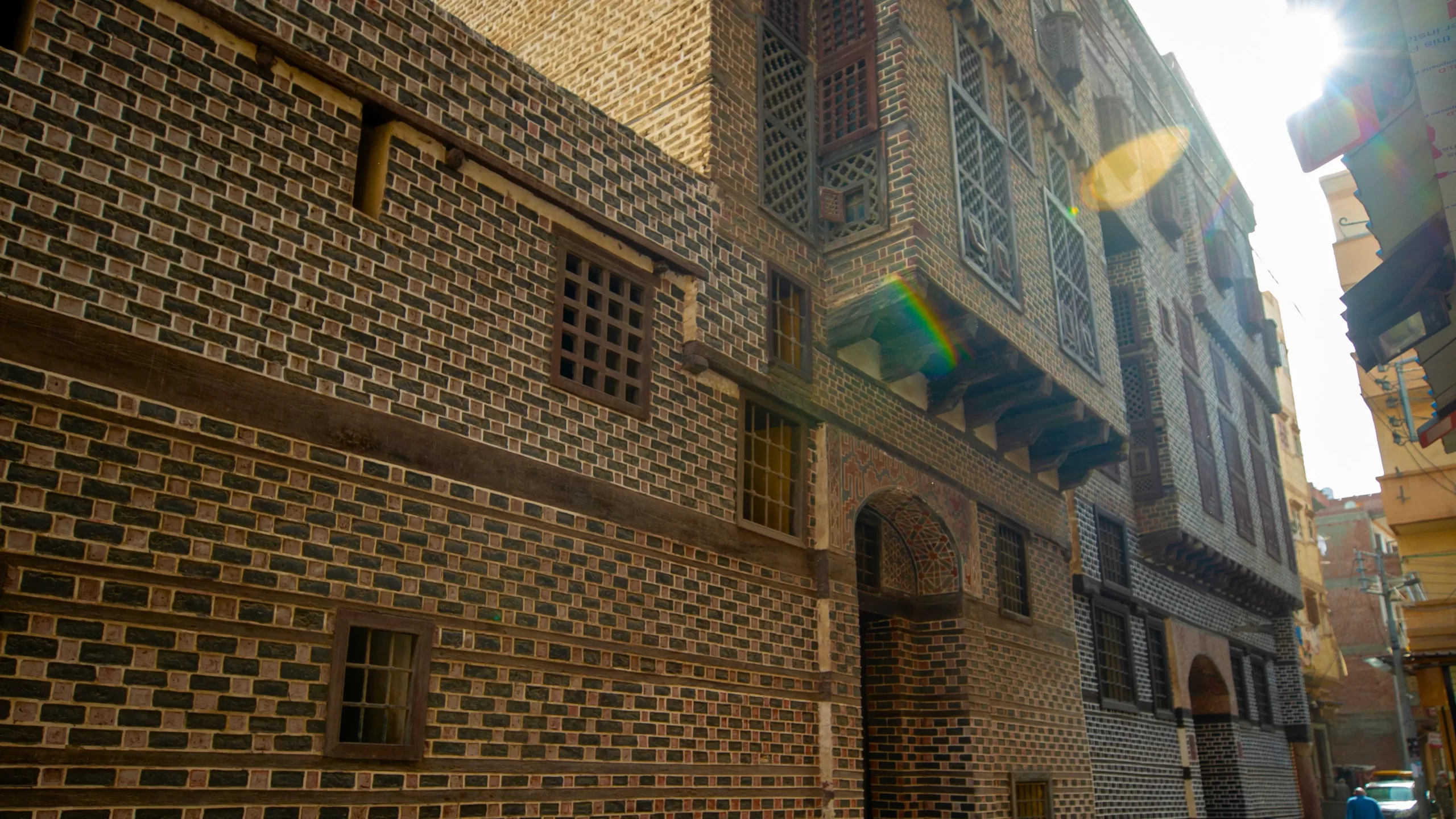
Rosetta is also known for its beautiful Ottoman-era architecture. The city preserves many historic houses, mosques, caravanserais, and traditional buildings that reflect its former prosperity. Walking through its old streets offers a glimpse into a quiet, authentic Egyptian town that contrasts with the bustle of larger cities.
Highlights include the Rosetta National Museum, once the governor’s residence, where visitors can learn about the city’s rich cultural and historical importance. A walk through the old market offers a chance to experience local life, traditional goods, and riverside culture.
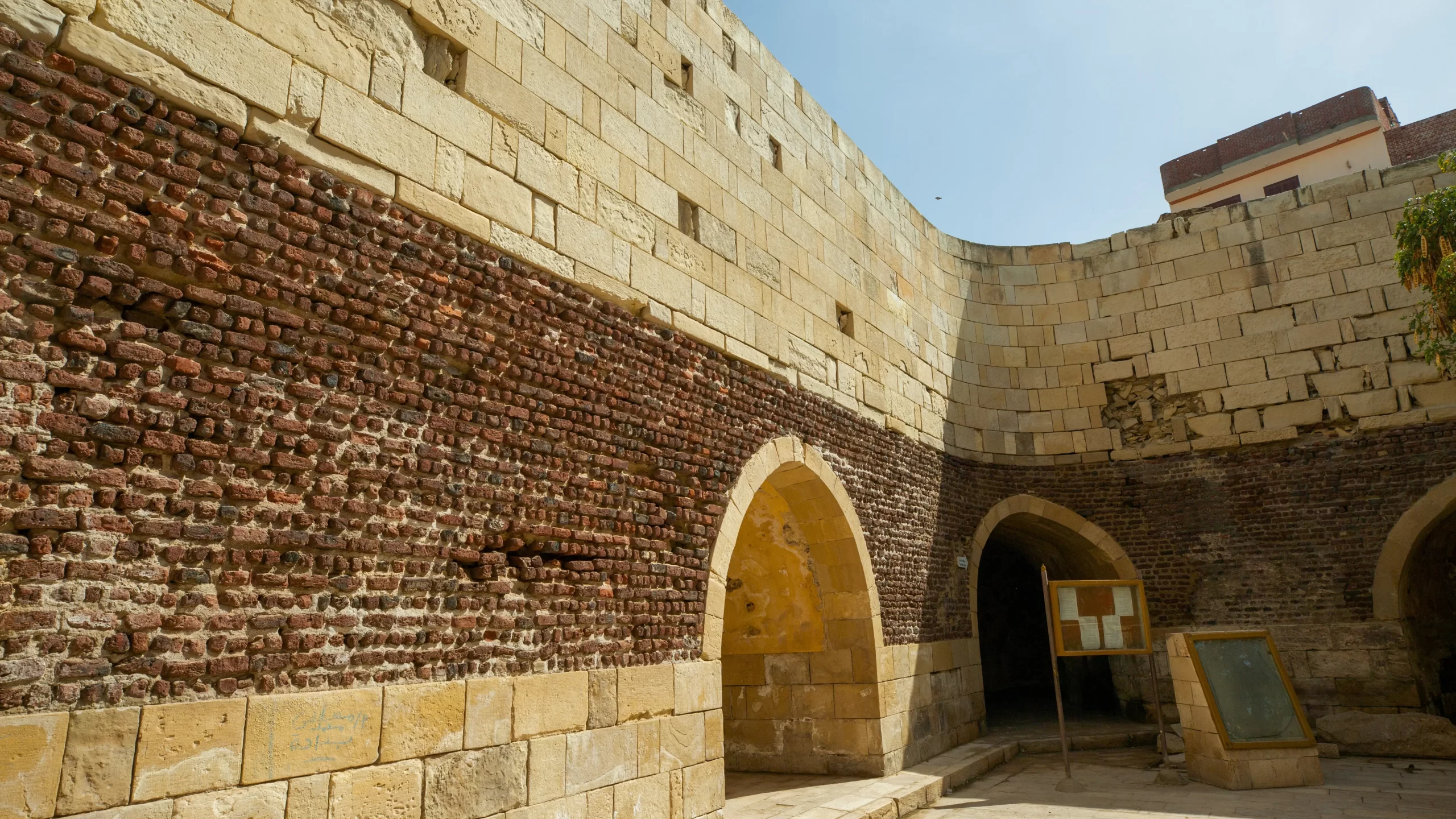
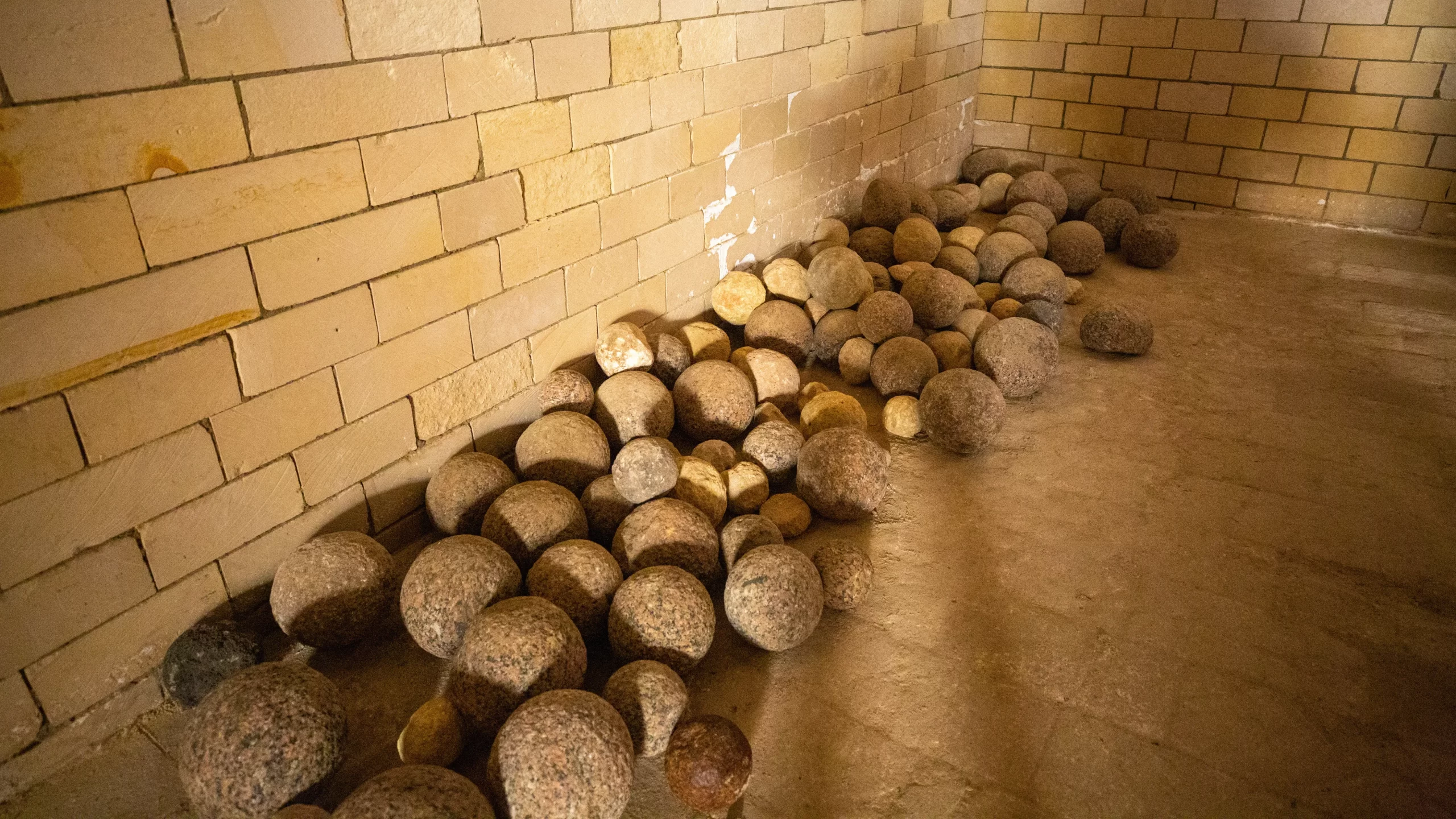
Qaitbay Fort, built in 1479, stands near the meeting point of the Nile and the Mediterranean, originally constructed to protect this strategic waterway. Another important landmark is Abu Mandour Shrine, dedicated to a respected local Muslim saint and still visited today by pilgrims and locals.
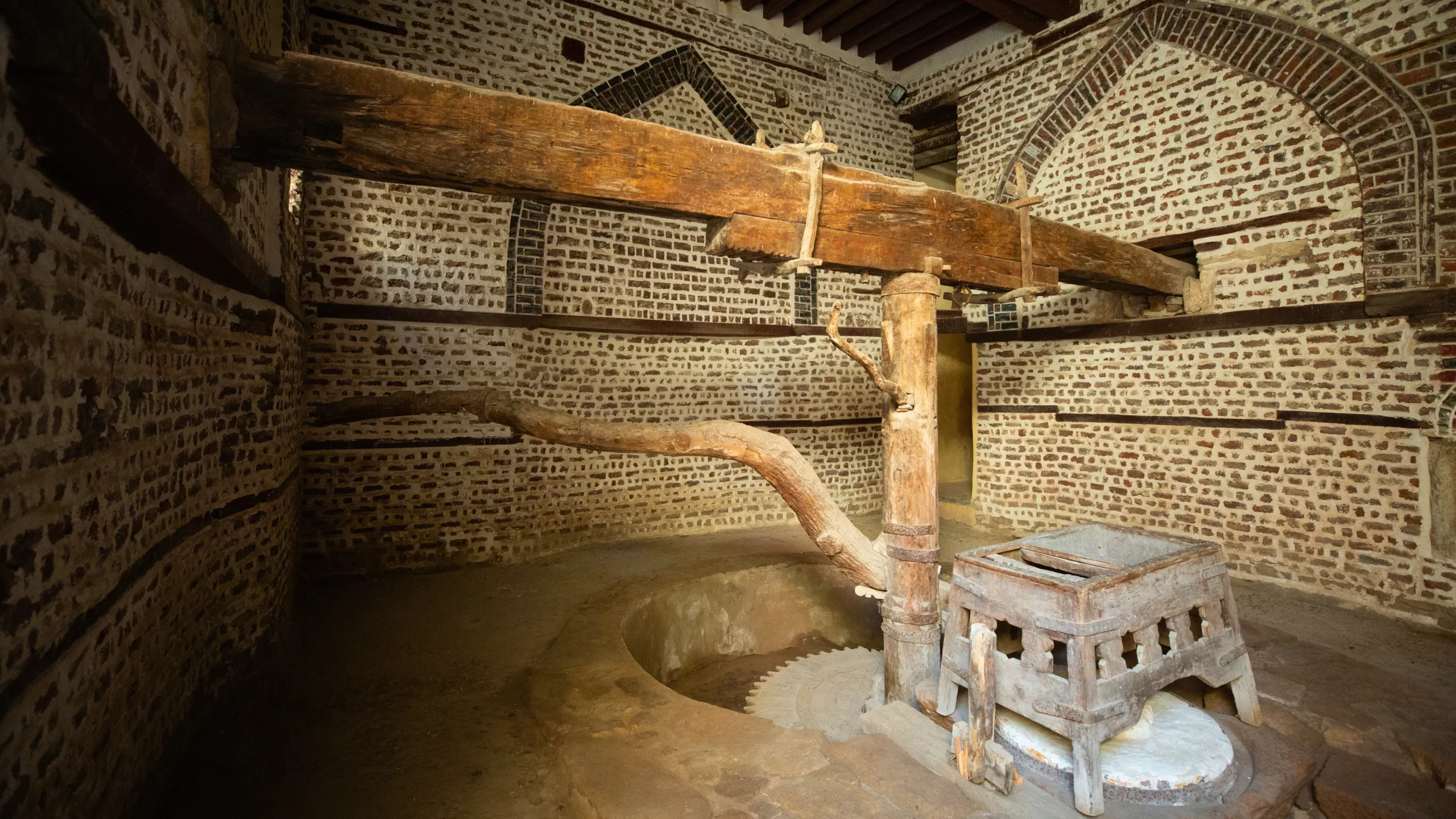
Depending on the itinerary, visits may also include interaction with local communities and experiences that highlight rural Delta life, agriculture, and traditional crafts.
Rosetta offers a peaceful atmosphere with lush greenery, orchards, and date palm plantations, making it one of the most relaxing cultural stops in northern Egypt.
Rosetta National Museum
Formerly the governor’s residence, showcasing artifacts and the city’s Ottoman heritage.
Old Market Experience
A traditional Egyptian market where visitors can explore local goods, spices, and crafts.
Qaitbay Fort
A 15th-century fortress guarding the Nile–Mediterranean entrance point.
Rosetta represents a living layer of Egypt’s Islamic and Ottoman past, preserved through its architecture and slow-paced lifestyle. Unlike major urban centers, the city maintains a strong connection to agriculture and river-based life.
— Cultural context & heritage
Visitor tips
Visit in the morning or late afternoon for softer light and a more comfortable walking experience
Wear comfortable shoes for exploring old streets and markets.
Bring water, especially in warmer months, as shade can be limited in open areas.
A local guide enhances the experience by explaining the historical layers of the city.
Don’t miss trying local tea or traditional snacks in small cafés near the market.
Visit Information
Hours: Open city (sites vary 9:00 – 17:00)
Entry Fees: Subject to Ministry of Tourism & Antiquities regulations
Best Time: Oct – Apr
Duration: 2–3h Avg
Access: Easy walking / flat terrain
Sail through the Nile Delta experience
Rosetta offers a rare glimpse into Egypt’s northern river culture, where history, trade, and daily life meet along the Nile and the Mediterranean coast.
Nearby attractions
Alexandria
Ancient capital of knowledge · Mediterranean city
60 km west
Idku Lake
Natural wetlands · Birdwatching area
30 km south
Abu Qir Bay
Historic naval site · Coastal scenery
40 km west
Abu Mandour Shrine
Important local pilgrimage site overlooking the Nile.