

Home › Attractions › Upper Egypt › Abydos Temple
Temple · Upper Egypt
Abydos Temple
One of the most sacred sites in ancient Egypt, Abydos was believed to be the gateway to the afterlife and the spiritual center of the cult of Osiris.
Approx. 3,300
Years old
About this attraction
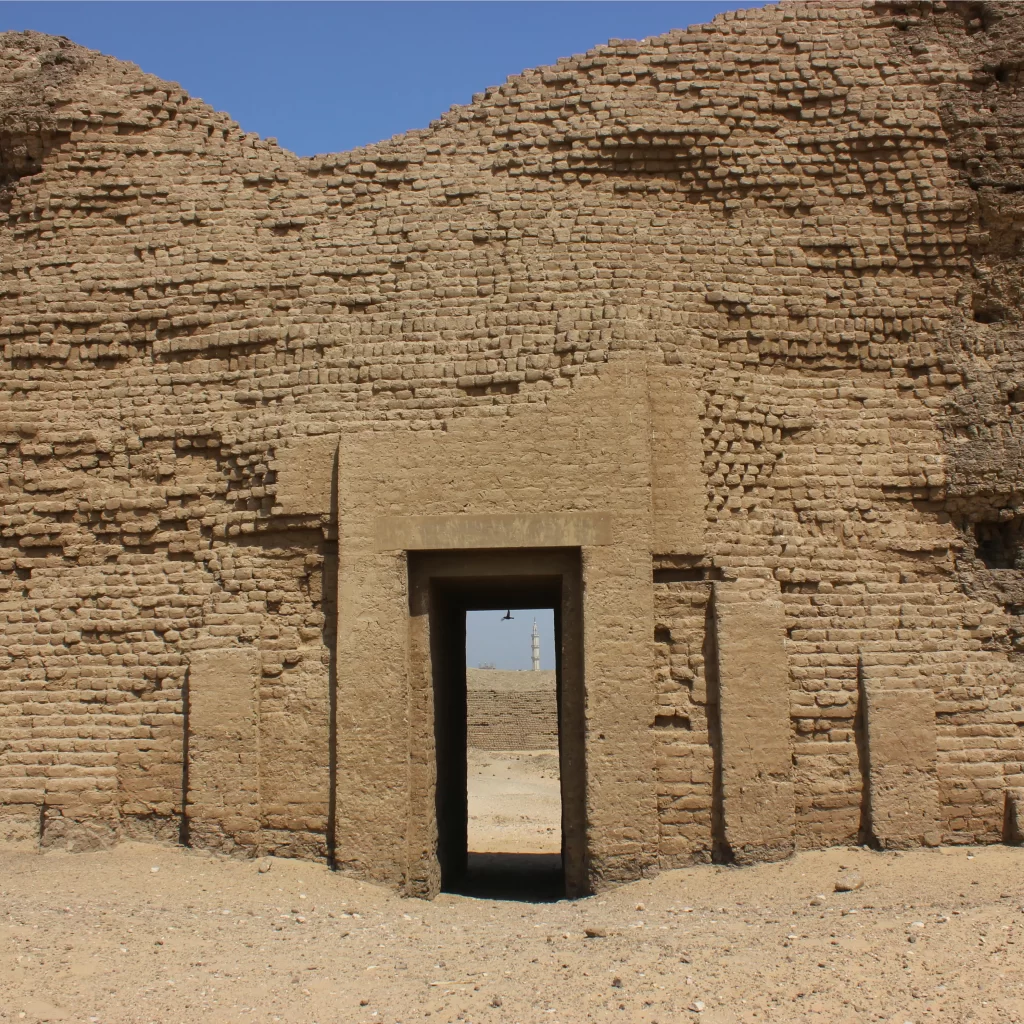
Abydos is one of Egypt’s oldest and most important archaeological sites. Long before the rise of the great capitals of Memphis and Thebes, Abydos was a sacred city and burial ground. Ancient Egyptians regarded it as the spiritual gateway to the afterlife and the principal center of worship for Osiris, god of resurrection and eternal life.
From prehistoric times, the area served as a necropolis, and many of Egypt’s earliest kings were buried nearby at Umm el-Qaab. During the Old Kingdom and later periods, pilgrims traveled from across Egypt to honor Osiris and participate in religious ceremonies. Many hoped to be buried near the god’s sacred tomb, believing this would improve their chances of resurrection in the next life.
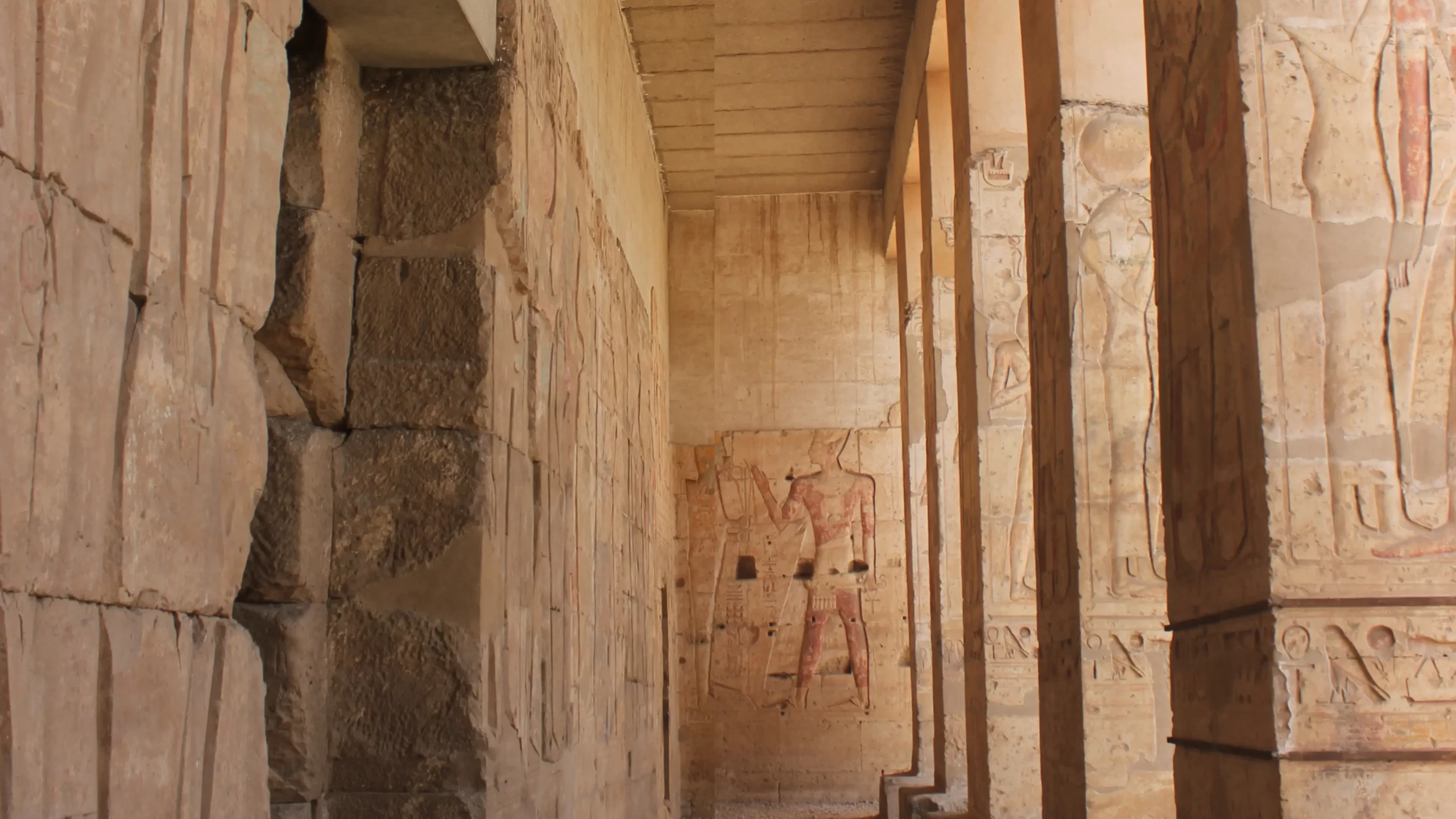
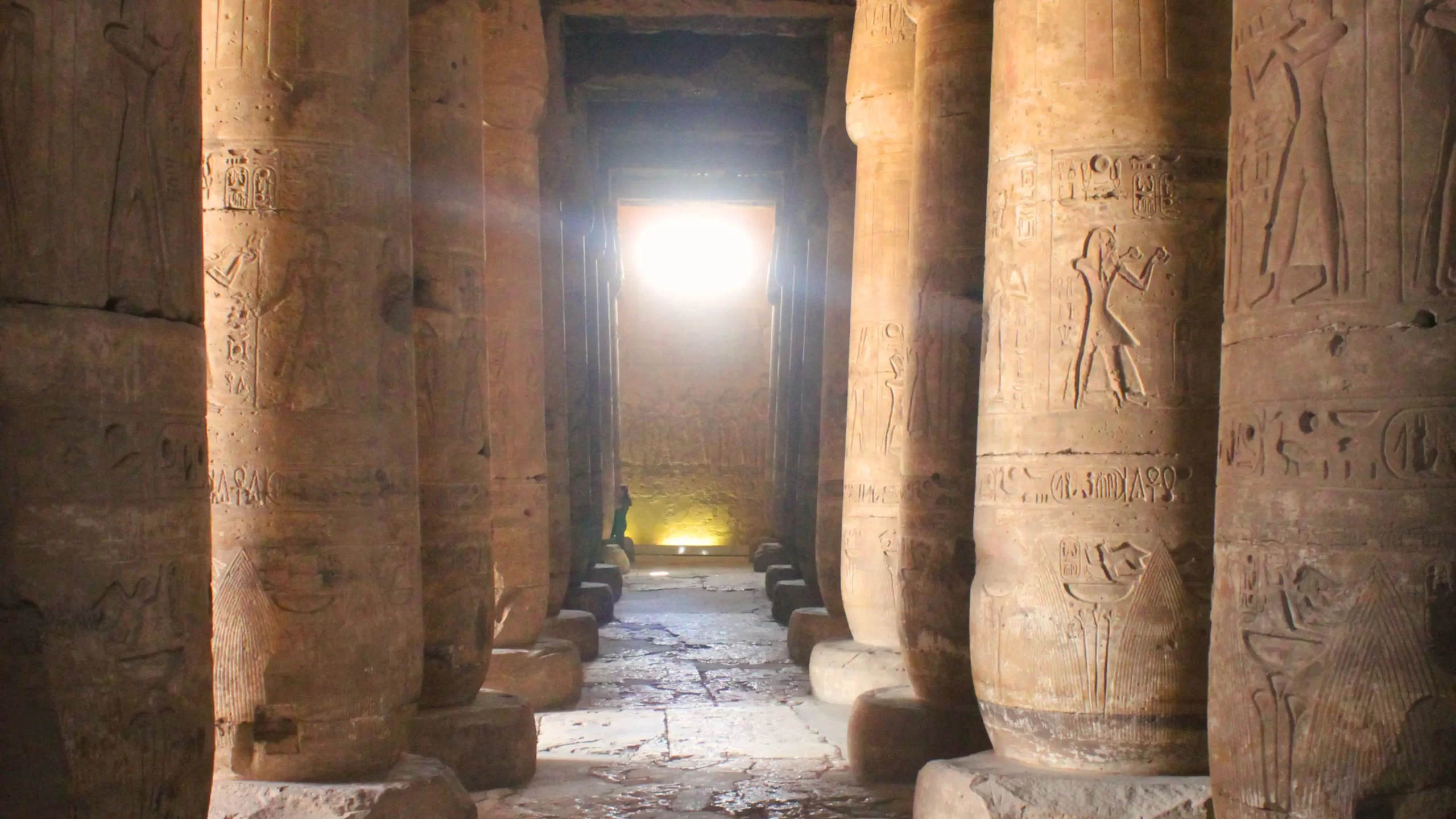
The most famous monument at Abydos is the Temple of Seti I, one of the finest examples of New Kingdom architecture and relief carving. Built primarily from limestone, the temple features an unusual L-shaped design and was completed by Seti’s son, Ramesses II. Its walls are decorated with beautifully preserved scenes of rituals, offerings, and interactions between the king and the gods.
The temple contains seven sanctuaries dedicated to Osiris, Isis, Horus, Amun-Re, Re-Horakhty, Ptah, and the deified Seti I. One of its most famous features is the Abydos King List, an invaluable historical record that lists many of Egypt’s pharaohs from the earliest dynasties through the reign of Seti I.
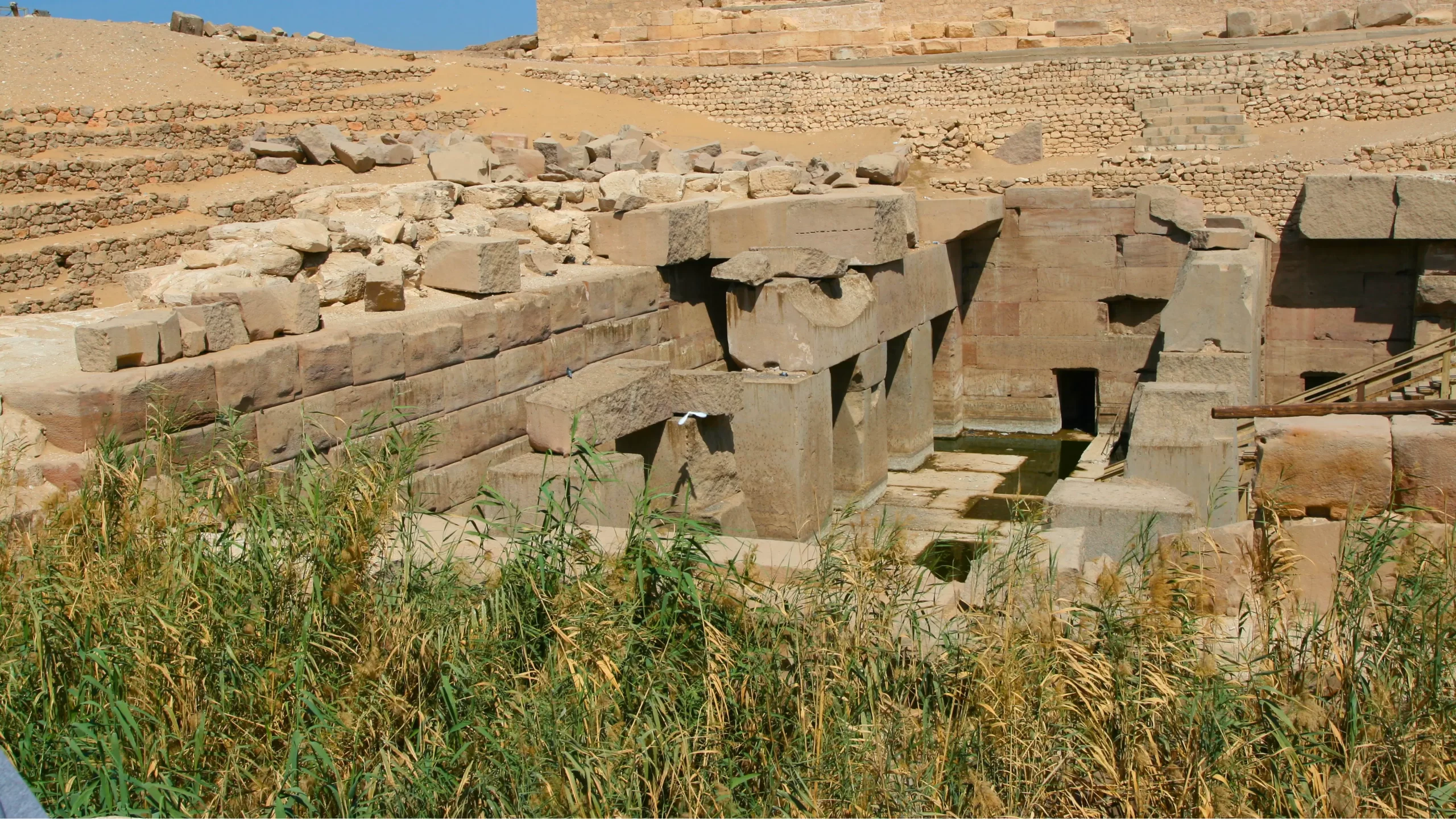
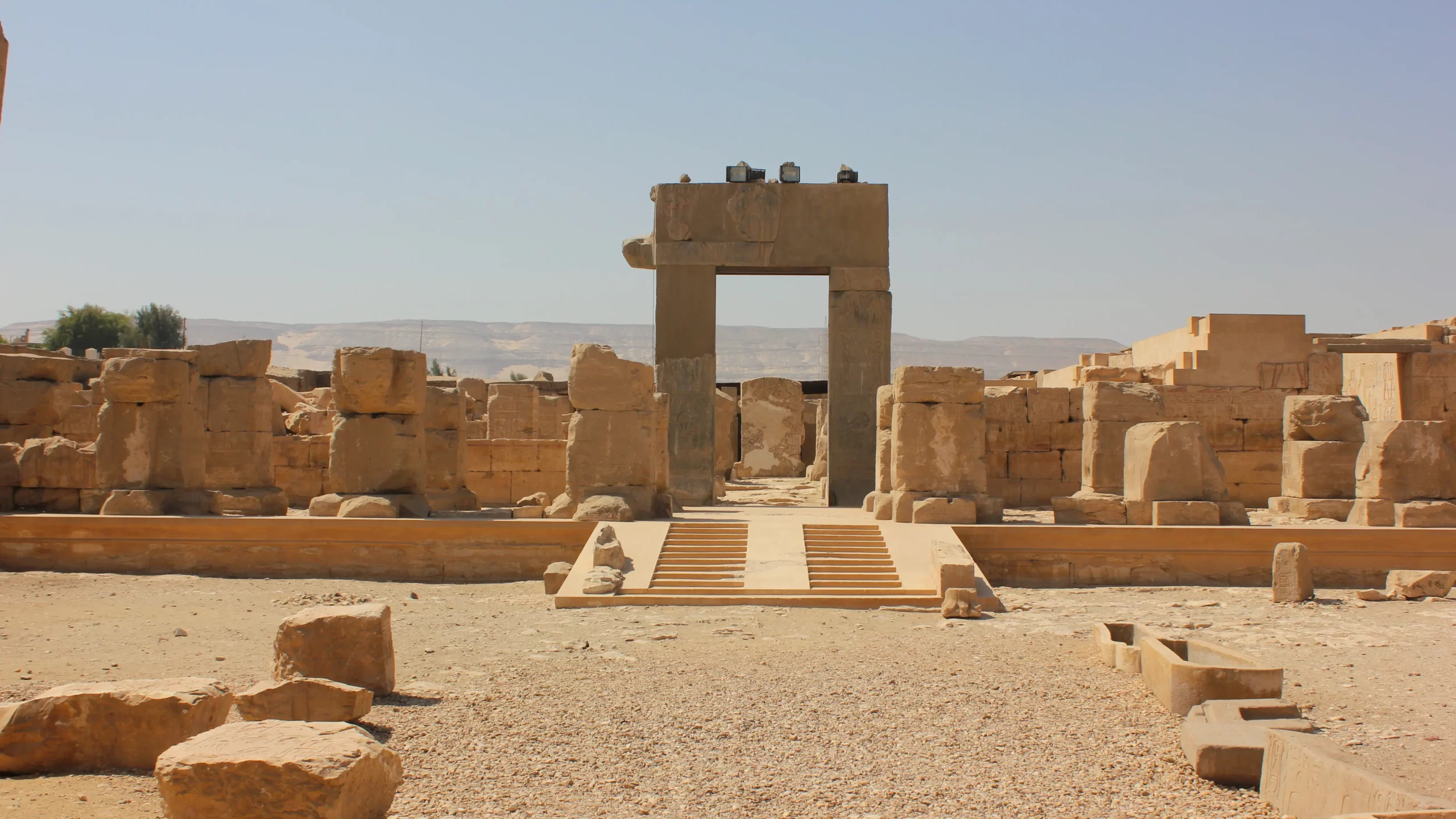
Nearby stands the mysterious Osirion, a symbolic tomb associated with Osiris, as well as the remains of the Temple of Ramesses II and the royal cemeteries of Egypt’s earliest rulers.
Today, Abydos remains one of Egypt’s most fascinating archaeological treasures and a place where visitors can experience the spiritual heart of ancient Egyptian civilization.
The Abydos King List
One of the most important historical inscriptions in Egypt, the King List records the names of pharaohs from the earliest dynasties to Seti I and remains a vital source for reconstructing Egyptian chronology.
The Osirion
Located behind the Temple of Seti I, this enigmatic underground structure was designed to symbolize the tomb of Osiris and continues to intrigue archaeologists and visitors alike.
Sacred Center of Osiris
For over two thousand years, Abydos was Egypt's most important pilgrimage destination, attracting worshippers who sought a symbolic connection with the god of resurrection and eternal life.
“Abydos was not simply a temple complex; it was the spiritual heart of ancient Egypt, where kings, priests, and pilgrims sought a connection with Osiris and the promise of rebirth in the afterlife.”
— Historical context note for guides
Visitor tips
Allow plenty of time to explore the Temple of Seti I, as its reliefs are among the best preserved in Egypt.
Don't miss the famous Abydos King List located inside the temple.
Visit early in the morning for cooler temperatures and fewer visitors.
Bring water and sun protection, especially during the summer months.
Photography enthusiasts should spend time in the hypostyle halls where the carvings are exceptionally detailed.
Visit Information
Hours: 6:00 – 17:00
Entry Fees: According to current Ministry of Tourism & Antiquities rates
Best Time: October – April
Duration: 2–3 Hours Average
Access: Mostly Flat
Discover Abydos with Dahabiya Nile Sailing
Many of our extended Nile itineraries offer excursions to Abydos, allowing you to explore one of Egypt’s most sacred ancient sites while enjoying the comfort and authenticity of a traditional Dahabiya journey.
Nearby attractions
Dendera Temple
Hathor · Best preserved temple ceiling
Approx. 70 km north
Temple of Seti I
Masterpiece of New Kingdom art
Within Abydos complex
Osirion
Sacred underground monument
Within Abydos complex
Umm el-Qaab
Royal Tombs · Early Dynastic Kings