

Home › Destinations › Aswan region › Wadi Shatt El-Rigal
Archaeological Site · Upper Egypt
Wadi Shatt El-Rigal
A remote desert valley filled with ancient inscriptions, rock art, and mysterious traces of Egypt’s early history. One of the least-visited archaeological sites along the Nile.
Approx. 4,000
Years old
About this attraction
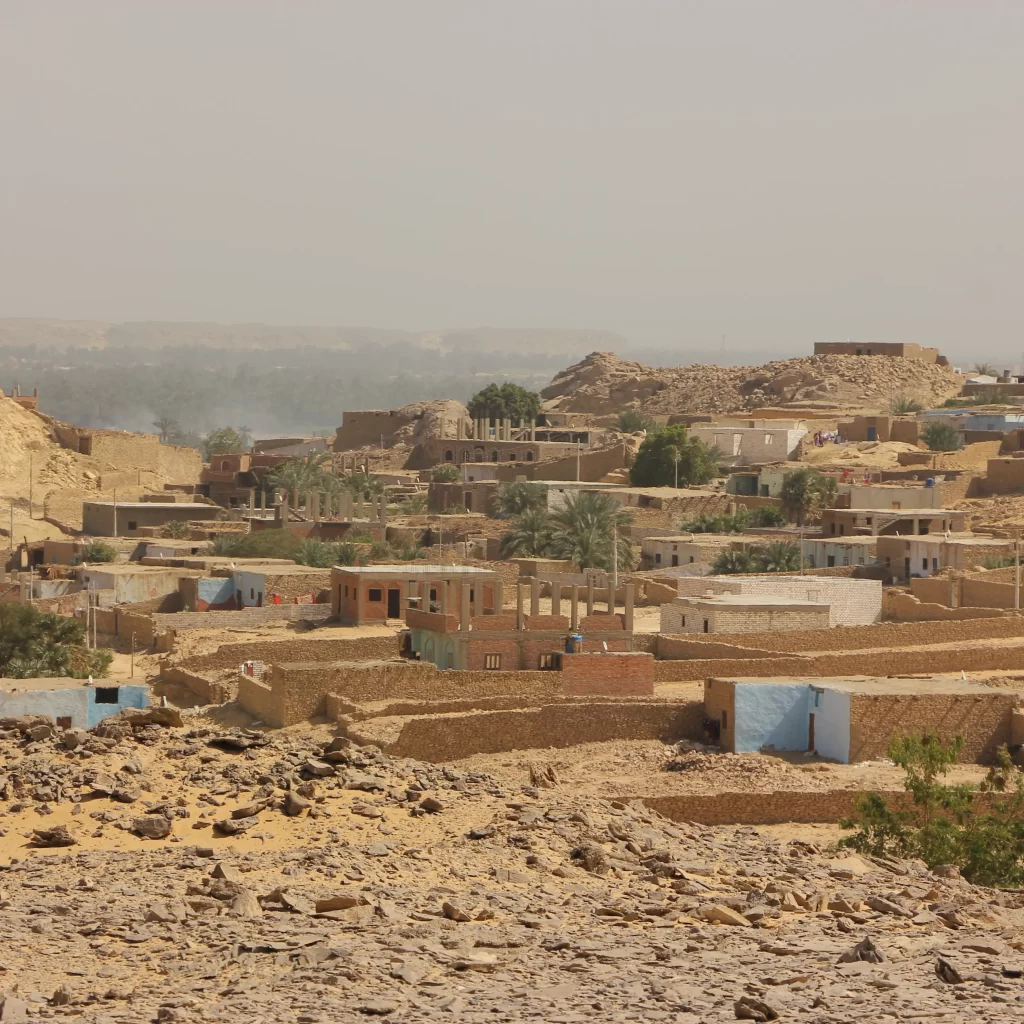
Wadi Shatt El-Rigal is a remarkable desert valley located north of Gebel el Silsila on the east bank of the Nile. Hidden away from the usual tourist routes, it offers visitors a rare opportunity to explore an archaeological landscape that has fascinated researchers for decades.
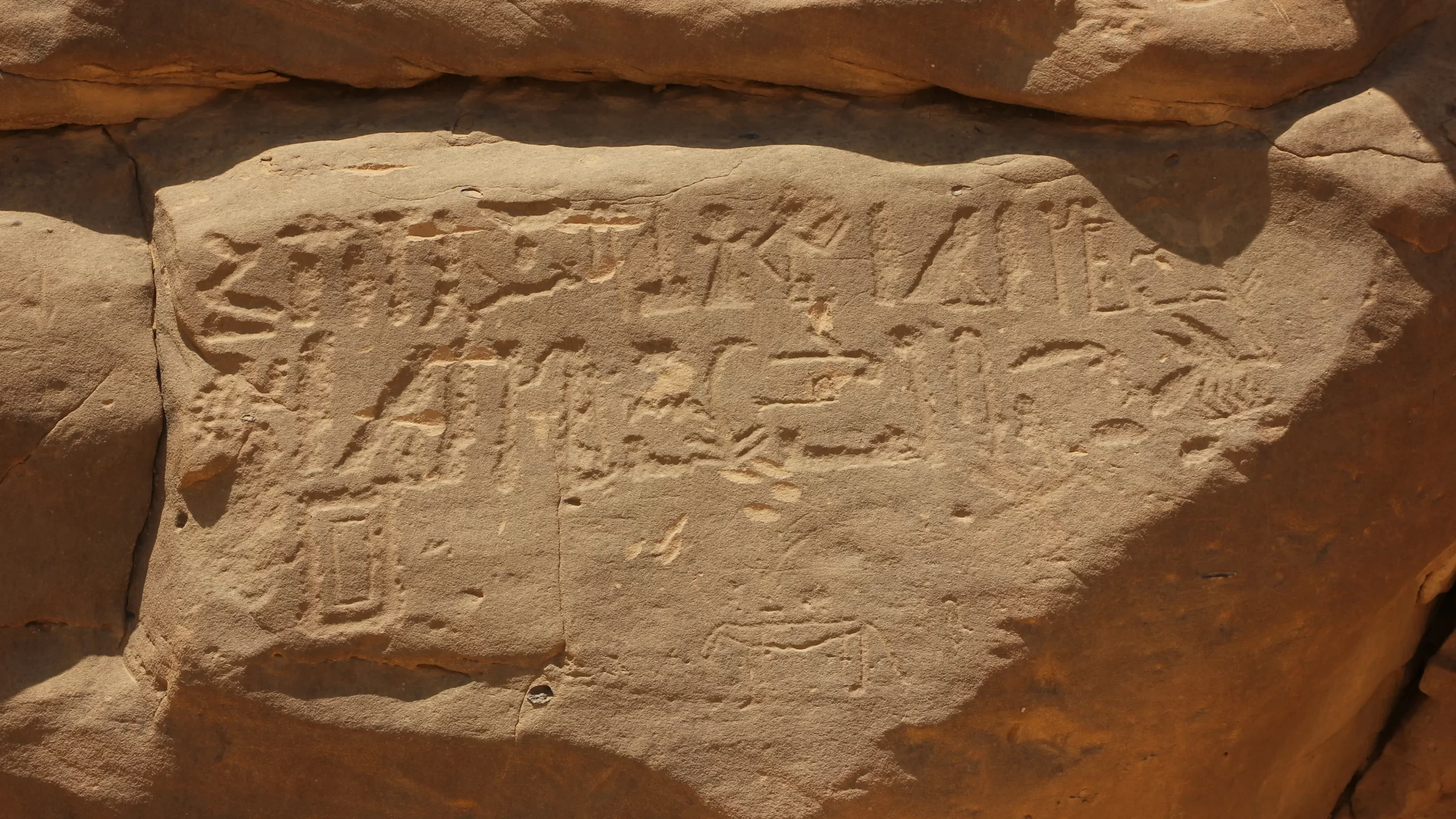
The site is famous for its abundance of petroglyphs, rock drawings, and inscriptions dating primarily to the late Eleventh Dynasty. Among the most significant carvings are reliefs depicting King Mentuhotep II and King Mentuhotep III, rulers who played a crucial role in reunifying Egypt after the First Intermediate Period.
Archaeologists have documented more than 800 inscriptions and rock drawings throughout the valley. These records include royal expeditions, religious symbols, names of officials, and traces left by travelers who passed through the area thousands of years ago. The reason such a concentration of inscriptions exists at this remote location remains a subject of scholarly debate.
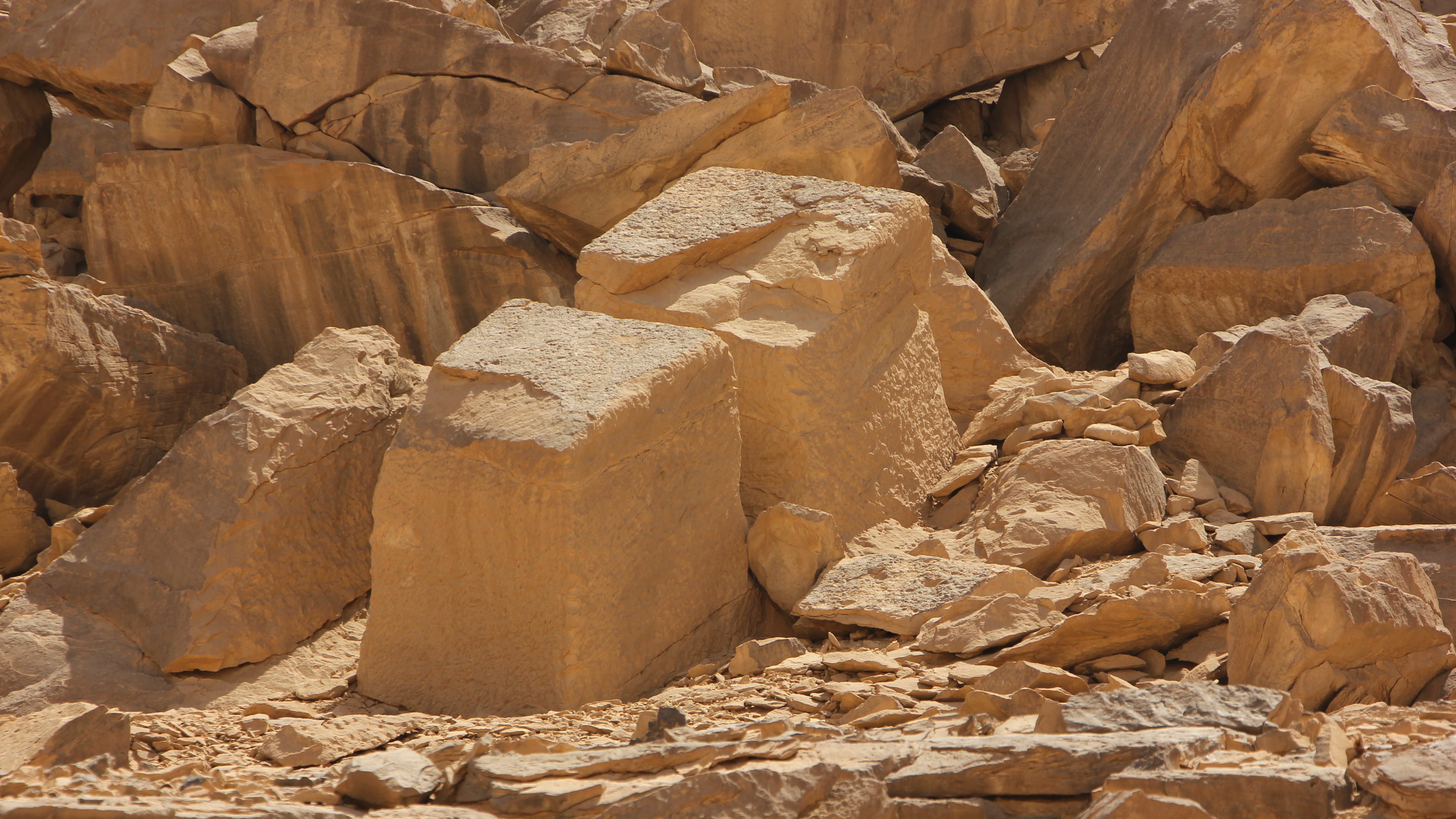
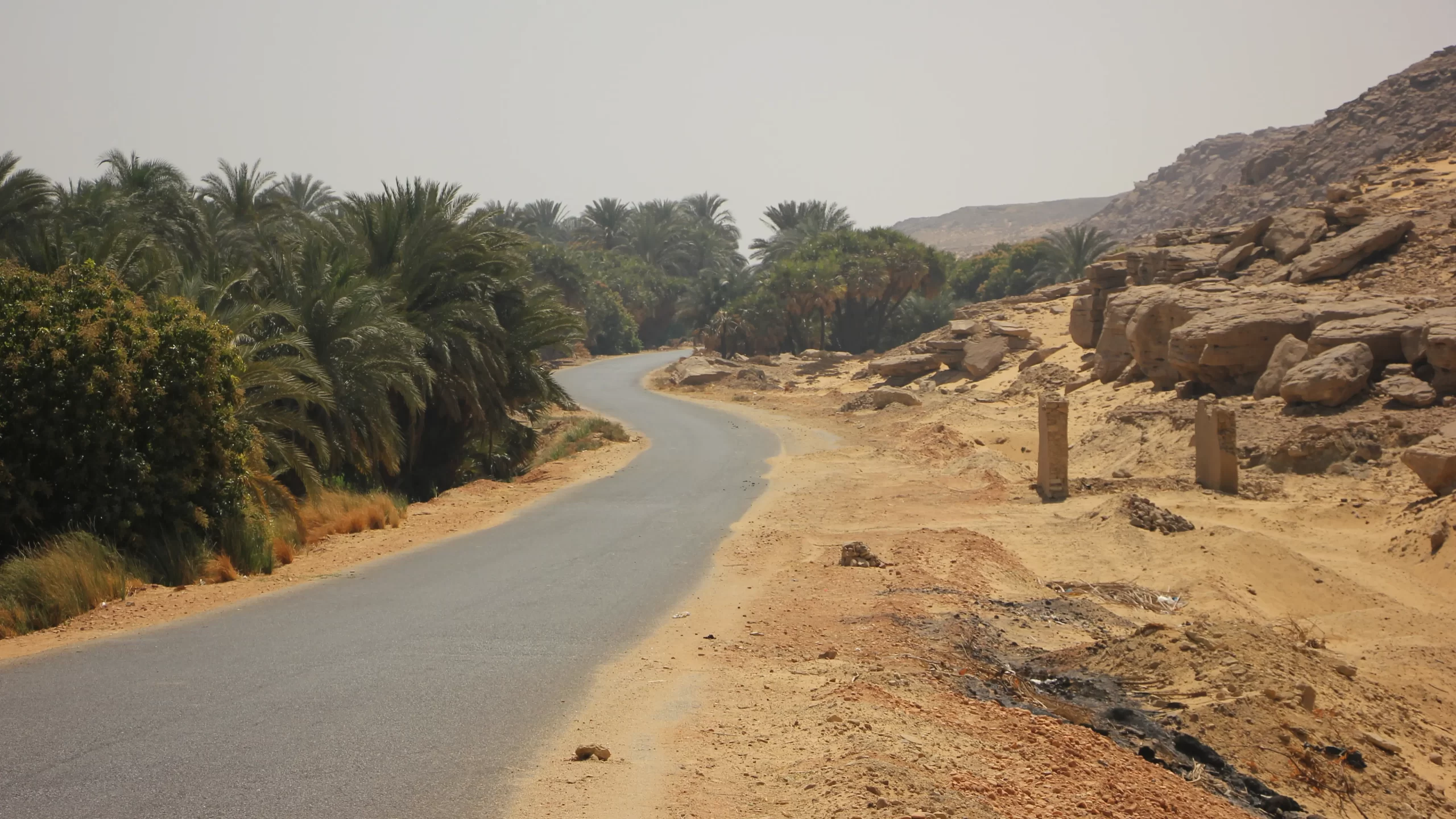
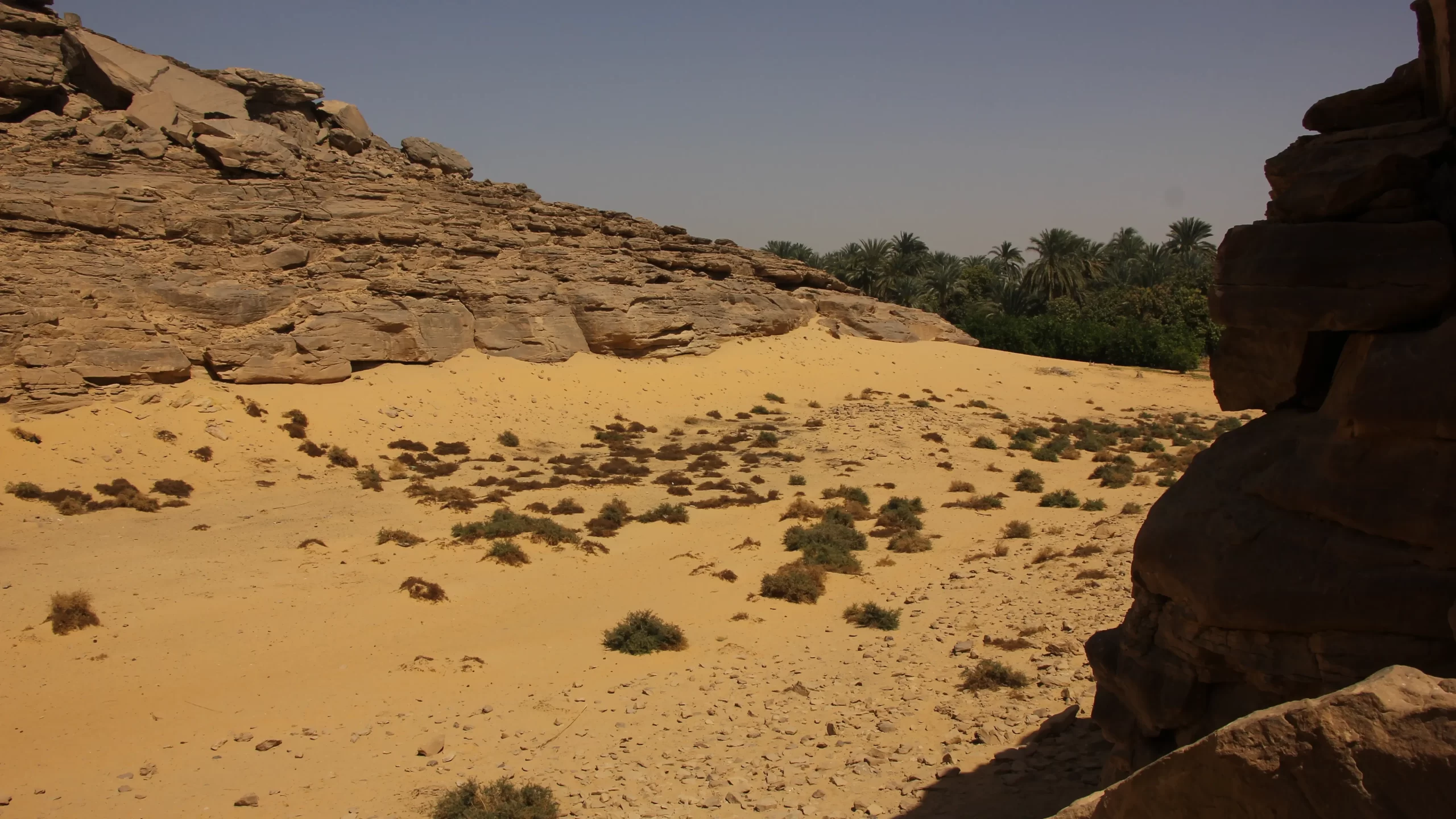
The valley itself is an excellent example of an Egyptian desert wadi. Two rugged stone cliffs rise on either side, separated by a floor of fine golden sand. Millions of years ago, when Egypt experienced a wetter climate, this valley served as one of the Nile’s tributaries. As a result, prehistoric communities once inhabited the area, leaving behind traces of their presence long before the pharaohs arrived.
Today, Wadi Shatt El-Rigal remains one of Upper Egypt’s hidden archaeological treasures, offering visitors a unique combination of natural beauty, ancient history, and ongoing archaeological discovery.
Please note: Visits are subject to access restrictions and ongoing archaeological excavations. Depending on the day and current research activities, access may not always be possible.
Mentuhotep Reliefs
Among the most famous carvings are the reliefs of Mentuhotep II and Mentuhotep III, key rulers of the Eleventh Dynasty who reunified Egypt and ushered in the Middle Kingdom.
More Than 800 Inscriptions
Researchers have documented hundreds of inscriptions, petroglyphs, and rock drawings, making the valley one of the richest open-air archives of ancient Egyptian desert exploration.
Prehistoric Landscape
The valley was formed millions of years ago when rainfall was much more common in Egypt. Evidence suggests that prehistoric communities once lived and traveled through the area long before the pharaonic period.
“The concentration of inscriptions at Wadi Shatt El-Rigal continues to intrigue researchers. Its remote location raises important questions about ancient travel routes, royal expeditions, and the significance of desert landscapes in Egyptian history.”
— Historical context note for guides
Visitor tips
Visits depend on current archaeological work and excavation schedules.
Wear comfortable walking shoes suitable for sand and rocky terrain.
Bring water, a hat, and sunscreen, especially during warmer months.
Photography is excellent during the early morning and late afternoon when the desert light is soft.
Ask your guide about the inscriptions of Mentuhotep II and III, which are among the site's most important historical features.
Visit Information
Hours: Access varies by archaeological activity
Entry Fees: Usually included within organized visits when access is permitted
Best Time: October – April
Duration: 1–2 Hours Average
Access: Uneven desert terrain and sandy walking paths
Explore Hidden Archaeology Along the Nile
Wadi Shatt El-Rigal is one of the lesser-known stops available on select Dahabiya itineraries. Discover a landscape where ancient travelers, kings, and explorers left their mark thousands of years ago.
Nearby attractions
Gebel el Silsila
Ancient quarry · Rock chapels
5 km south
Kom Ombo Temple
Sobek & Horus
25 km south
El Hegz Village
Local culture · Community visit
Nearby Dahabiya stop
Daraw market
Traditional market · Local culture