

Home › Destinations › Nile Valley › Gebel el-Silsila
Quarry Site · Upper Egypt
Gebel el-Silsila
Ancient sandstone quarries, rock-cut shrines, and some of the most scenic views along the Nile. A fascinating stop revealing where much of ancient Egypt’s temple stone originated.
Approx. 4,000
Years old
About this attraction
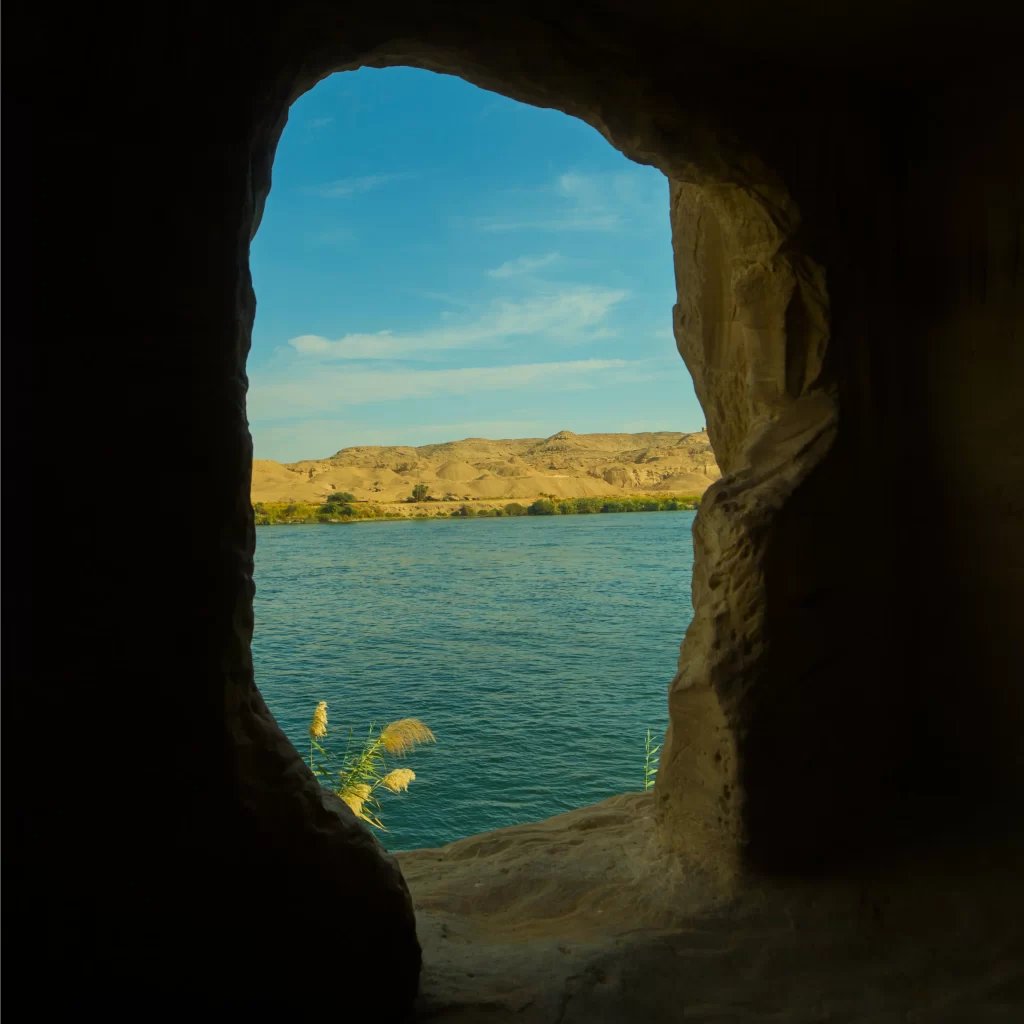
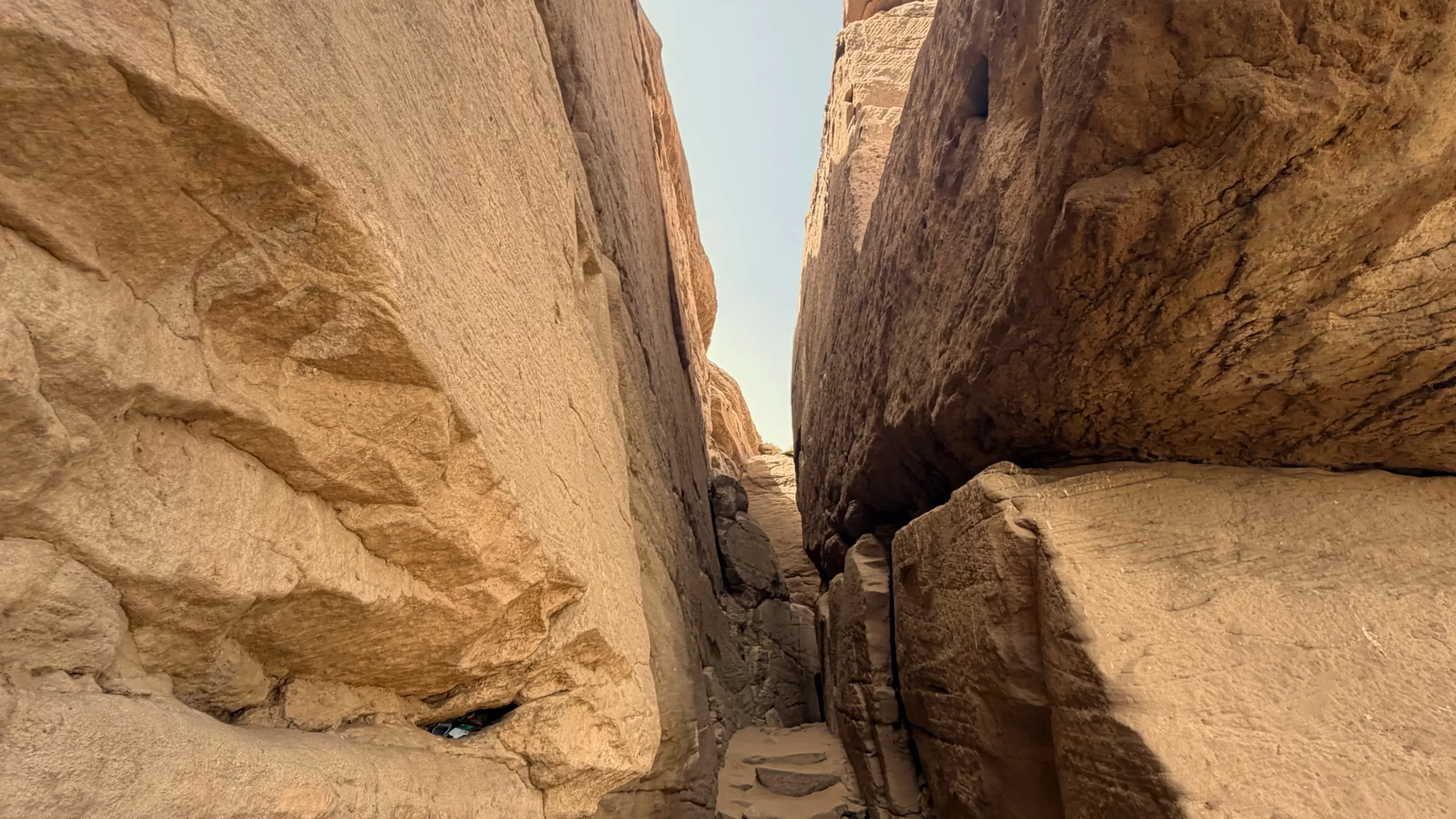
Gebel el-Silsila occupies one of the narrowest points of the Nile Valley, where sandstone cliffs rise dramatically above the river on both banks. Located between Edfu and Kom Ombo, this remarkable site served as Egypt’s most important sandstone quarry for more than two thousand years.
Large quantities of sandstone extracted from Gebel el-Silsila were transported north to construct temples, monuments, and statues throughout Upper Egypt, particularly in Thebes (modern Luxor). Quarrying began during the Middle Kingdom and continued extensively through the New Kingdom, Ptolemaic, and Roman periods.
During the New Kingdom, Gebel el-Silsila became the largest sandstone quarry in Egypt and also developed religious significance. Ancient Egyptians associated the site with the annual Nile inundation, viewing it as a sacred location connected to the life-giving waters of the river.
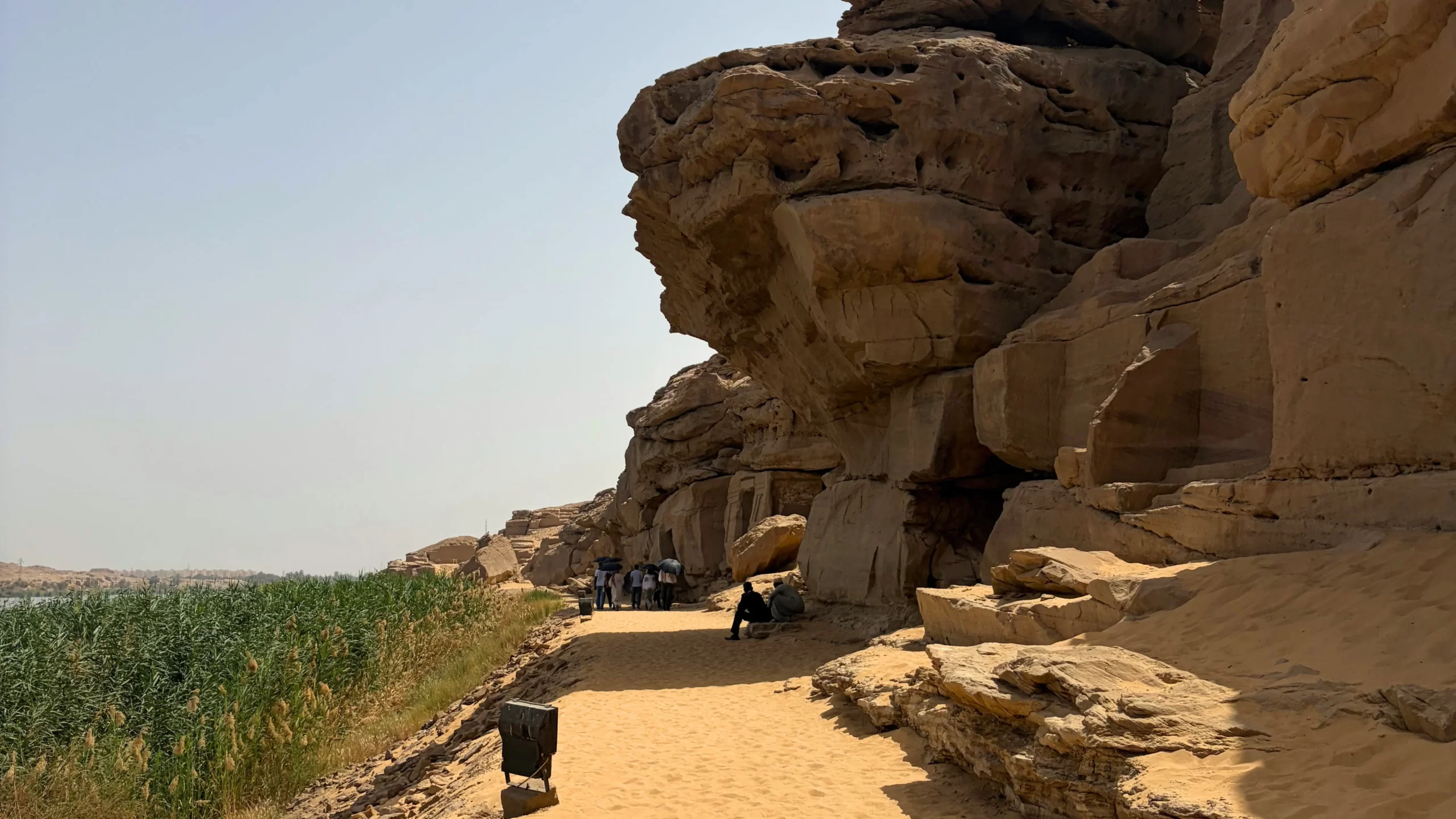
Arriving by Dahabiya offers a unique perspective of the cliffs and quarries before stepping ashore to explore the western bank. Walking among the sandstone formations, visitors discover shrines, inscriptions, and evidence of the immense workforce that once operated here.
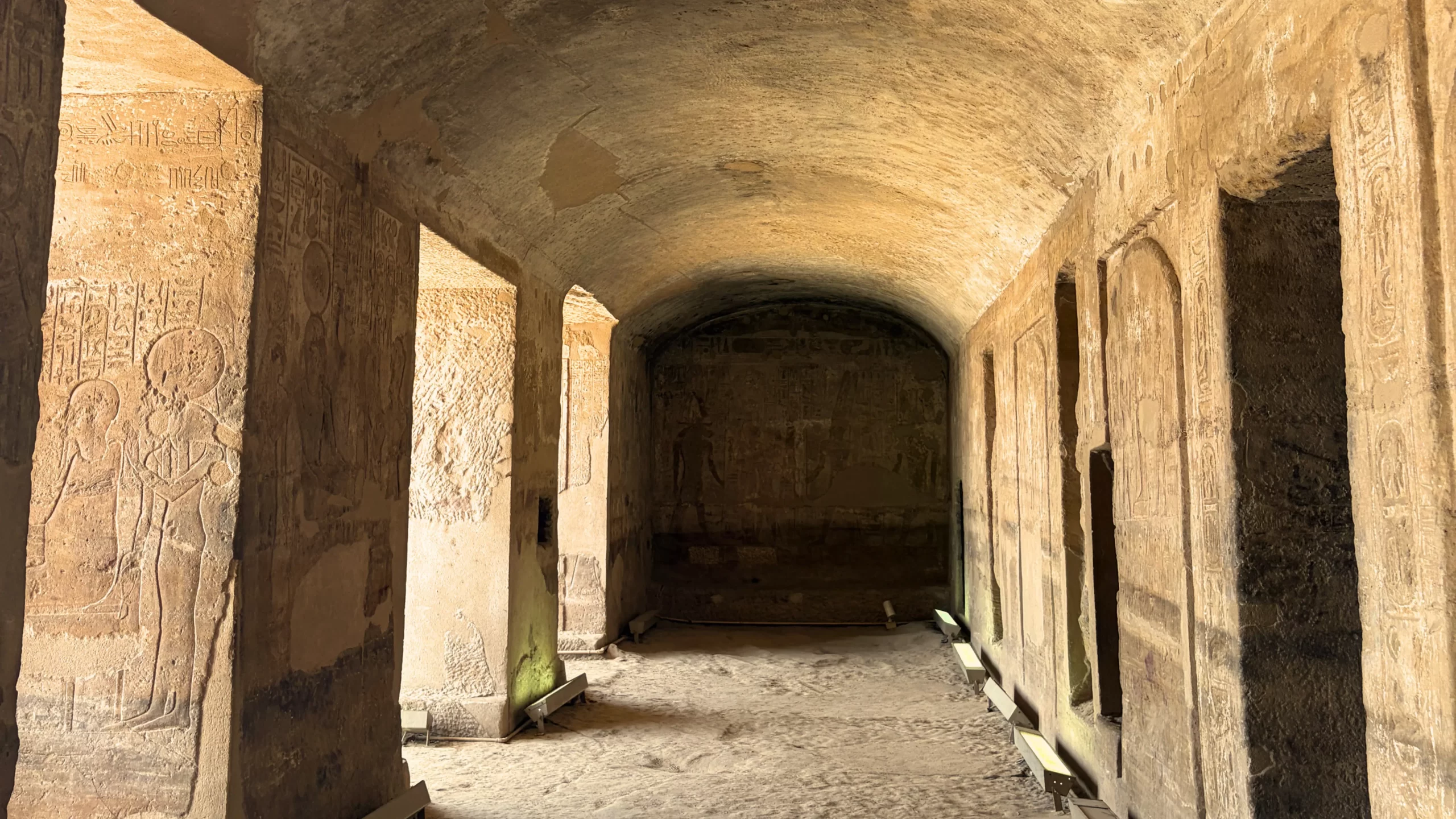
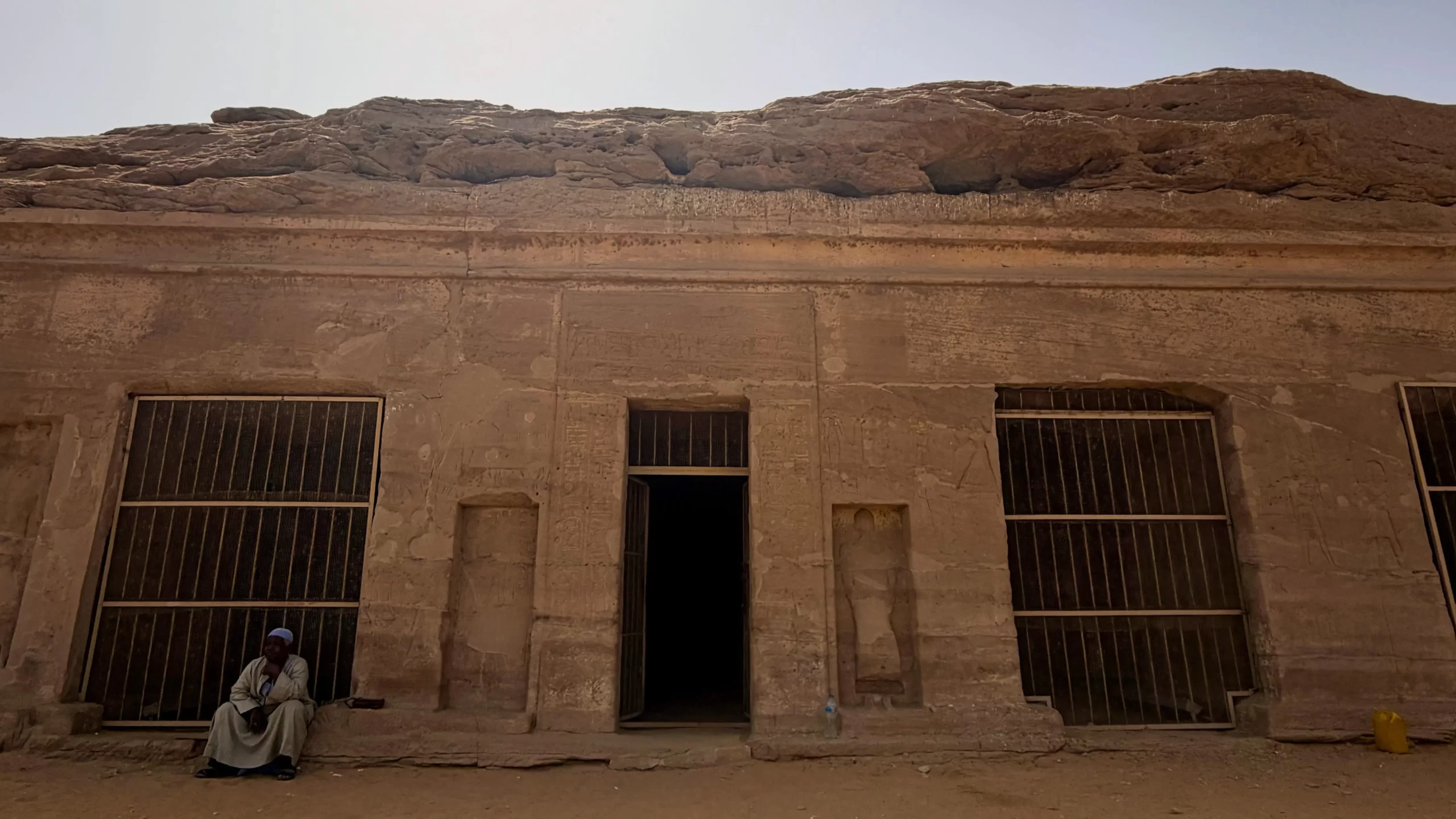
One of the highlights is the Speos of Horemheb, a rock-cut chapel featuring a sanctuary with seven statues, including representations of Amun and Pharaoh Horemheb. Along the cliff face are dozens of rock shrines created by officials and private individuals of the 18th Dynasty. Many still preserve carvings, inscriptions, and traces of artwork that have survived for over three millennia.
The vast quarry itself provides insight into the scale of ancient Egyptian construction projects. Visitors can still see unfinished quarry faces, mason’s marks, workers’ graffiti, and traces of the techniques used to extract enormous sandstone blocks.
The site is also known for its stunning scenery. The contrast of golden cliffs, desert sands, and the flowing Nile creates some of the most picturesque landscapes along the river. After exploring on foot, sailing away aboard the Dahabiya offers yet another unforgettable view of the ancient quarries from the water.
Ancient Sandstone Quarries
The primary source of sandstone used in many of Egypt's greatest temples, including monuments in Luxor and throughout Upper Egypt.
Rock-Cut Shrines
More than 30 shrines carved into the cliffs by officials, priests, and nobles during the New Kingdom.
Speos of Horemheb
A remarkable rock-cut chapel containing statues, reliefs, and inscriptions dedicated to Amun and Pharaoh Horemheb.
“For over two millennia, Gebel el-Silsila supplied the stone that built much of Upper Egypt’s monumental architecture. It was both an industrial center and a sacred landscape where quarry workers, officials, and priests left their mark on the cliffs.”
— Historical context note for guides
Visitor tips
Wear comfortable walking shoes, as the terrain includes sand, rocky paths, and uneven surfaces.
Bring water, particularly during warmer months, as shade is limited.
A hat and sunscreen are recommended year-round.
The best photographs are taken from the Dahabiya when approaching or departing the site.
Children often enjoy the sandy slopes near the quarry, which provide a fun place to explore.
Visit Information
Hours: Daylight hours
Entry Fees: Subject to official Ministry of Tourism pricing
Best Time: October – April
Duration: 1–2 Hours Average
Access: Moderate walking on sand and rocky terrain
Explore Gebel el-Silsila by Dahabiya
One of the most rewarding stops on the Nile between Edfu and Kom Ombo. Arriving by traditional sailing boat offers the same river perspective that travelers have enjoyed for centuries.
Nearby attractions
Edfu Temple
Horus · Best Preserved Temple
55 km north
Kom Ombo Temple
Dual Temple · Sobek & Horus
20 km south
El Hegz Village
Traditional Village · Local Life & Culture
15 km south
Daraw market
Local Culture · Camel Trade