
Home › Destinations › Aswan region › Kom Ombo
Temple · Upper Egypt
Kom Ombo Temple
A unique riverside temple dedicated to two gods, Sobek the Crocodile God and Horus the Elder. Famous for its perfect symmetry, remarkable reliefs, and connection to the Nile.
Approx. 2,200
Years old
About this attraction
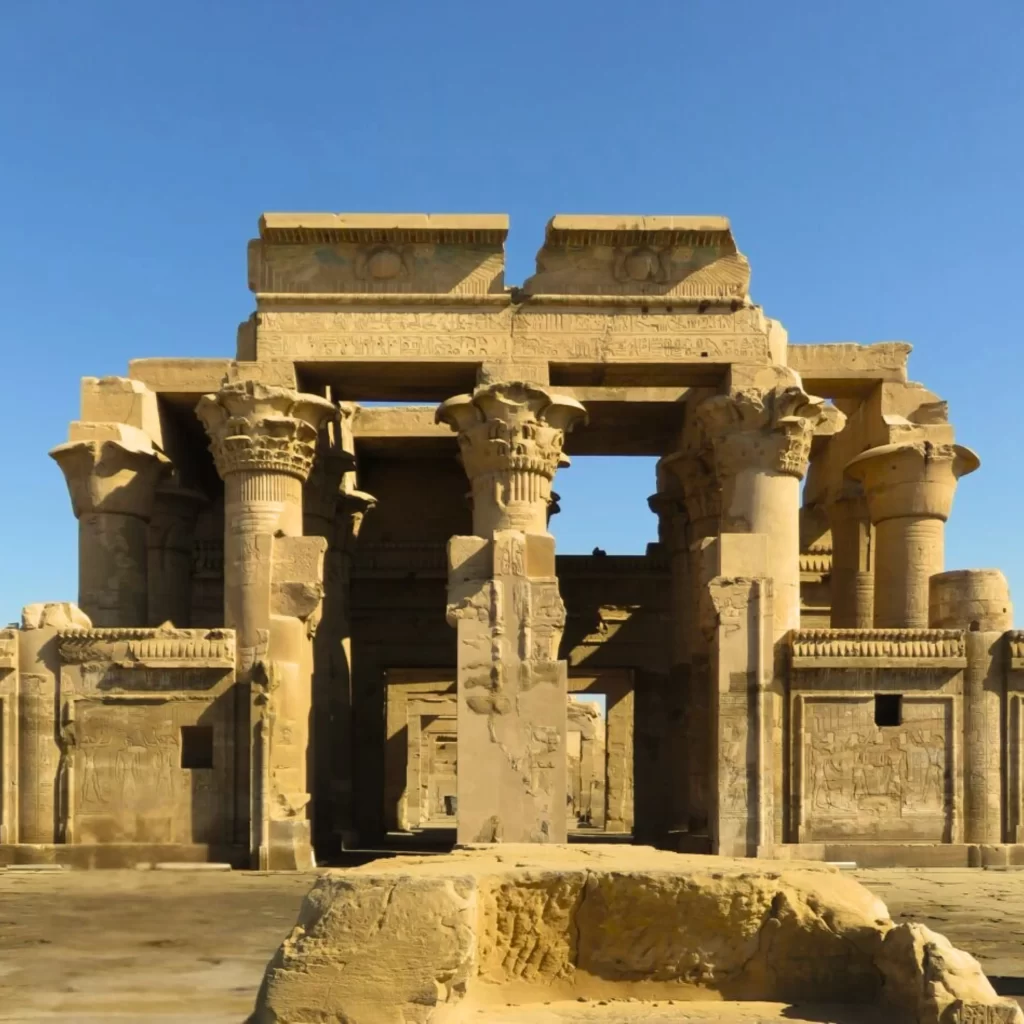
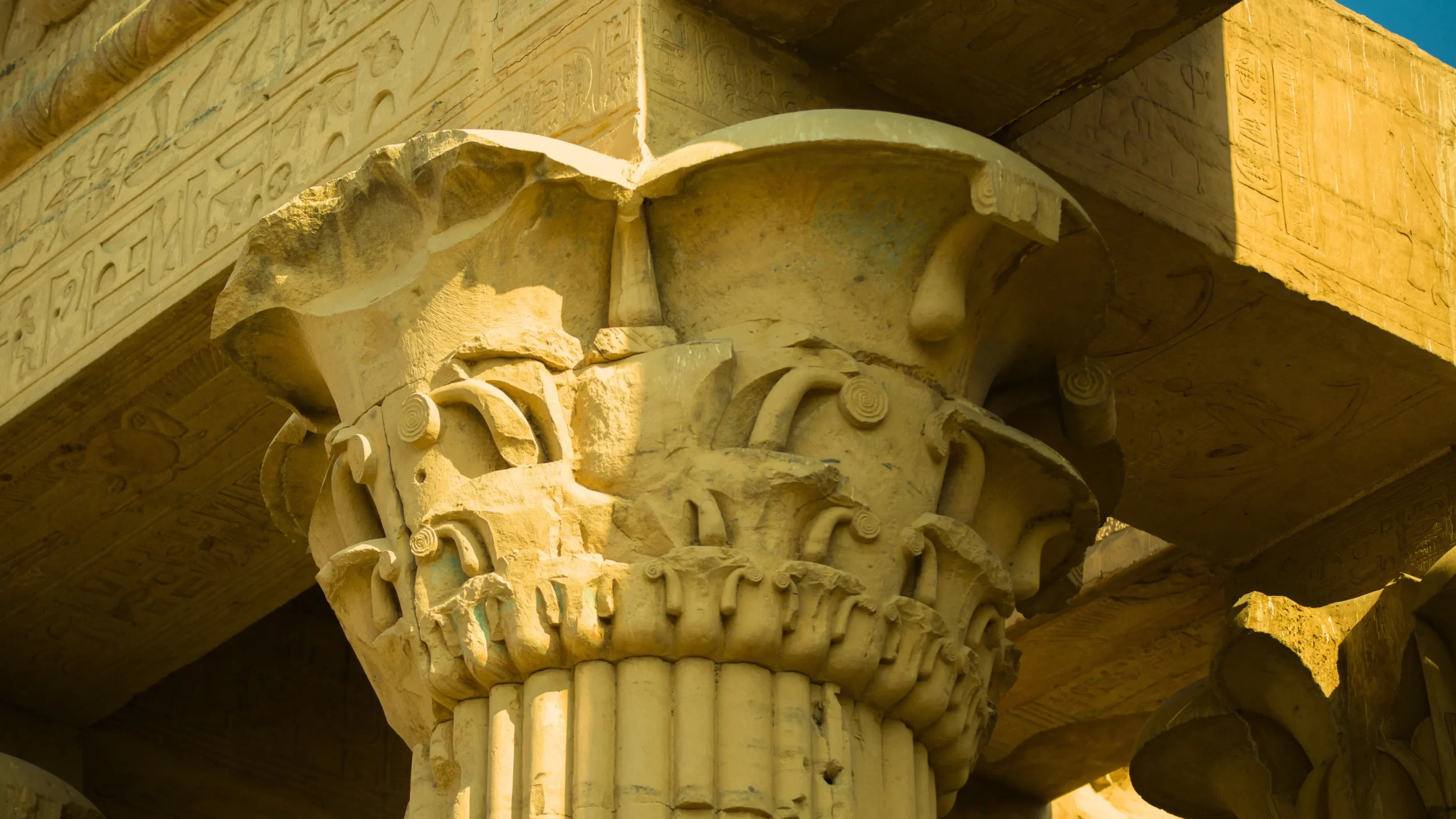
Rising dramatically above a bend in the Nile, Kom Ombo Temple occupies one of the most scenic locations of any ancient Egyptian monument. Its position overlooking the river immediately explains why Sobek, the crocodile god associated with the Nile’s power and fertility, was worshipped here alongside Horus the Elder (Haroeris).
The ancient town of Kom Ombo once served as an important trading center connecting the Nile Valley with Nubia to the south. Merchants, travelers, and officials passed through this strategic location for centuries, contributing to the prosperity of the region.
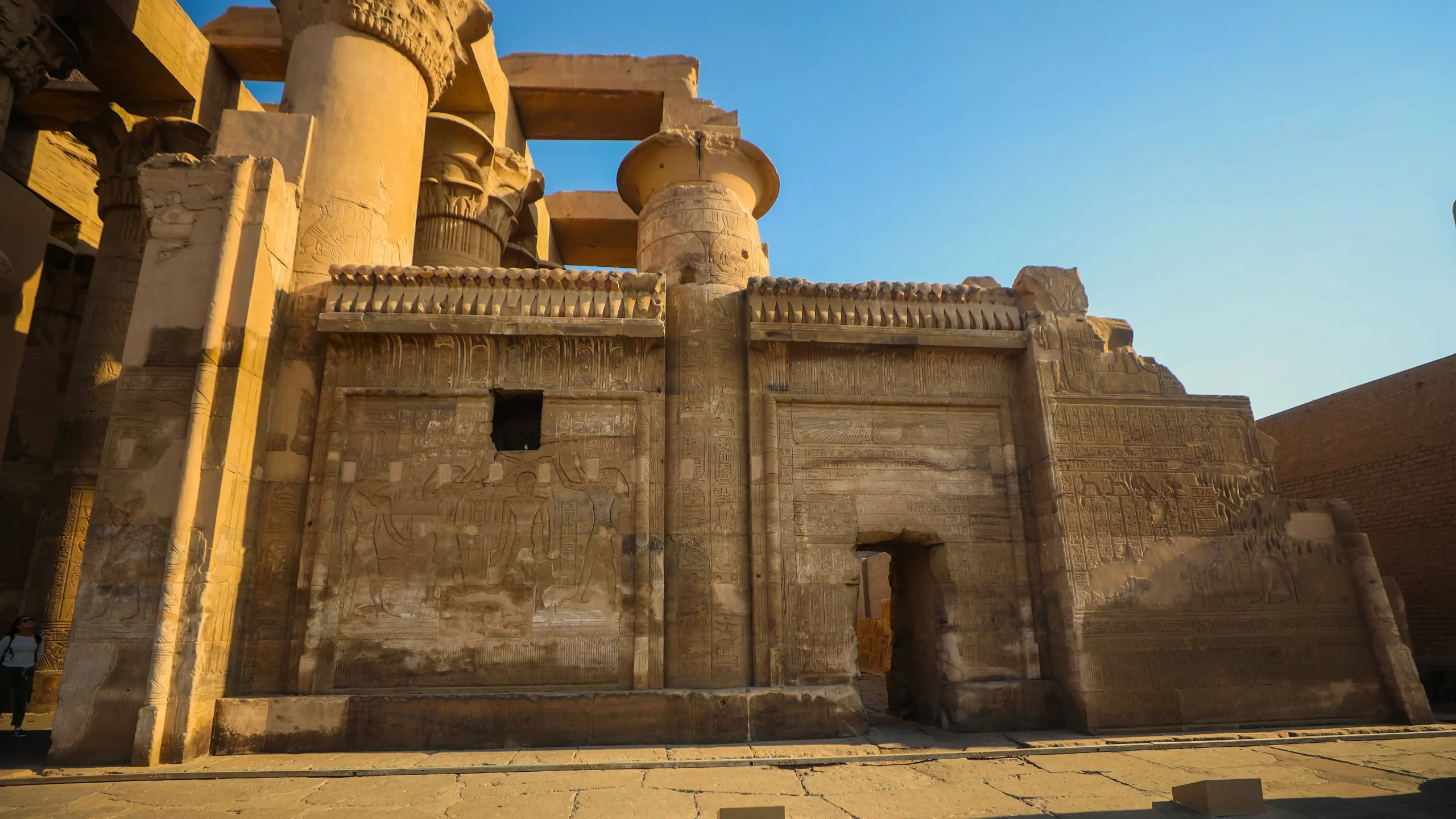
Although much of the ancient settlement remains buried beneath the modern town, the temple itself was excavated and restored during the late nineteenth century. Today, visitors can admire one of the most unusual temples in Egypt: a perfectly symmetrical design that essentially consists of two temples joined together. Every hall, courtyard, and sanctuary is duplicated, reflecting the dual dedication to Sobek and Horus.
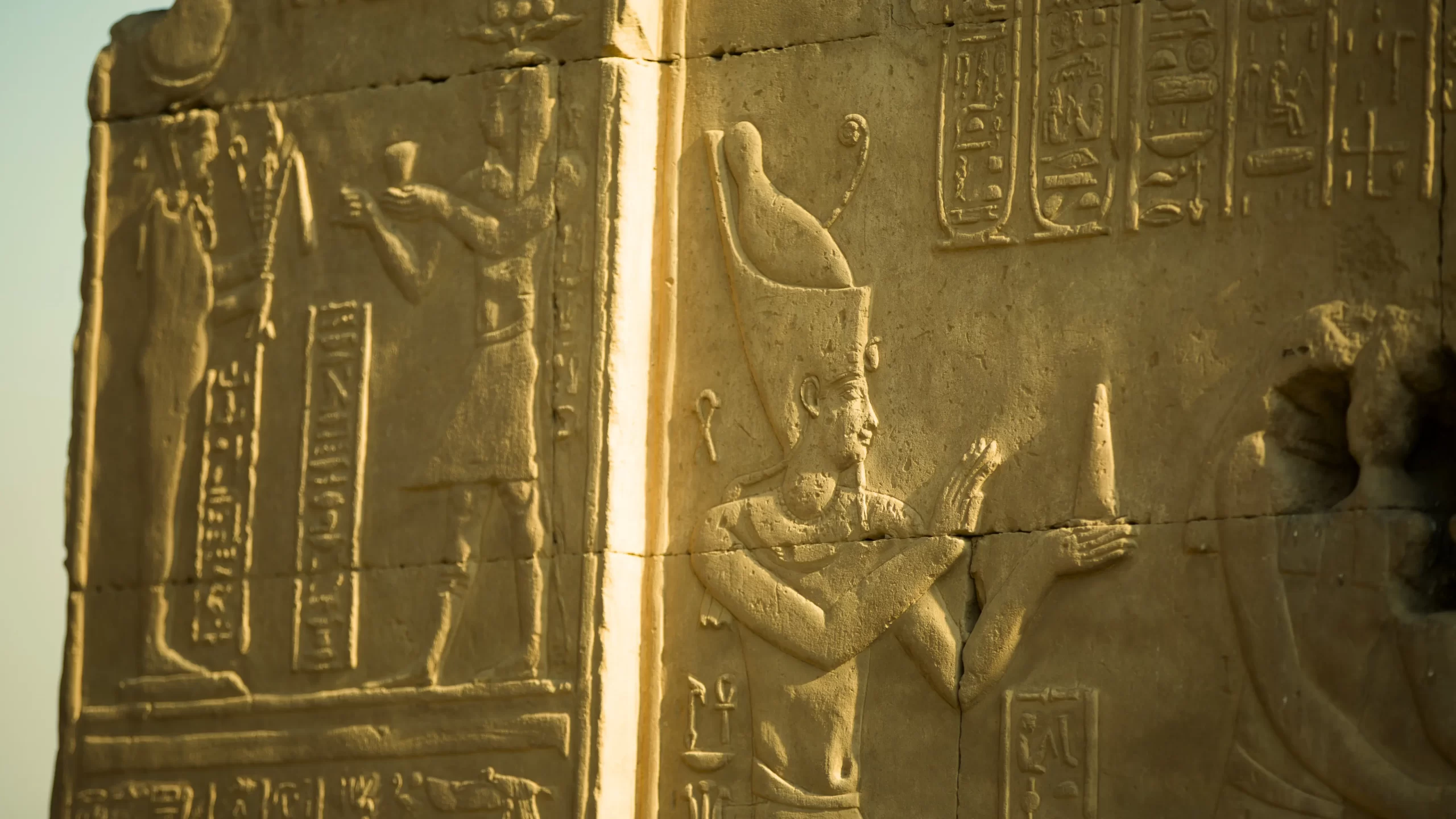
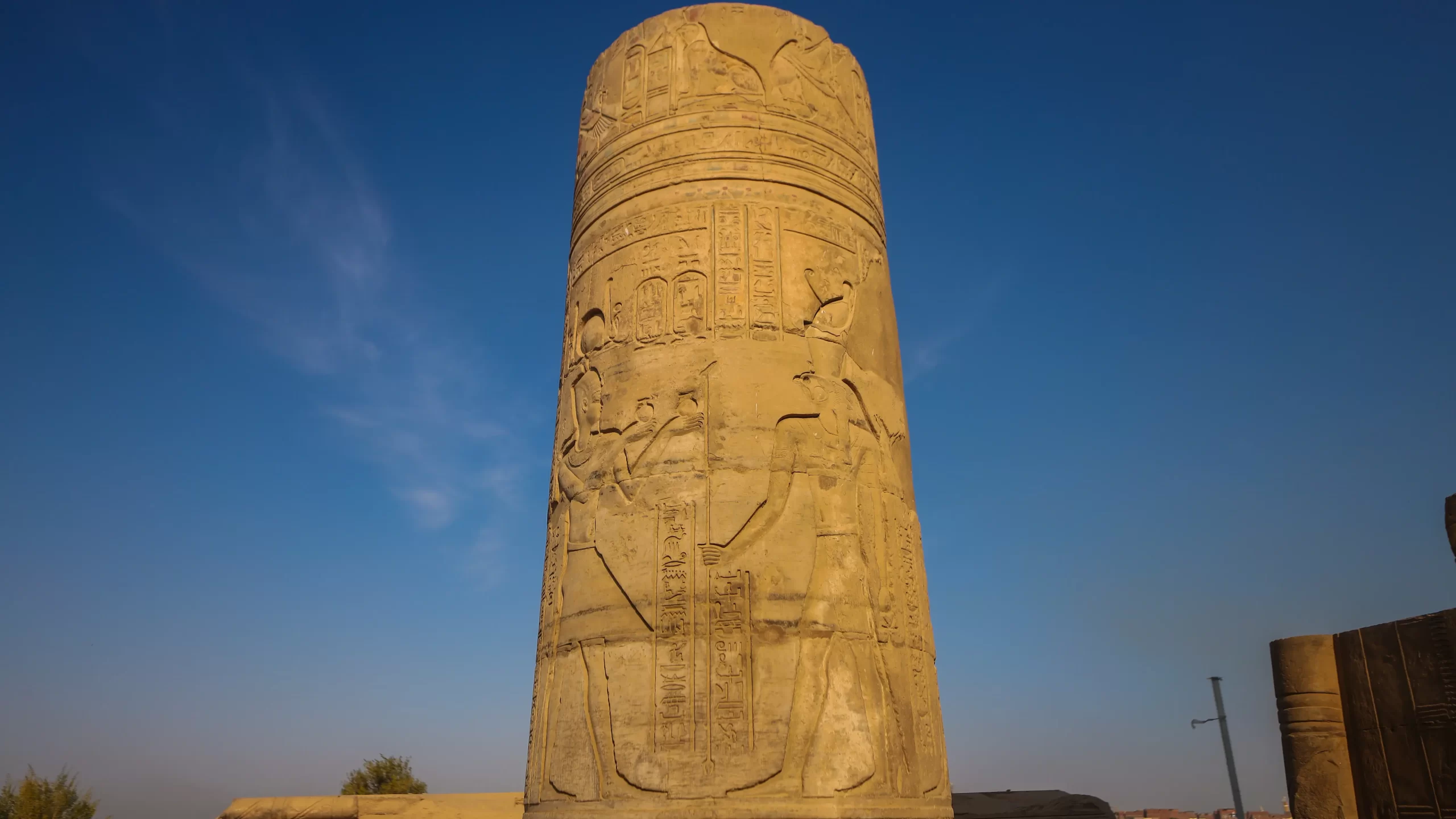
The walls preserve remarkable reliefs depicting religious ceremonies, offerings, royal processions, and scenes of daily life. Among the most famous carvings are representations of surgical instruments, which provide fascinating insight into ancient Egyptian medicine and are often cited as some of the earliest known depictions of medical tools.
A visit to Kom Ombo is often combined with the nearby Crocodile Museum, where visitors can see mummified crocodiles discovered in the area, along with artifacts connected to the worship of Sobek.
Dual Dedication
Unlike any other temple in Egypt, Kom Ombo was dedicated equally to two gods: Sobek, the crocodile god associated with fertility and the Nile, and Horus the Elder, the falcon-headed god of protection and kingship.
Crocodile museum
Located beside the temple, the museum displays numerous mummified crocodiles and artifacts connected to the cult of Sobek, offering insight into one of ancient Egypt's most fascinating religious traditions.
Ancient Medicine
The temple contains famous reliefs showing surgical instruments and medical tools, providing valuable evidence of ancient Egyptian medical knowledge and practices.
“The temple’s unique symmetrical design reflects its dual dedication to Sobek and Horus, making it one of the most architecturally distinctive temples in Egypt.”
— Historical context note for guides
Visitor tips
Visit in the late afternoon when the golden light illuminates the temple's sandstone walls.
Arriving by Dahabiya offers one of the most beautiful approaches to the site, directly from the Nile.
Wear comfortable walking shoes as some areas have uneven stone surfaces.
Bring water and sun protection, especially during warmer months.
The best photographs can be taken from the riverbank and from your boat as you approach the temple.
Visit Information
Hours: 7:00 – 17:00
Entry Fees: Subject to official Ministry of Tourism pricing
Best Time: October – April
Duration: 1–2 Hours Average
Access: Mostly Flat
Sail to Kom Ombo on Your Nile Journey
All our Aswan–Luxor Dahabiya routes include a stop at Kom Ombo. Arriving by river provides the same perspective travelers have enjoyed for centuries, with the temple rising above the Nile’s edge.
Nearby attractions
Edfu Temple
Horus · Best Preserved Temple
65 km north
Philae Temple
Isis · Island Sanctuary
45 km south
Daraw Camel Market
Local Culture · Traditional Trade
15 km south
Gebel el-Silsila
Ancient Quarries · Rock-Cut Shrines