

Home › Destinations › Luxor Region ›Esna
Temple · Heritage Town · Upper Egypt
Esna
A charming Nile town famous for the Temple of Khnum, Ottoman-era architecture, traditional markets, and its important role in Dahabiya sailing routes.
Approx. 2,000
Years old
About this attraction
Located approximately 60 km (37 miles) south of Luxor, Esna is a historic town on the west bank of the Nile that has become one of Upper Egypt’s most rewarding cultural destinations. While often overlooked by travelers, recent restoration projects have revealed a remarkable blend of ancient Egyptian, Greco-Roman, Ottoman, and 19th-century heritage.
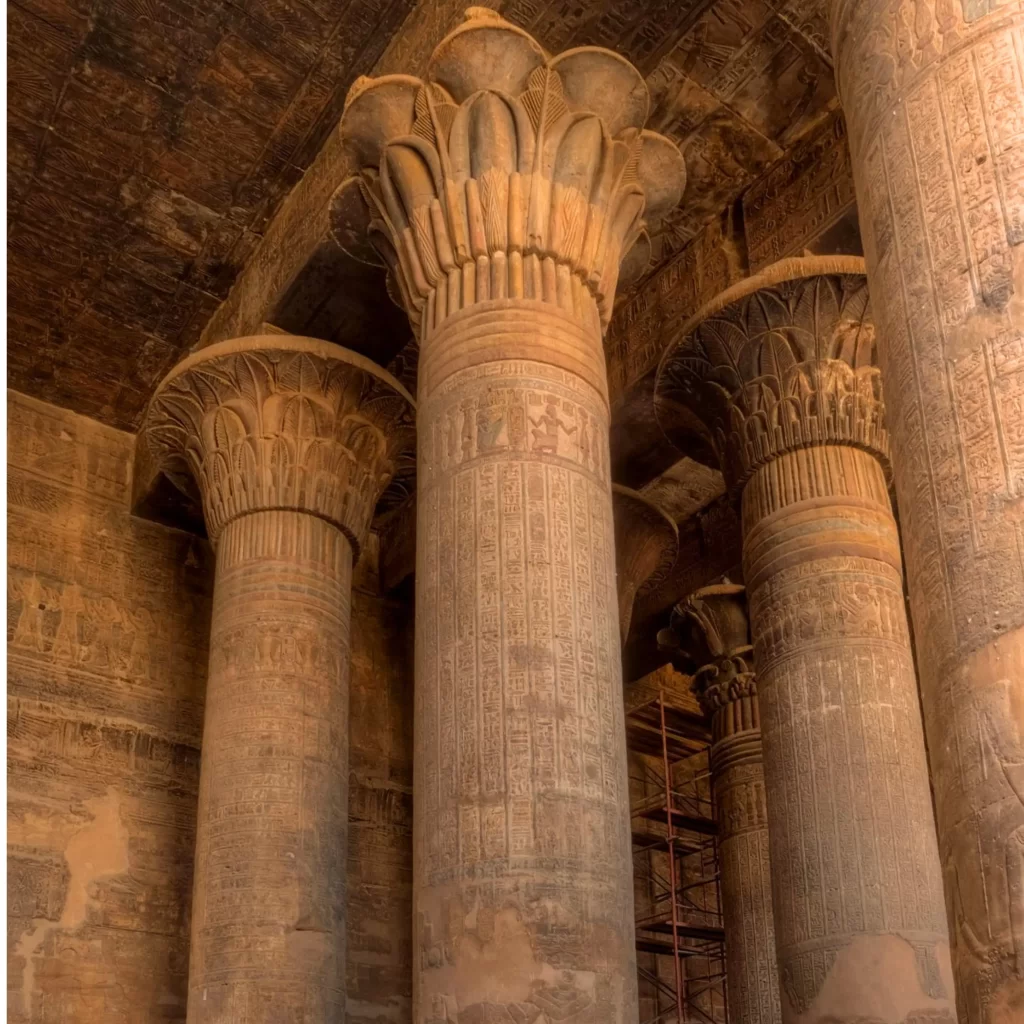
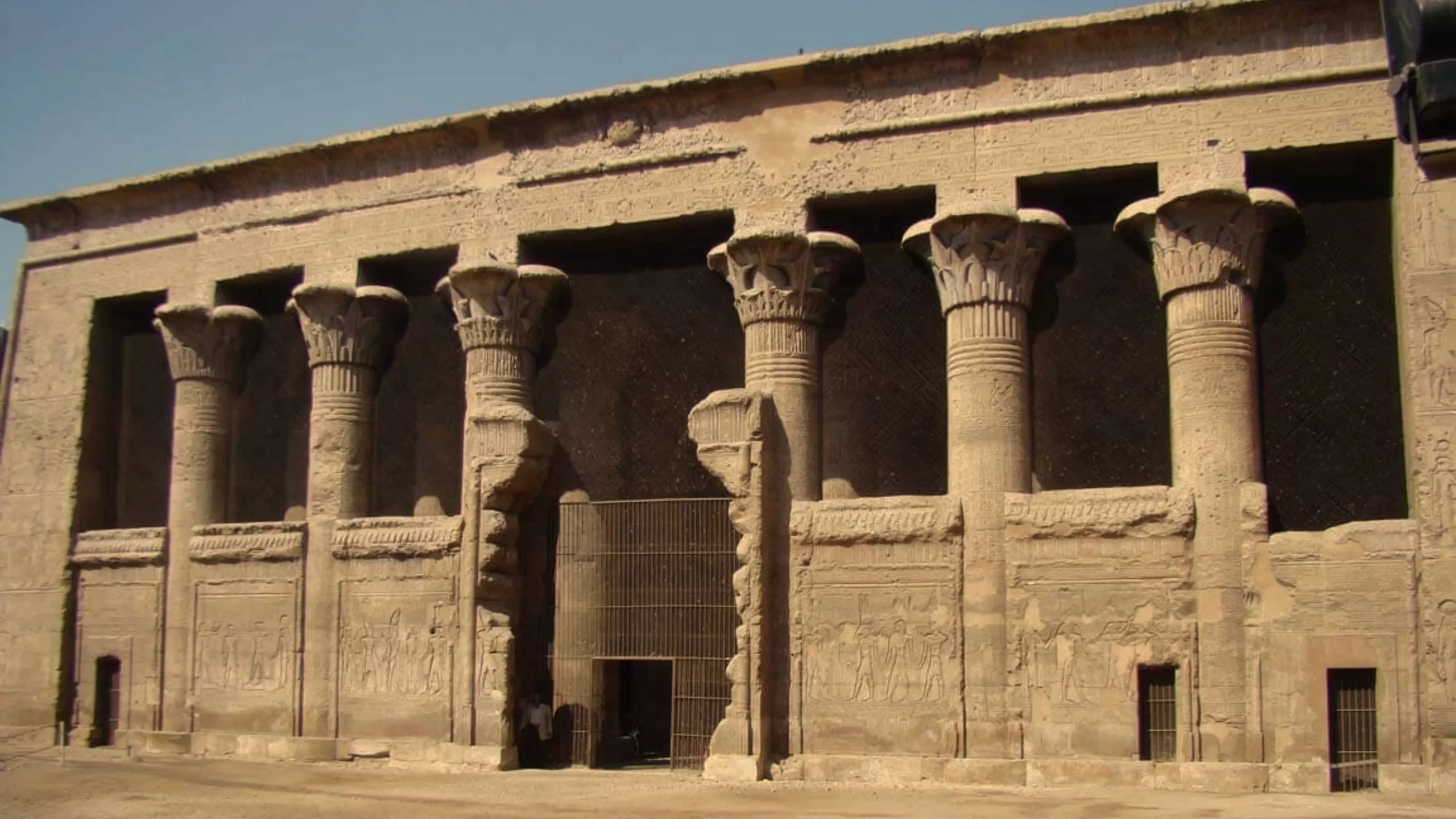
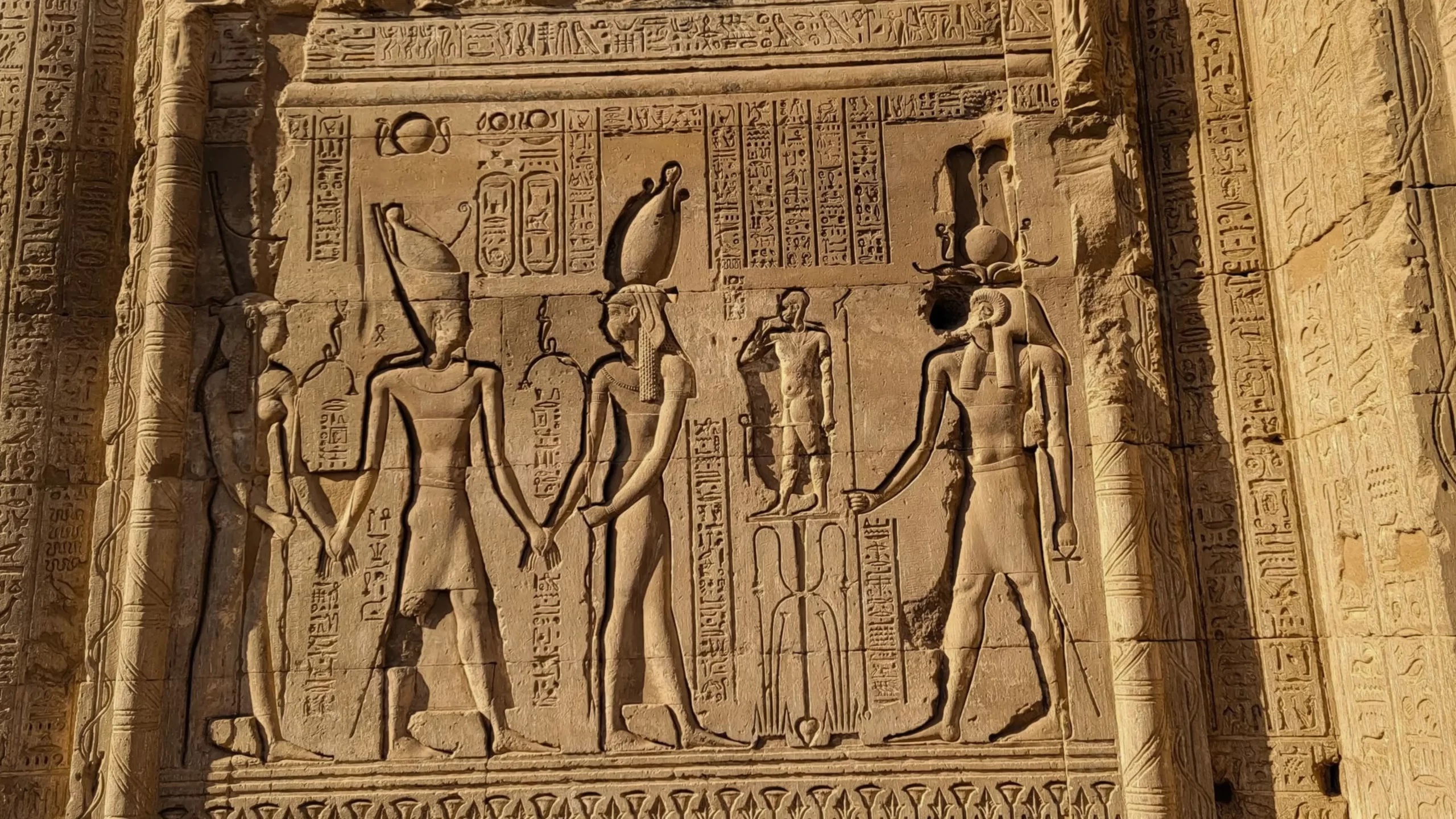
The town’s most famous monument is the Temple of Khnum, dedicated to the ram-headed creator god Khnum, who was believed to control the waters of the Nile and create humans from clay. The current temple dates mainly to the Roman period, particularly the reign of Emperor Claudius (AD 41–54), although earlier temples existed on the site, including one built during the reign of Tuthmosis III.
One of the temple’s most striking features is its location approximately 10 meters (33 feet) below modern street level. Over centuries, Nile flood deposits gradually buried the ancient structure, and the modern town developed above it. Today, visitors descend into the temple, gaining a rare sense of what early archaeologists experienced when excavating Egypt’s buried monuments.
Ancient Esna was known to the Greeks as Latopolis, named after the Nile perch (Lates niloticus), a sacred fish worshiped in the region. Thousands of mummified Nile perch dating to the Greco-Roman period were discovered here in the early twentieth century, highlighting the town’s unique religious traditions.
Beyond the temple, Esna offers visitors a beautifully restored historic center. The Wekalet Al-Geddawi, a caravanserai built in 1792, once served as a warehouse and lodging house for merchants traveling through Upper Egypt. Nearby, the restored Al-Qissariya Market showcases traditional crafts, local commerce, and the architectural character of Ottoman-era Egypt. Visitors can also explore beautifully preserved 19th-century houses and artisan workshops that reflect Esna’s long trading heritage.
For Dahabiya travelers, Esna is particularly important because it sits beside the Esna Barrage and Lock system. Most Dahabiya cruises begin or end in Esna, allowing vessels to avoid passing through the locks and providing a more peaceful and authentic sailing experience along the Nile.
Temple of Khnum
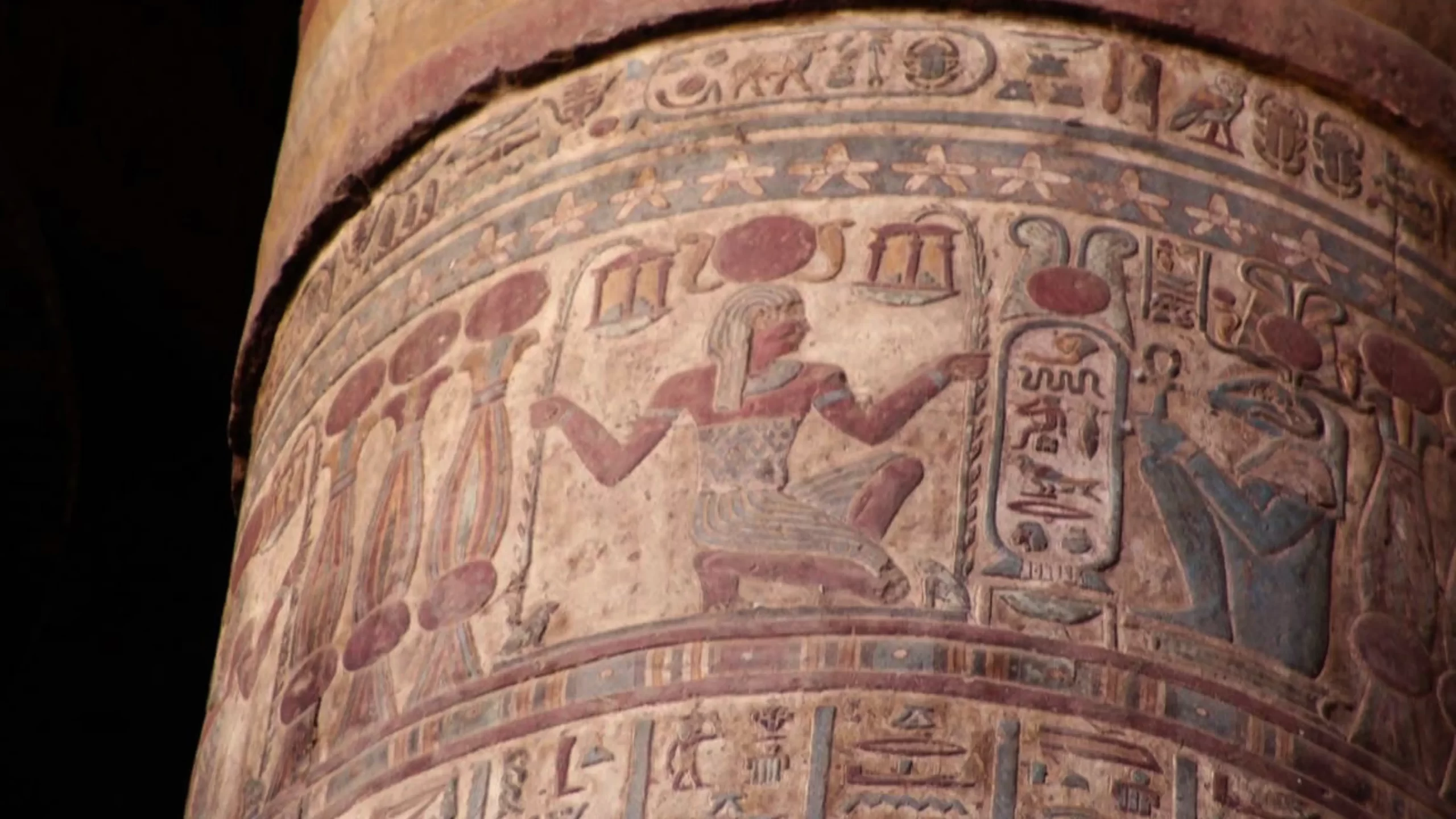
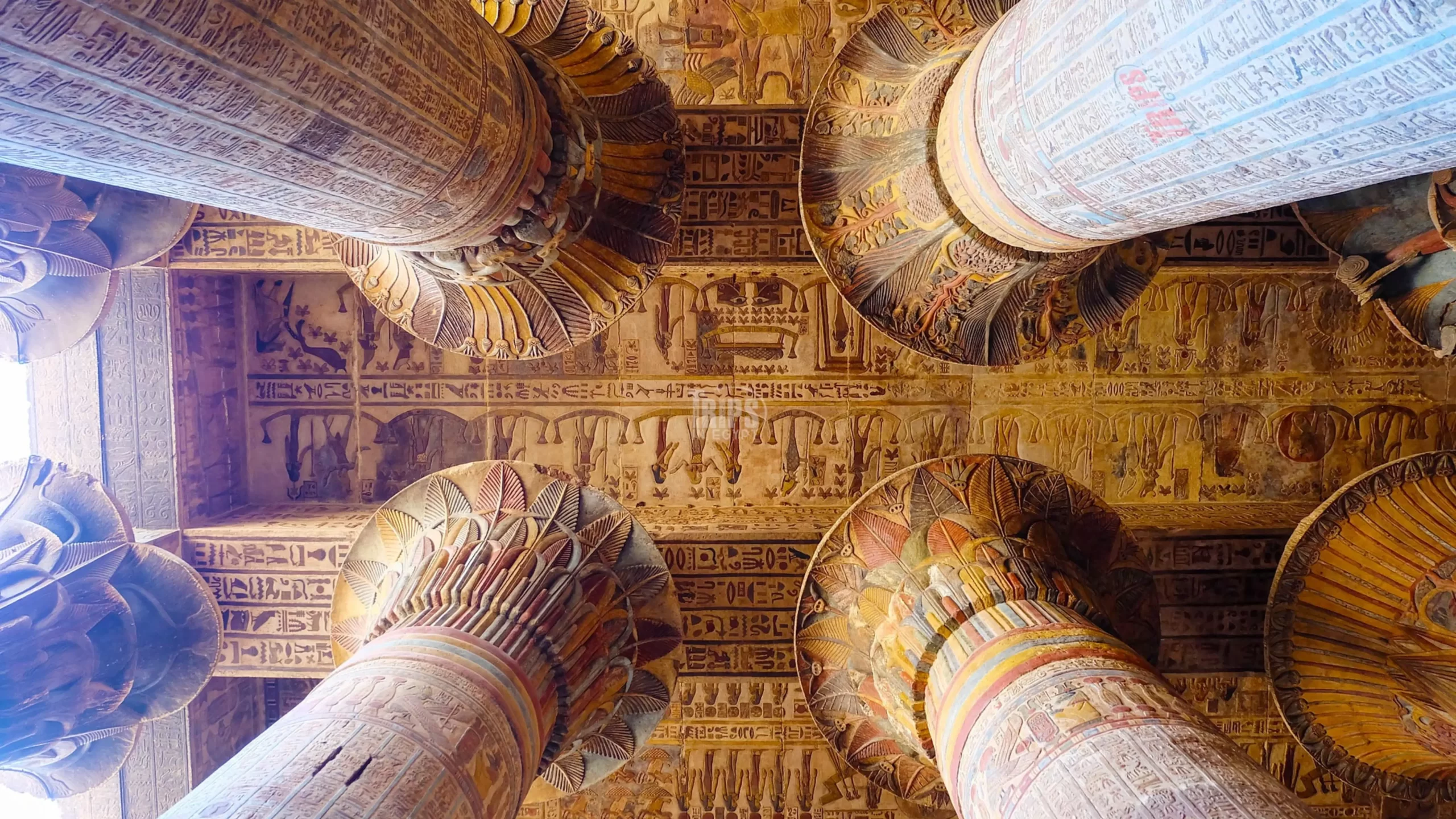
One of Egypt's finest Greco-Roman temples, dedicated to the ram-headed creator god Khnum and famous for its beautifully preserved astronomical ceiling and detailed inscriptions.
Wekalet Al-Geddawi
An 18th-century merchant caravanserai restored and reopened to visitors, offering insight into Esna's historic role as a trading center.
Historic Esna
Explore charming streets featuring restored 19th-century houses, decorative facades, and examples of traditional Upper Egyptian architecture.
“The Temple of Khnum offers a rare glimpse into Egypt’s layered history. Built upon the site of earlier pharaonic sanctuaries and expanded during the Roman era, it demonstrates how successive rulers adopted and supported traditional Egyptian beliefs. Buried for centuries beneath Nile silt and the growing town above, the temple remained hidden until excavations in the 19th century revealed one of Upper Egypt’s most beautifully preserved ancient monuments.”
— Historical context note for guides
Visitor tips
Visit early morning or late afternoon for cooler temperatures and softer light.
Allow time to explore both the temple and the restored historic market district.
Bring a camera—the contrast between the sunken temple and the modern town above creates unique photo opportunities.
Comfortable walking shoes are recommended for exploring the market streets and heritage areas.
If arriving by Dahabiya, enjoy the approach to Esna from the Nile for excellent views of the town and surrounding countryside.
Visit Information
Hours: 6:00 – 17:00
Entry Fees: Subject to official Ministry of Tourism pricing
Best Time: October – April
Duration: 1–3 Hours
Access: Mostly Flat
Discover Esna on Your Nile Journey
Most of our Dahabiya routes begin or pass through Esna, allowing travelers to explore one of Upper Egypt’s most authentic historic towns before sailing through the Nile’s most beautiful landscapes.
Nearby attractions
Edfu Temple
Temple of Horus · Best Preserved Temple
55 km south
Luxor Temple
Ancient Thebes · UNESCO Site
60 km north
Gebel El-Silsila
Ancient Quarries & Rock Chapels
40 km south
El Kab
Ancient City & Tombs