

Home › Destinations › Aswan region › Kalabsha Temple
Temple Complex · Nubian Lake
Kalabsha Temple
One of Nubia’s largest surviving temples, dedicated to the solar god Mandulis and relocated to save it from the rising waters of Lake Nasser.
Approx. 2,000
Years old
About this attraction
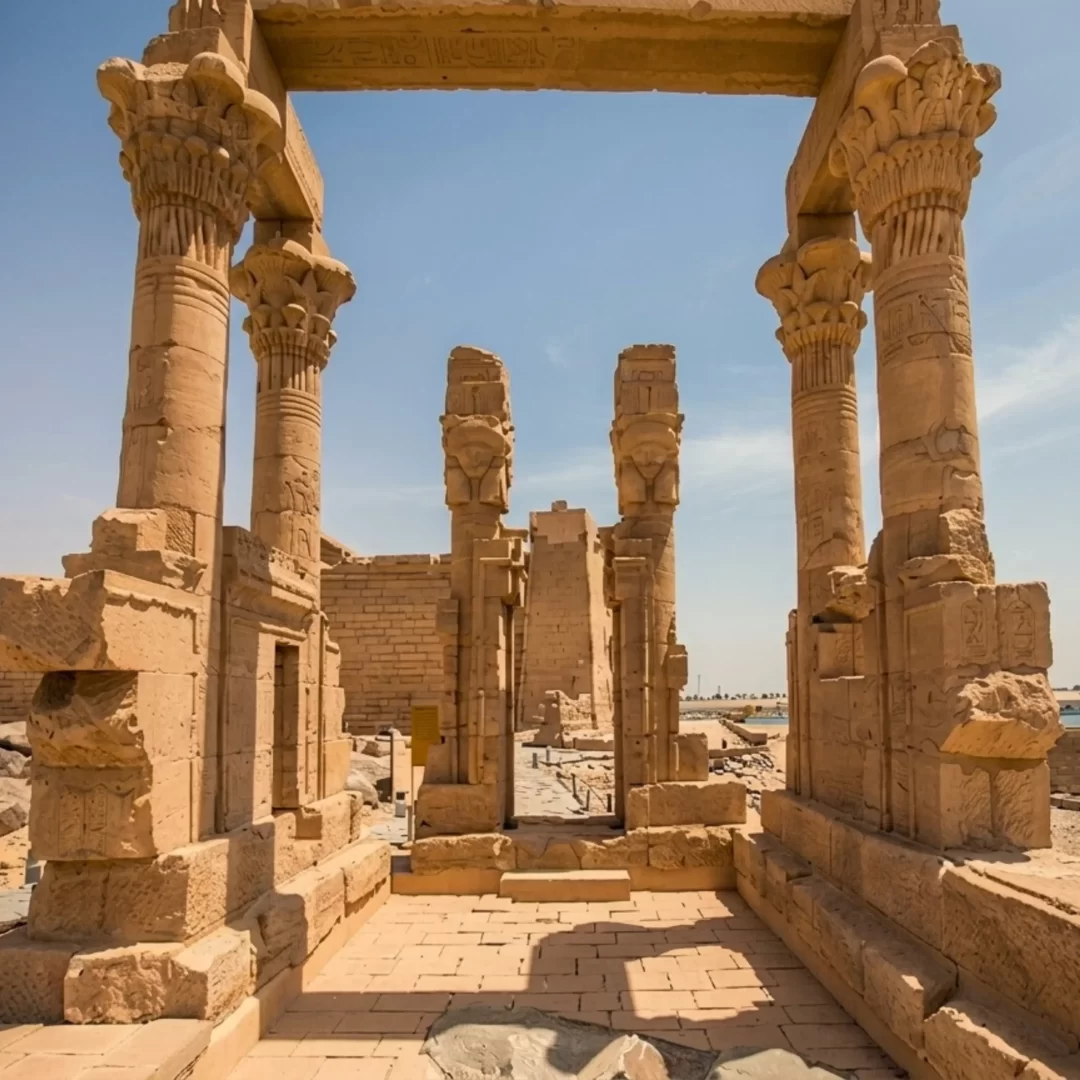
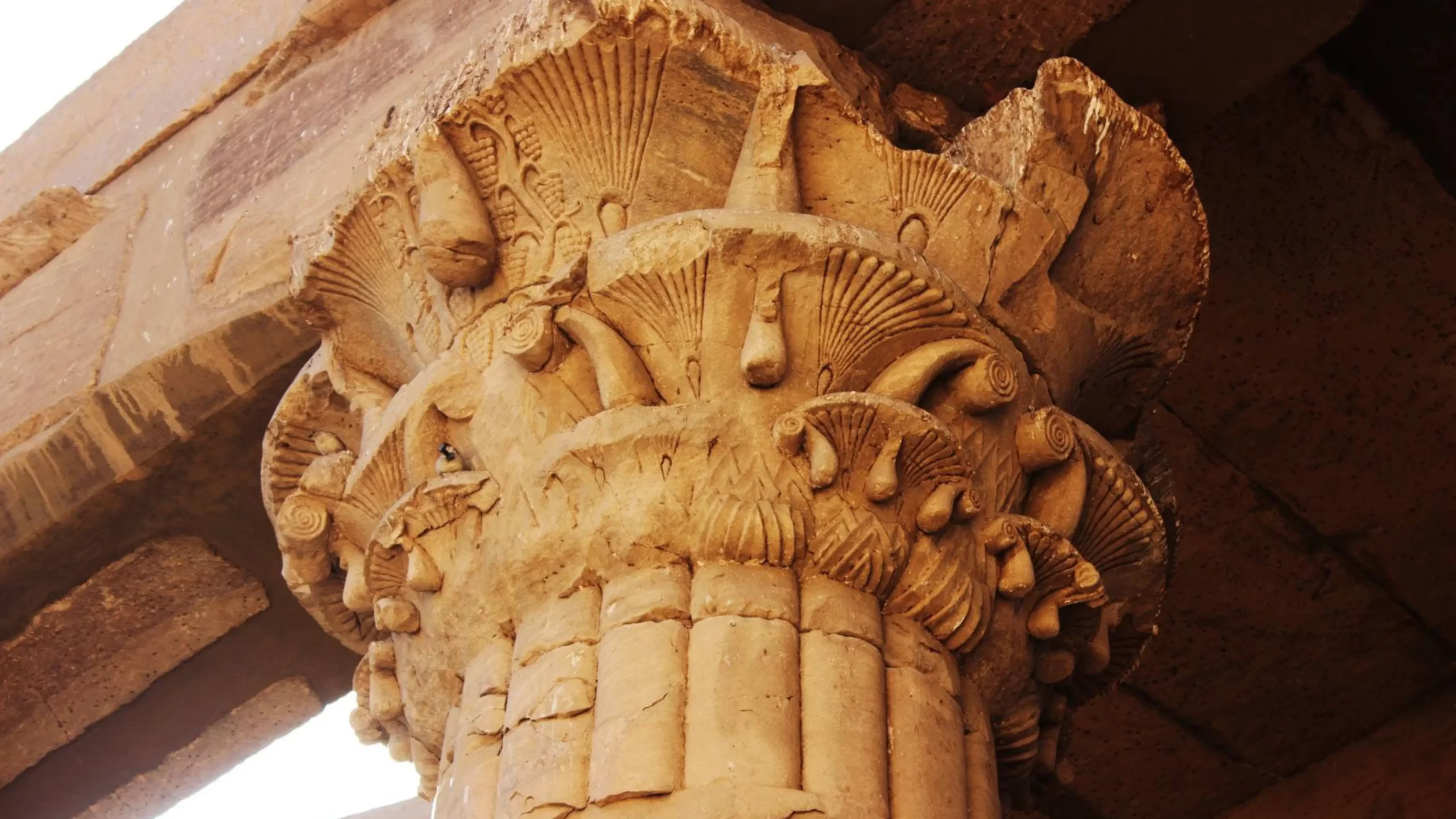
Kalabsha Temple is one of the most impressive yet least-visited archaeological sites in the Aswan region. Unlike the more famous Philae Temple, Kalabsha offers a quieter and more intimate experience, surrounded by the tranquil waters of Lake Nasser.
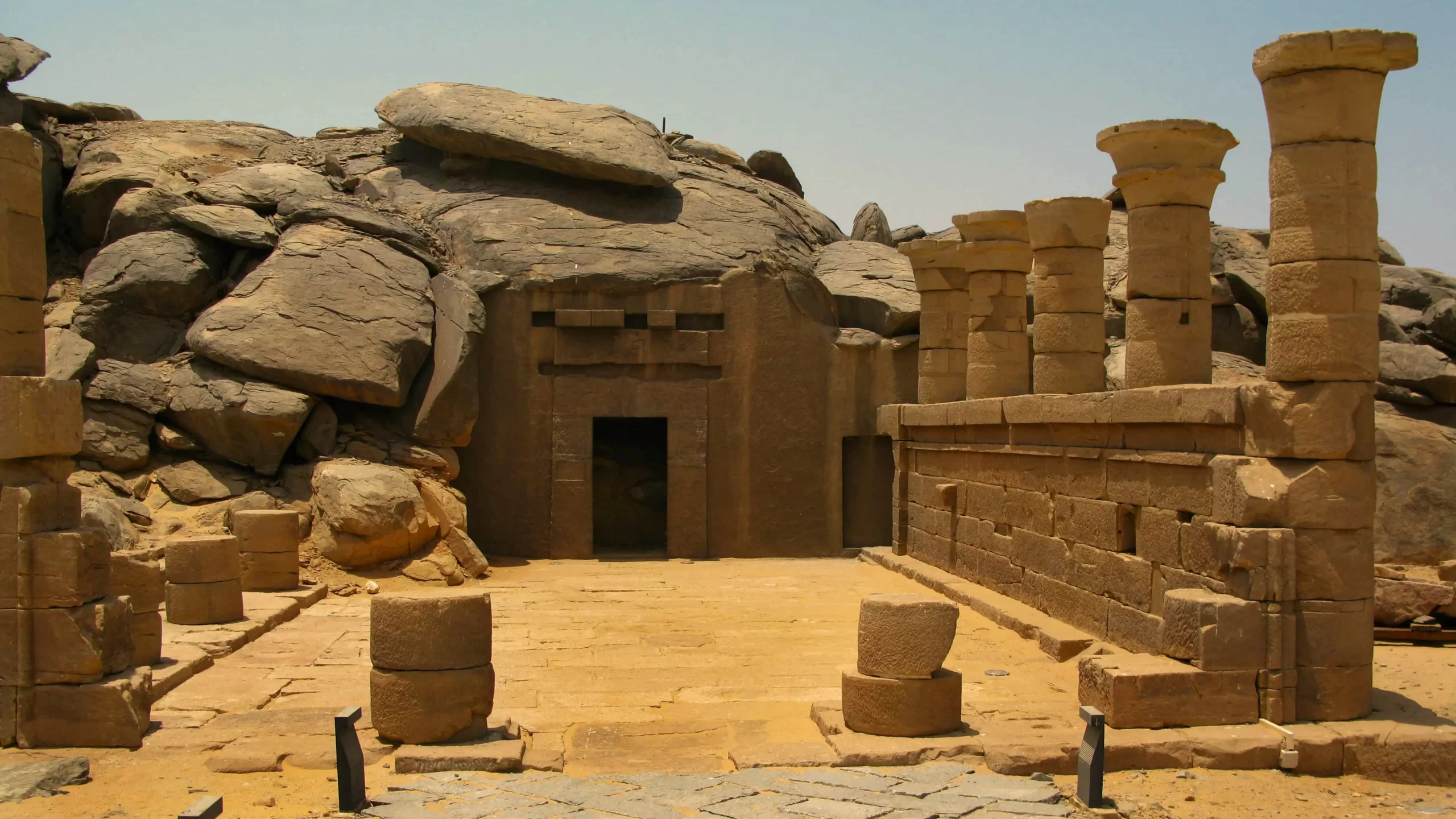
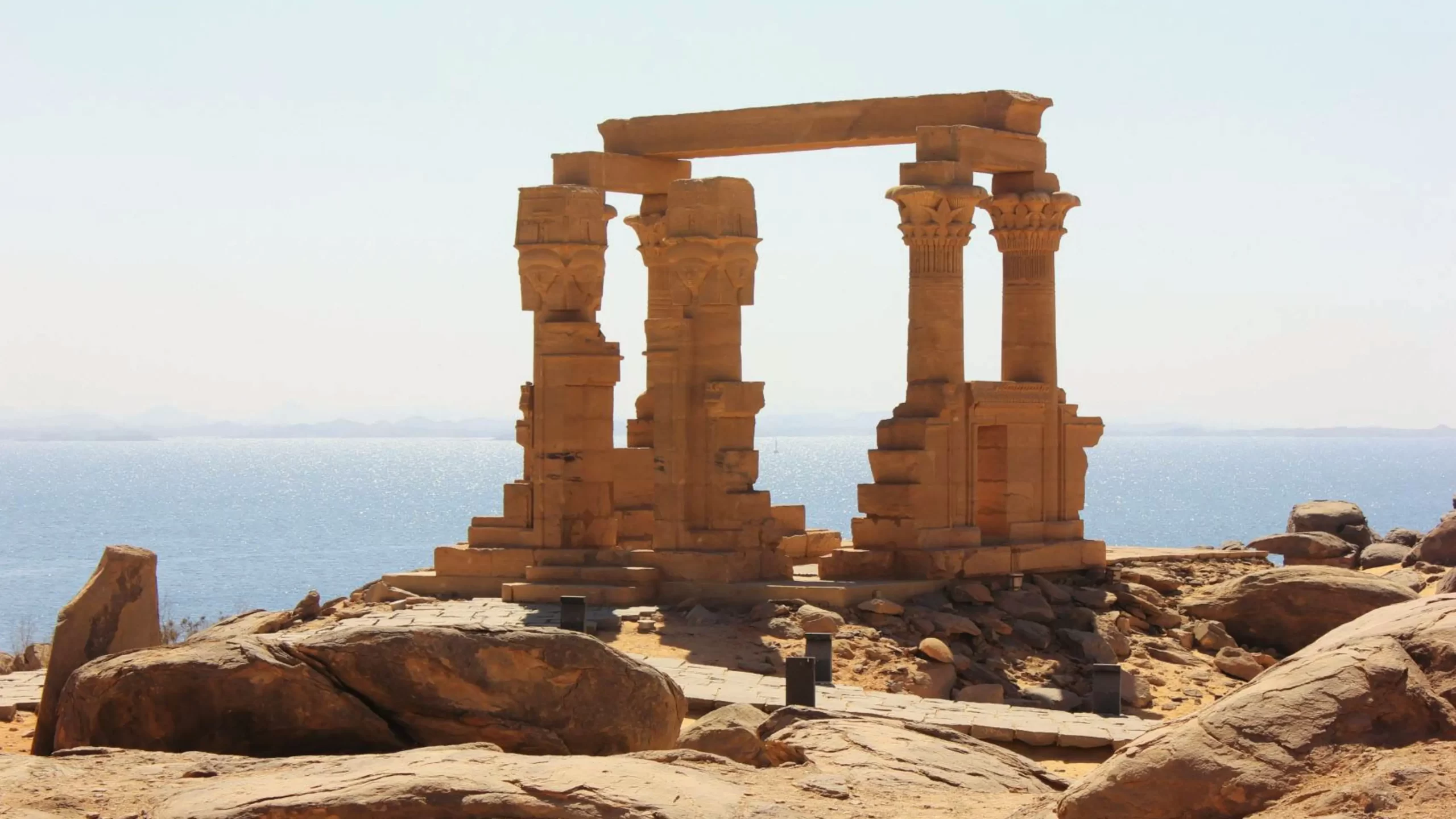
The temple originally stood at Bab al-Kalabsha (“Gate of Kalabsha”), on the west bank of the Nile approximately 55 kilometers south of Aswan. During the construction of the Aswan High Dam in the 1960s, the site was threatened by flooding. As part of the UNESCO Nubian Monuments Rescue Campaign, the temple was carefully dismantled and reconstructed near its current location on a small island close to the shores of Lake Nasser.
Visitors reach the temple by a short boat ride, adding to the sense of discovery and adventure.
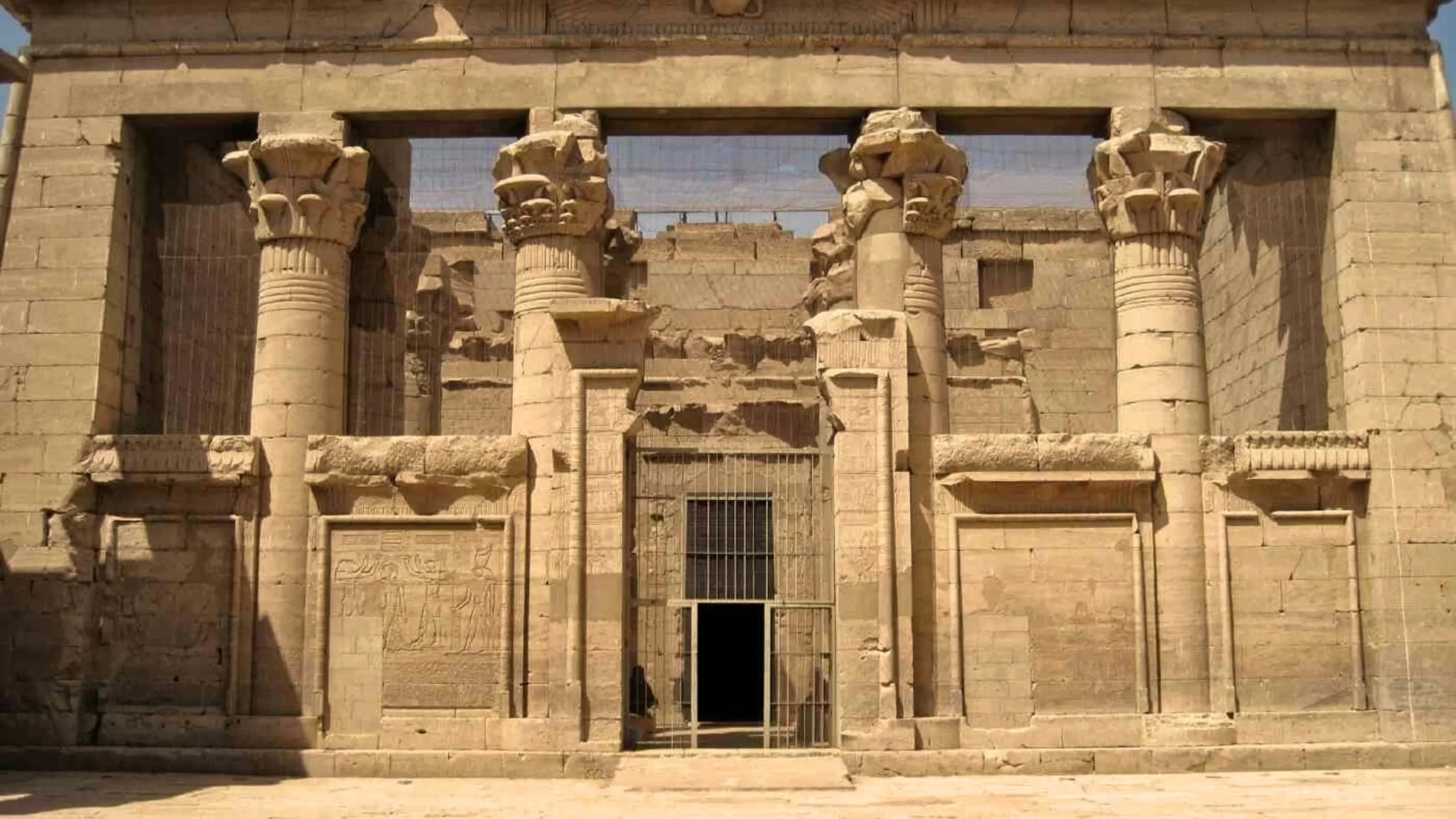
The main temple was largely constructed during the reign of the Roman Emperor Augustus around 30 BC and is dedicated to Mandulis, a Nubian solar deity worshipped throughout Lower Nubia. Despite its Roman date, the architecture follows traditional Egyptian temple design, reflecting the blending of Roman administration with ancient Egyptian religious traditions.
The temple preserves numerous reliefs in excellent condition, depicting emperors making offerings to Egyptian and Nubian gods. It also contains a rare Nilometer dating to the reign of Ptolemy IX, used to measure the Nile’s water levels.
In 1979, Kalabsha Temple was inscribed on the UNESCO World Heritage List alongside other Nubian monuments, including Abu Simbel, Amada, Philae, and Wadi es-Sebua.
Temple of Mandulis
Dedicated to the Nubian solar god Mandulis, whose cult was particularly important in Lower Nubia during the Greco-Roman period.
Ancient Nilometer
A rare surviving Nilometer used to monitor the Nile's annual flood levels and assist in agricultural planning.
UNESCO Rescue Project
One of the largest monuments relocated during the international campaign to save Nubia's archaeological treasures from the waters of Lake Nasser.
“Kalabsha is a remarkable example of how Egyptian, Nubian, and Roman traditions merged into a single architectural masterpiece. Its relocation remains one of the greatest archaeological rescue operations of the twentieth century.”
— Historical context note for guides
Visitor tips
The boat ride to the island is part of the experience, so allow extra time for transportation.
Visit early in the morning or late afternoon for cooler temperatures and softer light.
Bring water and sun protection, especially during the summer months.
Combine your visit with the High Dam and Philae Temple for a full day exploring Aswan's rescued monuments.
Photography is excellent here thanks to the combination of temple architecture and Lake Nasser views.
Visit Information
Hours: 8:00 – 17:00
Entry Fees: Subject to official Ministry of Tourism pricing
Best Time: October – April
Duration: 1–2 Hours
Access: Short Boat Ride Required
Discover Nubia Beyond Aswan
Explore one of Egypt’s hidden archaeological treasures and experience a temple that tells the story of Nubia, Roman Egypt, and one of the world’s greatest heritage rescue projects.
Nearby attractions
Philae Temple
Temple of Isis · Island Sanctuary
15 km
Aswan High Dam
Modern Engineering Landmark
10 km
Unfinished Obelisk
Ancient Quarry Site
12 km
Nubian Museum
Nubian Culture